





Common Sense Media Review
 By Emily Ashby
,
based on child development research. How do we rate?
By Emily Ashby
,
based on child development research. How do we rate?
Rape and abuse in thought-provoking historical family drama.
Parents Need to Know
Why Age 11+?
Any Positive Content?
Where to Watch
Videos and Photos


Little House on the Prairie
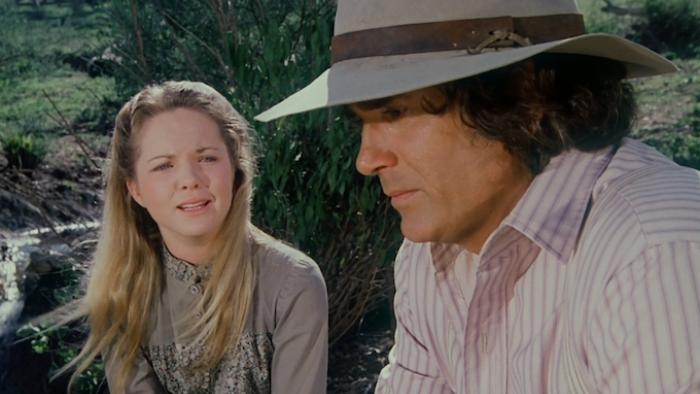
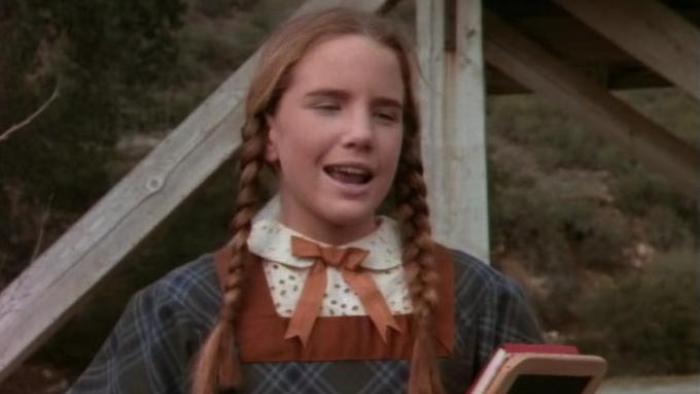
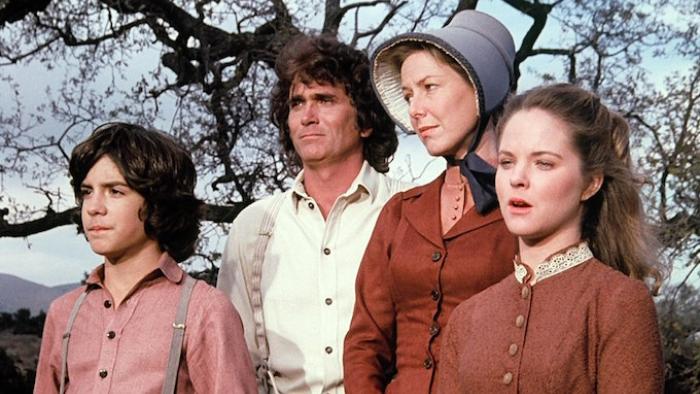
Parent and Kid Reviews
Based on 23 parent reviews
Parents say the show is a beloved classic that imparts valuable life lessons and wholesome family values, especially in its earlier seasons. However, later episodes introduce heavier and sometimes inappropriate themes, including elements of violence, difficult emotional situations, and outdated racial stereotypes, making it essential for parents to screen episodes beforehand.
- wholesome values
- inappropriate themes
- emotional situations
- outdated content
- family-friendly
 Summarized with AI
 Summarized with AI
Based on 42 kid reviews
Kids say this classic TV show has a mix of wholesome moments and serious themes, making it more suitable for older children and teens rather than young kids. While many enjoy the heartfelt stories and moral lessons, several episodes tackle heavy subjects like violence, substance abuse, and even sexual assault, prompting viewers to screen some content before letting younger audiences watch.
- wholesome moments
- serious themes
- adult content
- viewer discretion
- moral lessons
Summarized with AI
What's the Story?
LITTLE HOUSE ON THE PRAIRIE is set in the late 19th century and centers on the Ingalls family, who live in the growing pioneer town of Walnut Grove, Minnesota. Hardworking farmer Charles Ingalls (Michael Landon) and his wife, Caroline (Karen Grassle), rely on their devotion to each other and their family to see them through the daily trials of early settlement life. Cooperation and generosity are essential to everyone's survival in such a small, isolated town. Together the residents endure harsh weather, plagues, and droughts that threaten their livelihood.
Is It Any Good?
This series is an ageless TV classic that ought to be on every family's watch list. Based on Laura Ingalls Wilder's autobiographical books, Little House on the Prairie originally ran on NBC from 1974 to 1983. Thanks to syndication, DVDs, and video on demand, it continues to provide quality family entertainment. On sheer entertainment value, the show sets the standard with rich characters, intuitive acting, and interesting storylines. But its truest merit lies in making historical television so enriching and entertaining to watch.
Talk to Your Kids About ...
Families can talk about American settlers like the characters in Little House on the Prairie. What challenges did they face? Could you have persevered the way they did? How were their lives different from ours today? How were they the same?
Families also can compare the series to Laura Ingalls Wilder's original books: What do the books and the show have in common? How are they different?
How do the characters on Little House on the Prairie demonstrate empathy, humility, and self-control? Why are those important character strengths?
TV Details
- Premiere date : September 11, 1974
- Cast : Karen Grassle , Melissa Gilbert , Michael Landon
- Networks : Hallmark Channel , Syndicated
- Genre : Drama
- Topics : Adventures , Animals ( Dogs , Farm Animals , Horses , Wild Animals ) , Book Characters , Family Stories ( Dads , Grandparents , Moms , Siblings ) , Friendship , History , School ( Elementary School , High School , Middle School )
- Character Strengths : Empathy , Humility , Self-control
- TV rating :
- Awards : Emmy - Emmy Award Winner , Emmy - Emmy Award Nominee , Golden Globe - Golden Globe Award Nominee
- Last updated : April 12, 2026
Did we miss something on diversity?
Research shows a connection between kids' healthy self-esteem and positive portrayals in media. That's why we've added a new "Diverse Representations" section to our reviews that will be rolling out on an ongoing basis. You can help us help kids by
Suggest an Update
Common Sense Media's unbiased ratings are created by expert reviewers and aren't influenced by the product's creators or by any of our funders, affiliates, or partners.
See how we rate