





Common Sense Media Review
Stereotypes and violence mar Disney adventure stalwart.
Parents Need to Know
Why Age 7+?
Any Positive Content?
Where to Watch
Videos and Photos


Peter Pan
Parent and Kid Reviews
Based on 51 parent reviews
Parents say that while the film provides an imaginative and adventurous experience, it also contains significant issues with outdated cultural portrayals, including racism and sexism, which may not be suitable for younger viewers. Many reviews highlight the need for parental discussions about its themes, suggesting that the adventurous spirit and musical charm can be overshadowed by the problematic representations, which could negatively influence children's perceptions of gender and ethnicity.
- imagination theme
- outdated stereotypes
- parental guidance needed
- poor role models
- mixed reception
- cultural sensitivity issues
 Summarized with AI
 Summarized with AI
Based on 53 kid reviews
Kids say this movie is a classic with charming visuals and memorable characters, yet many reviewers highlight its troubling themes of racism and sexism, particularly in the depictions of Native Americans and female characters. While some love the nostalgic experience and humor, a significant number express concern about the outdated stereotypes and recommend discussing these issues with children before viewing.
- racism issues
- sexism concerns
- charming visuals
- nostalgic experience
- discuss with children
Summarized with AI
What's the Story?
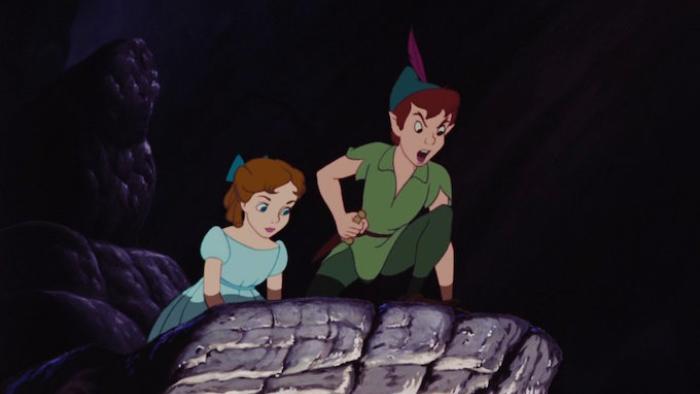
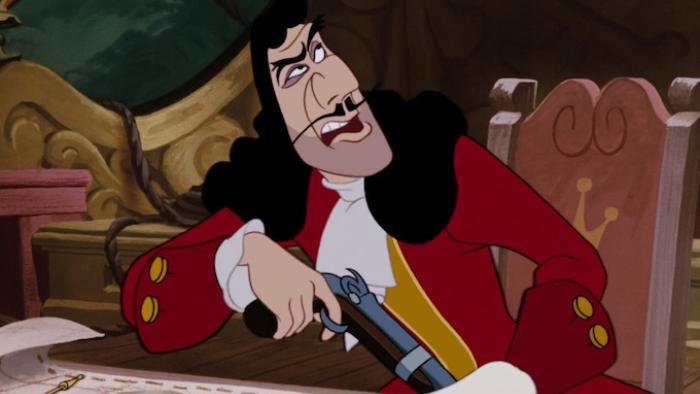
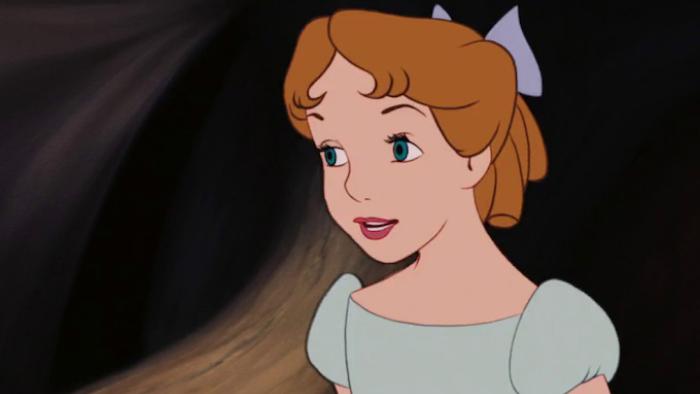
In PETER PAN, three London siblings—Wendy (voiced by Kathryn Beaumont), Michael (Tommy Luske), and John Darling (Paul Collins)—meet Peter Pan (Bobby Driscoll), a hero from their bedtime stories who flies in through their nursery window. He sprinkles them with fairy dust, and they set off to a magical place called Neverland. There, they meet Peter's friends, the Lost Boys, and go off on adventures. They must dodge danger from a Native American tribe and escape the clutches of the cruel Captain Hook (Hans Conried) and his pirate crew before returning safely back home to the nursery.
Is It Any Good?
While kids may enjoy the movie's imaginative elements, violence and stereotypes mar this classic adventure. Peter Pan's magic is captivating: Fairies sprinkle pixie dust, mermaids swim in lagoons, and children are able to fly. But characters get kidnapped, shot at, and forced to walk the plank. It's also frustrating to watch Native Americans portrayed as "savages," female characters needing to be rescued, and male characters excused for their impulsive and angry behavior. Some kids might find the Lost Boys an engaging group to follow along with, but others may find it troublesome or worry about what happened to the boys' parents—or be upset by the parting that comes at the end.
Talk to Your Kids About ...
Families can talk about the idea of never growing up in Peter Pan. Have you ever thought that you didn't want to grow up, or that you'd like to be a grown-up right now? What do you think are some of the differences between kids and grown-ups?
What kinds of stereotypes do you recognize in the movie? How do they make you feel? Why are accurate depictions in the media important?
In the movie, characters often resort to violence when in conflict. What other tools could they have used to solve their problems instead?
Movie Details
- In theaters : February 5, 1953
- On DVD or streaming : March 6, 2007
- Cast : Bobby Driscoll , Hans Conried , Kathryn Beaumont
- Directors : Clyde Geronimi , Hamilton Luske , Wilfred Jackson
- Studio : Walt Disney Pictures
- Genre : Family and Kids
- Topics : Adventures , Arts ( Music and Sing-Along ) , Book Characters , Fantasy ( Fairies , Magic ) , Pirates
- Run time : 76 minutes
- MPAA rating :
- Last updated : March 24, 2026
Did we miss something on diversity?
Research shows a connection between kids' healthy self-esteem and positive portrayals in media. That's why we've added a new "Diverse Representations" section to our reviews that will be rolling out on an ongoing basis. You can help us help kids by
Suggest an Update
Common Sense Media's unbiased ratings are created by expert reviewers and aren't influenced by the product's creators or by any of our funders, affiliates, or partners.
See how we rate