






Common Sense Media Review
Plotting and scheming in paradise for $1,000,000.
Parents Need to Know
Why Age 11+?
Any Positive Content?
Where to Watch
Videos and Photos


Survivor


Parent and Kid Reviews
Based on 18 parent reviews
Parents say the show is a mix of strong opinions; some appreciate it for its competitive spirit and family discussions it can provoke, while others criticize it for its portrayal of unethical behavior, suggestive content, and unfair character portrayals. Overall, while many find value in watching together and discussing morals and ethics, concerns about its suitability for younger audiences persist due to its sometimes inappropriate themes and behaviors.
- moral discussions
- family viewing
- mixed values
- inappropriate themes
- character portrayals
 Summarized with AI
 Summarized with AI
Based on 70 kid reviews
What's the Story?
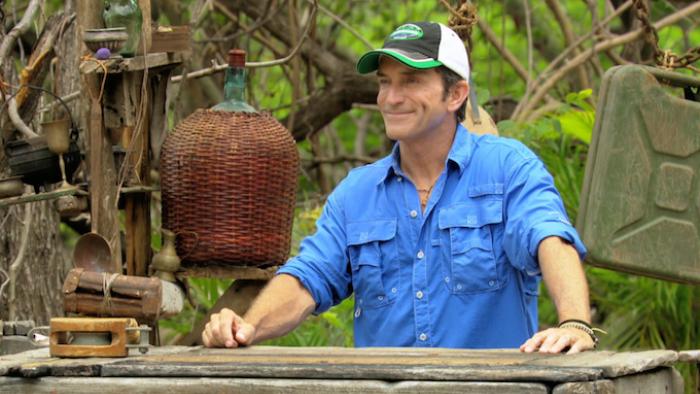
In award-winning reality show SURVIVOR, a group of strangers (usually 16, sometimes more) ranging in age from 20ish to 60ish is "cast away" for 39 days in a remote tropical location and divided into tribes. The tribes compete against each other in challenges for rewards or immunity from elimination (once the number of players dwindles significantly, they start competing individually instead of at the tribal level). The last contestant standing wins $1 million and the title of Sole Survivor. Even as they form a society and work together to build shelters and win the challenges, the Survivors vote each other out of the game one by one at tribal council—a formula that's been copied by countless reality/game shows since. But the game changes in unexpected ways each season, too, deliberately churning up surprises: Past gimmicks have included bringing back players who were voted out, switching up the tribes after a few days, exiling players to a special island, dividing tribes along controversial lines (race, age groups, etc.), and so on.
Is It Any Good?
It's not a stretch to call Survivor innovative and educational. The game requires contestants to learn and employ wilderness skills and work together, and each season takes place in a different part of the world, with the history and culture of the region incorporated into the show. Challenges test not only Survivors' physical strength but also their knowledge of local traditions and their ability to solve puzzles and problems. Terrific wildlife footage gives viewers a close-up look at exotic insects, snakes, spiders, sharks, tigers, alligators, etc., depending on the location.
As it has progressed, the series has wisely spent less time focusing on the Survivors' day-to-day ailments and more time emphasizing their social interaction and competitive ability—which always makes for more compelling reality TV. Fans of the series will find plenty to enjoy in each installment, although some parents won't appreciate the fact that lying and backstabbing are so prevalent.
Talk to Your Kids About ...
Families can talk about what it means to be a true survivor and how "real" the show is. Do you think the contestants are ever really in danger of starving or getting seriously hurt?
Are the players really the way they seem on TV, or does editing shape how they come across to viewers?
Do you have to cheat and lie in order to win this game? Is it ever OK to lie, and if so, when?
TV Details
- Premiere date : May 31, 2000
- Cast : Jeff Probst
- Network : CBS
- Genre : Reality TV
- TV rating :
- Award : Emmy - Emmy Award Winner
- Last updated : February 25, 2026
Did we miss something on diversity?
Research shows a connection between kids' healthy self-esteem and positive portrayals in media. That's why we've added a new "Diverse Representations" section to our reviews that will be rolling out on an ongoing basis. You can help us help kids by
Suggest an Update
Common Sense Media's unbiased ratings are created by expert reviewers and aren't influenced by the product's creators or by any of our funders, affiliates, or partners.
See how we rate