How Online Gambling Puts Teen Boys at Risk for Cyber Scams

Earlier this month, millions of families tuned in to the Super Bowl. Chances are, you and your kids saw a barrage of sports betting ads between the touchdowns and field goals.
Beyond traditional sports betting, prediction markets like Kalshi and Polymarket, which allow users to bet on real-world events, are also growing increasingly popular. Through a combination of polished commercial messaging that emphasizes getting rich quick and influencer-driven promotions, gambling has never been more visible or accessible to young people. 
This trend puts boys at heightened risk for cyber scams. Families need to take steps to protect themselves.
According to Common Sense Media's recent research on boys' gambling habits, 36% of boys age 11 to 17 have gambled in the past year. Nearly half of 17-year-olds are gambling. Most of this exposure isn't happening at casinos; it's happening online, in their favorite games, and through their social media feeds.
As sports betting has exploded in popularity, so have the scams targeting users. According to the Better Business Bureau, online gambling scams are on the rise, with losses totaling millions of dollars annually. And during big sporting events like the Super Bowl, the Winter Olympics, and the upcoming March Madness and NBA playoffs, these scams spike.
State attorneys general have warned consumers about unregulated prediction markets and fraudulent betting platforms that prey on excitement around major games. Fake apps, too-good-to-be-true promotions, and phishing texts all surge when millions of people are placing bets. This makes teens particularly vulnerable, as they're already navigating a gambling landscape they're not legally allowed to participate in.
Why Teen Boys Are at Higher Risk
Our research revealed that nearly half of boys who gamble also see online material promoting gambling, and most of that exposure is driven by algorithms. Only 14% actively search for it.
This normalization creates conditions that increase risky behavior. Boys who see gambling content online spend more money when they gamble ($72 vs. $33 for non-viewers) and are far more likely to overspend. Separately, boys who reported higher losses (over $51 in the past year) were also more likely to use their parents' credit cards without permission (21% vs. 8%).
The risky decision-making that gambling cultivates can carry over into other online behaviors, too. Adolescents are already more prone to impulsive decisions and less equipped to evaluate long-term risks. The excitement of gambling and social pressure from peers and influencers exacerbate impulsivity, enticing kids to act quickly without careful consideration. This creates the perfect environment for scammers to exploit. There are ways that parents and their kids can work together to protect themselves, but we also need stronger laws to protect kids from online gambling.
Common Scams Targeting Teen Gamblers
Scammers capitalize on major sporting events to deploy various deceptive schemes that target online gambling, sports betting, and prediction markets:
Fake Betting Sites and Apps:
- Scammers create lookalike websites or apps that mimic legitimate platforms.
- Gamblers place bets only to encounter technical difficulties or security concerns when they attempt to withdraw winnings.
- Some sites request identity verification (which can lead to identity theft) or payment of fees, only to never release the funds.
AI Deepfake "Endorsements":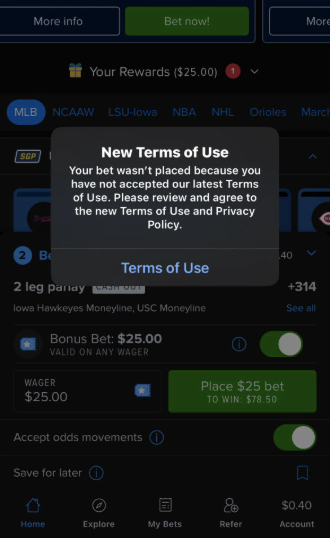
- Scammers use AI to create convincing fake videos of celebrities or athletes promoting betting platforms.
- These deepfakes spread rapidly on social media.
- Users may trust what appears to be a legitimate endorsement without verifying authenticity.
"Guaranteed Win" Schemes:
- Scammers promise insider tips or foolproof systems to beat the odds.
- Teens pay upfront fees for these "tips."
- Victims lose their bets and realize too late they've been scammed twice.
What We Can Do
Don't wait until you suspect your teen is gambling. Use big sporting events as a conversation starter and teach them to spot red flags:
- Too good to be true? It probably is.
- Pressure to act fast? Scammers create urgency to bypass critical thinking. When in doubt, take nine seconds before acting.
- Asking for personal info or payment upfront? Red flag.
- Shared by a "celebrity"? Verify it on their official account first.
The Super Bowl may be over, but online gambling ads, influencer hype, and scam risks aren't going anywhere. The same impulsivity that makes teens vulnerable to gambling losses also makes them vulnerable to phishing, fake apps, and deepfake scams. By starting conversations early, teaching critical thinking, and staying engaged in your teen's digital life, you can help them recognize the risks and make smarter choices. You can learn more about how to protect yourself on our Cybersecurity Essentials page.
Because, in the end, the house always wins—and they're counting on your teen not to know that.

Brenna Leasor is the tech policy counsel for Common Sense, where she advocates for state and federal policies to close the digital divide, promote safe and responsible AI, and educate consumers on online safety practices to keep kids safe in our digital world. Prior to joining Common Sense, she supported the policy and government relations function for a global professional services firm.