






Common Sense Media Review
 By Patricia Tauzer
,
based on child development research. How do we rate?
By Patricia Tauzer
,
based on child development research. How do we rate?
Magical storytelling brings African folktales to life.
Parents Need to Know
Why Age 8+?
Any Positive Content?
Where to Read
What's the Story?
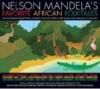
The three discs of this audio book present an amazing collection of 16 folktales from various areas of Africa. Some are animal fables, some are stories about people learning lessons, and others are myths that explain the natural world. Each runs from 5 to 22 minutes long, and most are sprinkled with snippets of African chants and music. A variety of well-known actors and performers read the stories, and the first disc opens with a special address from Archbishop Desmond Tutu. The third finishes with five songs, one a traditional Zulu song and the others original African music, as well as two bonus pdf. files that offer a foreword by Nelson Mandela, a map of Africa with flags marking the origin of each tale, and a collection of the original artwork that is part of the printed version.
Is It Any Good?
The stories are rich and exciting, and sometimes slightly violent, as traditional folktales tend to be. Each one is filled with some combination of fantastic beasts, cunning creatures, good deeds being rewarded, snake charmers, princesses, magic spells, and riddles. Hearing the adventures read aloud by such outstanding performers as Samuel L. Johnson, Helen Mirren, Alan Rickman or Whoopi Goldberg, to name only a few, definitely dramatizes the storytelling even more than the print version would do. And the music and singing add a whole other dimension.
Hearing the stories read aloud is essential to this ultimate value and enjoyment of this book, and to Nelson Mandela's hope that the voice of the storyteller never die. However, although the exquisite illustrations of the printed version are shared on the disc, they may not be available to everyone, and they really should not be missed. Perhaps the best option would be for readers to put both the audio and the print versions on their shelves.
A pdf. presents original artwork that accompanied the printed version of the book. African artists, most from South Africa, created colorful expressive illustrations for each of the 16 stories.
Talk to Your Kids About ...
Families can talk about each of the stories presented here. Does the story remind you of any other you have heard? Who are the characters? What lessons did they learn?
Each story came from somewhere on the map that can be printed out. Find each one. What kind of trees, flowers, and countryside do you imagine when you hear the story? Do you think that says anything about the place of its origin?
Would you rather hear a story, or read one? How is the experience different, or the same? How do stories change when they are told by different people, in different times and places?
How do the songs add to the stories? What kinds of things do you notice in the music?
If families are able to look at the artwork, they will enjoy talking about ways the artists showed the characters and why they chose to paint the scene as they did. Kids might enjoy making their own illustrations.
Book Details
- Author :
- Genre : Folklore
- Book type : Fiction
- Publishers : Artists for a New South Africa , Hachette
- Publication date : July 1, 2009
- Last updated : November 11, 2020
Did we miss something on diversity?
Research shows a connection between kids' healthy self-esteem and positive portrayals in media. That's why we've added a new "Diverse Representations" section to our reviews that will be rolling out on an ongoing basis. You can help us help kids by
Suggest an Update
Common Sense Media's unbiased ratings are created by expert reviewers and aren't influenced by the product's creators or by any of our funders, affiliates, or partners.
See how we rate