Parents need to know that One Day is a novel by David Nicholls that checks in on the lives of two friends on the same day each year over the course of 20 years. It's a frank look at how a friendship evolves over time, and how emotions—affection, lust, love—wax and wane. There's strong language, including "c--t, "f--k," and "s--t." Characters drink, smoke, and take drugs—one developing a reliance on alcohol and often described as drunk or hung over. Characters have sex and discuss relationships (it's not graphic). Physical fights include punching and kicking, there's a fatal traffic accident, and the mention of the death of a parent. All major characters are White, and they make casually racist/ethnic jokes about Chinese and French people, plus queerphobic and fatphobic references. Relationship difficulties, affairs, and other mature content might prove too mature for young teens attracted to the book because of the 2024 Netflix series or the 2011 movie adaptation starring Anne Hathaway and Jim Sturgess.
Drinking, Drugs & Smoking
a lot
Dex forms a drinking habit: drinking in secret, blacking out, vomiting, and putting himself and others in danger, including a young baby on one occasion. Frequent social drinking in pubs and restaurants, and of beer and liquor (brandy, cocktails, etc.), often resulting in drunkenness. Characters smoke cigarettes and take drugs, including pot, cocaine, and unspecified pills—described as "off their face" in their intoxication. Reference to smoking heroin. Mention of prescription drugs such as Temazepam, morphine, and Valium taken by an ill parent (though a healthy character also takes some from the cabinet). Mention of underage kids drinking "spiked Panda Pops."
Did you know you can flag iffy content?
Adjust limits for Drinking, Drugs & Smoking in your kid's entertainment guide.
Strong language includes "f--k," "f---ing," "f---ed," "c--t," "crap," "crapping," "pissed," "s--t," "s--tload," "pr--k," "t-t," "wanker," "bloody," "bitch," "bastards," "bollocks," "sod," "cow," "freak," "goddamn," "damn," "harlot," and exclamations of "hell" and "Christ." Racist comments are made, including "me love it long time" in relation to a Chinese-inspired dress.
Did you know you can flag iffy content?
Adjust limits for Language in your kid's entertainment guide.
Mentioned brands include Helmut Lang, Prada, Dries Van Noten, Calvin Klein, Levi's, Converse, Ted Baker, Karen Millen, PlayStation, Marlboro Lights, Maltesers, Le Creuset, Corona, Beechams, Scrabble, Tipp-Ex, Bombay Sapphire, Cinzano, Mazda, Rolls-Royce, Fiat, Ford, Jaguar, Odeon, Warner Brothers, as well as shops such as WH Smith, Woolworths, Body Shop, Knickerbox, and Pret a Manger. References to TV shows including City Beat, Big Brother, EastEnders, The Bill, and Silent Witness. Magazines and newspapers like Country House, Private Eye, The Economist, and The Lady. Computer games including Metal Gear Solid, Quake, and Doom.
Sex, Romance & Nudity
some
Sex comes up fairly frequently, including hugging and kissing in bed, touching breasts, a hand between legs, and biting another's lip. Reference to seeing a person naked in the shower. Characters have affairs. Mention of condoms and feeling "horny." Scenes include skinny-dipping and take place at a strip club and a nudist beach.
Did you know you can flag iffy content?
Adjust limits for Sex, Romance & Nudity in your kid's entertainment guide.
An attack in a nightclub involves punching, kicking, and a character with a cut lip and bruises to the face. References to teens duking it out—shoving, screaming—before a play begins. Joke about hitting kids with a nail-studded cricket bat. Accidental injury during a parlor game results in a bloody nose. A character jokes about feeling suicidal and jumping into the canal. A traffic accident results in a fatality; no gory details. Mention of bombs on public transport, a character vomiting, and the illness and death of a parent. Couples bicker, sometimes cruelly. A drunk person is in charge of a young baby, and stumbles when holding her, though the baby isn't hurt.
Did you know you can flag iffy content?
Adjust limits for Violence & Scariness in your kid's entertainment guide.
People grow and change over time, and it's a blessing to have others around who support you throughout. Love finds its own timing, and partners need to be mature and committed to find its footing. Patience is a virtue. It can take time to discover who you are and what makes you happy. Communication, forgiveness, and understanding are important in close relationships.
Positive Role Models
some
Emma and Dex are flawed individuals, but they're mostly loyal to each other and care deeply for one another. Dex especially feels the need to better himself when he's around Emma, who often has a good influence on him. Emma is always striving to find her place in the world that involves improving it for those around her—an admirable trait. She is intelligent and studious, though sometimes looks down on others who she believes to be less smart or politically active than her. Dex can be shallow, seeking out success and popularity for much of his younger life. He also has a self-loathing streak that leads to destructive behaviors, such as alcohol and drug use. Both try to be honest when communicating with each other and hold tough conversations when necessary, though they struggle with romantic feelings.
Educational Value
very little
Intended to entertain rather than educate, the book includes an overview of British pop culture from the 1980s to the 2000s.
Diverse Representations
very little
Most characters are White, including leads Emma and Dex. Some kids at Emma's school are either South Asian or Black. Emma is a strong female character who's smart and socially conscious and speaks her mind, though other women are usually described through the eyes of Dex, who focuses on their looks. Mention of a person imitating another's Yorkshire accent as if it's "quaint" or "daft." Words like "plump" and "puppy fat" are used in a derogatory way to describe a character, who's portrayed as the unattractive roommate. White characters make racist jokes about a Chinese-inspired dress ("me love it long time" and "40 minutes later you want another one") and talk about French people being rude, dirty, etc. Dismissive LGBTQ+ references include a passing mention of a straight man kissing a gay man in a club because he was "off his face," and a character rolling their eyes when they discover a friend's girlfriend is bisexual.
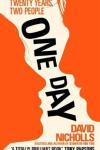
In ONE DAY, Emma Morley and Dexter Mayhew meet on St. Swithin's Day, the day of their graduation from university. They spend the night talking and making out, but because Dex will leave on a year-long travel adventure, they decide to just be friends. Each year on that same day, we check in with them and watch as they negotiate adulthood, external relationships, and their friendship, and figure out what they truly mean to each other and just how much.
Unequivocally moving and compelling, there's no wonder this heartfelt novel has been adapted into both a feature film and a popular Netflix show. One Day stacks up against many others as a stellar, honest portrait of a genuine friendship—marred by pitfalls and setbacks, but worth every moment nonetheless. Reading it, you feel as if you're privy to a real-life relationship; you root for them and get frustrated with them. (Don't be surprised if you find yourself talking to them.) It's funny, too, and finely tuned to the zeitgeist. The once-a-year format sometimes feels like a conceit, but it also gives the narrative much-needed structure. Some readers may be disappointed with the ending, but no matter what emotions it elicits, it'll likely stay with you long after you've turned the final page.
Talk to Your Kids About ...
Families can talk about why Emma and Dex are drawn to each other in One Day. How are they different from each other? What do they learn from each other?
Emma and Dex show good communication at some—but not all—points in their relationship. Why is communication an important character strength? How does it affect their relationship journey over the years?
Dex struggles with addiction during the book. How is this portrayed? How does he view himself during this time, and how do others view him? Do you think he's treated sympathetically by the author? Where might you go if you were concerned that you or someone close to you was suffering with addiction?
Available on
:
Paperback, Audiobook (unabridged), Hardback, Apple Books, Kindle
Last updated
:
October 1, 2025
Did we miss something on diversity?
Research shows a connection between kids' healthy self-esteem and positive portrayals in media. That's why we've added a new "Diverse Representations" section to our reviews that will be rolling out on an ongoing basis. You can help us help kids by
Common Sense Media's unbiased ratings are created by expert reviewers and aren't influenced by the product's creators or by any of our funders, affiliates, or partners.







 By S. Jhoanna Robledo
,
based on child development research. How do we rate?
By S. Jhoanna Robledo
,
based on child development research. How do we rate?