






Common Sense Media Review
 By Carrie Kingsley
,
based on child development research. How do we rate?
By Carrie Kingsley
,
based on child development research. How do we rate?
Warm, complex characters share teen life, Native traditions.
Parents Need to Know
Why Age 8+?
Any Positive Content?
Where to Read
Parent and Kid Reviews
What's the Story?
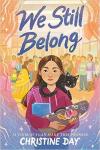
In WE STILL BELONG, Wesley is a middle school student, a gamer, a musician, and a descendent of the Upper Skagit Tribe near Seattle. She lives in a multigenerational home with extended family that she mostly enjoys even when their home feels crowded. Wesley submitted a poem to the school paper celebrating Indigenous People's Day and is both nervous about what people will think and excited to talk about it in her English class, as is her teacher's tradition for published work. But her teacher doesn't talk about it or give her extra credit, almost no one at school acknowledges the poem, and it looks like someone else asked her crush to the school dance. All of this happens while Wesley struggles with finding her place within a tribe that she doesn't feel fully a part of and at a school where she might not fit in, either.
Is It Any Good?
Strong, intricate characters are the foundation of this wonderfully powerful, relatable story of community and self-identification. We Still Belong weaves together different perspectives and backgrounds, showing that some feelings are universal, and that friendship and openness can bridge many gaps. Wesley's fear of public failure with her poem and her crush play out against her own private feelings of not quite belonging to her Upper Skagit tribe because she might not be "Native enough." One of the more insightful moments comes when Wesley faces her teacher's unexpected response to her poem. She doesn't want to argue about Columbus Day, she wants to celebrate Indigenous People's Day. The support of her friends and family helps her navigate this confusion and contradiction. It's nice to see families communicate clearly with each other and be supportive, and for kids to have mature responses to others needing a little help. The complexity of Wesley's life is wonderfully written and relatable to all readers.
Talk to Your Kids About ...
Families can talk about what they think of Mr. Holt's decision not to discuss Wesley's poem in class in We Still Belong. Do you think he had a point, or should the class have discussed it? How would you approach the situation?
Wesley has opinions about Skye and Ella before she really talks to them. Have your opinions ever changed after you've gotten to know someone? Are they different than you expected?
What cultural or family traditions would you write about, or would you like to read about from your friends? Why is it important to communicate about our cultural and family traditions?
After Wesley's had a bad day, she still extends empathy and compassion to a popular girl who's crying in the bathroom. Why do you think she wanted to help, even when she was having a hard day herself? What did Wesley learn from helping the girl?
Book Details
- Author :
- Genre : Coming of Age
- Topics : Friendship , Holidays , School ( Middle School )
- Character Strengths : Communication , Compassion , Courage , Empathy
- Book type : Fiction
- Publisher : Heartdrum
- Publication date : August 1, 2023
- Publisher's recommended age(s) : 8 - 12
- Number of pages : 256
- Available on : Audiobook (unabridged), Hardback, Apple Books, Kindle
- Award : Common Sense Selection
- Last updated : September 18, 2025
Did we miss something on diversity?
Research shows a connection between kids' healthy self-esteem and positive portrayals in media. That's why we've added a new "Diverse Representations" section to our reviews that will be rolling out on an ongoing basis. You can help us help kids by
Suggest an Update
Common Sense Media's unbiased ratings are created by expert reviewers and aren't influenced by the product's creators or by any of our funders, affiliates, or partners.
See how we rate