







Common Sense Media Review
 By Regan McMahon
,
based on child development research. How do we rate?
By Regan McMahon
,
based on child development research. How do we rate?
Man misses dog but loves him always in sweet grief tale.
Parents Need to Know
Why Age 4+?
Any Positive Content?
Where to Read
Parent and Kid Reviews
What's the Story?
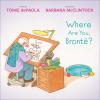
WHERE ARE YOU, BRONTË? begins with white-haired author Tomie dePaola looking up in the sky and seeing in the clouds an image of his beloved dog, Brontë. On the next spread, he holds a framed picture of the dog near Brontë's empty bed. The following page begins a series of recollections of their relationship over 12 and a half years, starting with dePaola picking up Brontë at the airport in a crate. At the top of the page is the line "Where Are You, Brontë?" which is repeated on pages charting Brontë's growth over time. As dePaola describes aspects of Brontë—"You loved your toys," "You loved to go out for your walk"—he also recalls that Brontë went blind and "I worried that you wouldn't be joyful anymore. But I was wrong." Finally, we see the empty bed and dePaola says, "The day you left me, I knew I would miss you. And I did every day, every night. But then I knew you were right here, still with me, in my heart forever."
Is It Any Good?
This warm, loving tribute to a pet that died is sweet, gentle, and honest about the grief process. Where Are You, Brontë? will be relatable for those who have lost a pet, but it also models someone working through his sad feelings and talking about them. It shows that little reminders, like keeping a framed picture of the one you love, remembering the fun you had together, or imagining him floating in the clouds above, can bring comfort. This simple, kid-friendly story has deep layers and lots of joy despite its theme of mourning. And illustrator Barbara McClintock slyly includes some familiar characters from Tomie dePaola's work, including Strega Nona herself at a large spaghetti feast.
The phrase "Where Are You, Brontë?" introduces each section about a different stage of Brontë's life from puppyhood to death. It speaks to the nagging feeling many grieving people have when they enter a room and expect their loved one to be there even though they know they're gone. And it suggests the existential question: Where do pets (or people) go when they die? But as McClintock says in her Illustrator's Note at the back of the book: "Just as Tomie discovers that Brontë is there with him, forever, we also will forever have Tomie [who died in 2020] and his extraordinary, generous, wise, and funny books that have profoundly influenced so many children and the adults those children have become."
Talk to Your Kids About ...
Families can talk about how the white-haired man telling the story misses his dog in Where Are You, Brontë? Have you ever lost a pet? How did it feel? Did anything help you feel better?
The man remembers doing lots of fun things with his dog, Brontë. If you have a dog or other pet, what activities do you do together? If you don't have a pet, what do you imagine you'd do with one?
When the man remembers the good times he and Brontë shared and talks about his feelings, he seems to feel better. Do you find it hard to talk about your feelings when you're having a rough time? Why is communication an important strength?
Book Details
- Author :
- Illustrator : Barbara McClintock
- Genre : Picture Book
- Topics : Animals
- Character Strengths : Communication
- Book type : Fiction
- Publisher : Simon & Schuster Books for Young Readers
- Publication date : May 6, 2025
- Publisher's recommended age(s) : 4 - 8
- Number of pages : 48
- Available on : Hardback, Apple Books, Kindle
- Award : Common Sense Selection
- Last updated : September 18, 2025
Did we miss something on diversity?
Research shows a connection between kids' healthy self-esteem and positive portrayals in media. That's why we've added a new "Diverse Representations" section to our reviews that will be rolling out on an ongoing basis. You can help us help kids by
Suggest an Update
Common Sense Media's unbiased ratings are created by expert reviewers and aren't influenced by the product's creators or by any of our funders, affiliates, or partners.
See how we rate