







Common Sense Media Review
 By Angelica Guarino
,
based on child development research. How do we rate?
By Angelica Guarino
,
based on child development research. How do we rate?
Patience is a virtue in this 3D action platformer.
Parents Need to Know
Why Age 10+?
Any Positive Content?
Where to Play
Videos and Photos


Blue Fire
Parent and Kid Reviews
What's It About?
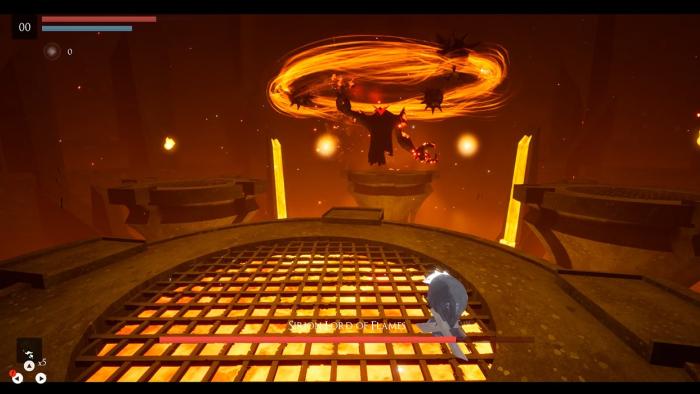
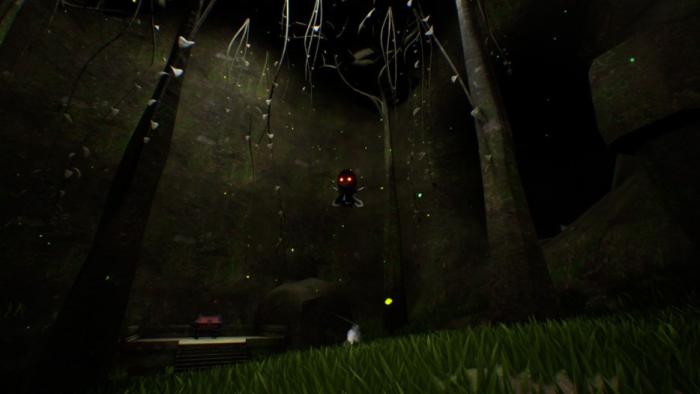
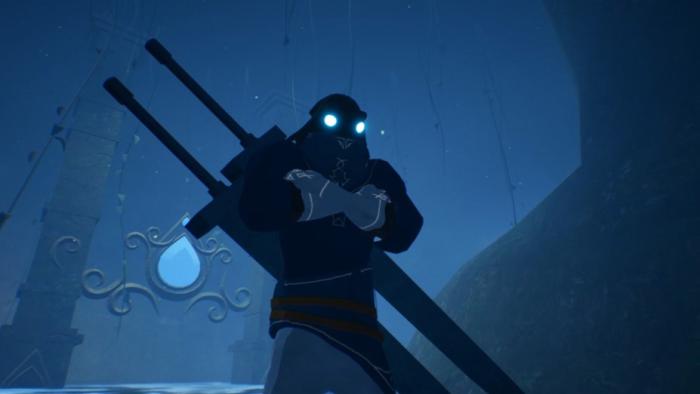
The opening scene of BLUE FIRE starts off with a hero waking from a long sleep, without any understanding of who or where they are. The world of Penumbra is revealed through tiny installments of information, discovered mostly through short conversations with the world's inhabitants. Over time, players learn that the tragedy of Penumbra began long ago, when one of the six gods who ruled the land decided to turn their back on the others, wishing to hoard power for themself. A large war ensued, leaving Penumbra's castle to serve as a fortress for the few remaining creatures who survived. There's an intentional bare-bones approach to the storytelling, which permits players to interpret story clues in their own way.
Is It Any Good?
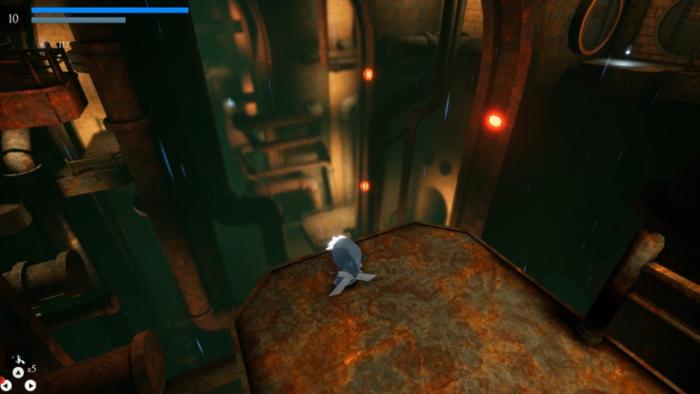
Though it's designated as a 3D action platformer, this also feels like a puzzle game, as players must traverse stages with steadily increasing difficulty. Though some areas of Blue Fire may feel familiar from section to section, players never feel like they're repeating anything. What's remarkable about this is that practice and patience will make players substantially better over time, which isn't always the case in fast-paced action games that can sometimes outpace the skill level of some players. Here, there's time and space to grow, even including multiple ways to solve some puzzles.
The most impressive highlight of Blue Fire is its ability to walk the line between being satisfyingly challenging but not inaccessible. While you might stumble over a barrier many times before getting it right, every "game over" screen feels like a learning experience rather than a punishment. For beginners and experienced gamers alike, each puzzle is just complicated enough to give players a moderate pause, but also keep them moving. This translates to a feeling of accomplishment when an obstacle is finally overcome, as well as a moment to exhale from the fast pace of the game and refocus for the next hurdle if needed. While a beginner may not fly through the first stages, they also probably won't be stuck on the same level for hours. There are also two difficulty levels, with "newcomer" being available for beginners, and "recommended" reserved for everyone else. While this may seem like a simple addition, this speaks to an effort to be inclusive. Adding to this further is the metroidvania approach to tasks, meaning that once treasure chests and doors are unlocked, they are permanently available, taking some of the pressure off those who may not be able to easily make the long distance between checkpoints. Overall, this title is a fit for anyone with an interest in platformers, not just those with hundreds of hours logged in similar titles.
Talk to Your Kids About ...
Families can talk about accessibility in gaming. Why do some games take pride in being extremely difficult, and why do some players support that? Is it important to offer tutorials, instructions, and adjustable difficulty levels in games? Why or why not?
Are the skills of focus and precision naturally present in a player, or are they learned? Can these skills offer any benefits in other aspects of life, or are they contained to this specific activity? How?
Game Details
- Platforms : Nintendo Switch , PlayStation 4 , Windows , Xbox One
- Pricing structure : Paid
- Available online? : Available online
- Publisher : Graffiti Games
- Release date : February 3, 2021
- Genre : Action/Adventure
- Topics : Fantasy ( Magic )
- ESRB rating :
- Last updated : September 30, 2025
Did we miss something on diversity?
Research shows a connection between kids' healthy self-esteem and positive portrayals in media. That's why we've added a new "Diverse Representations" section to our reviews that will be rolling out on an ongoing basis. You can help us help kids by
Suggest an Update
Common Sense Media's unbiased ratings are created by expert reviewers and aren't influenced by the product's creators or by any of our funders, affiliates, or partners.
See how we rate