







Common Sense Media Review
 By Matt Cabral
,
based on child development research. How do we rate?
By Matt Cabral
,
based on child development research. How do we rate?
Violent ghost-busting adventure scares up unique urban tale.
Parents Need to Know
Why Age 13+?
Any Positive Content?
Where to Play
Videos and Photos


Ghostwire: Tokyo
What's It About?
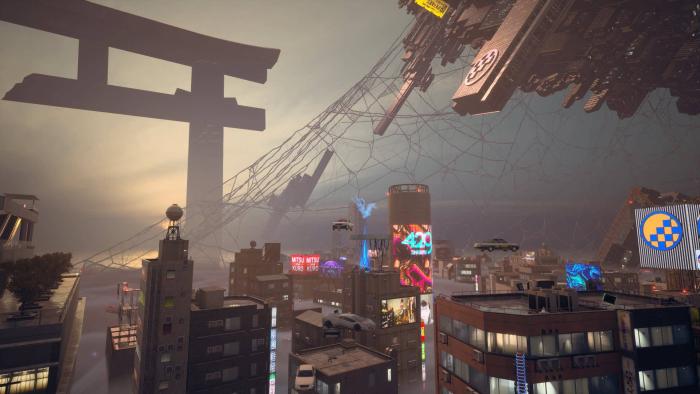
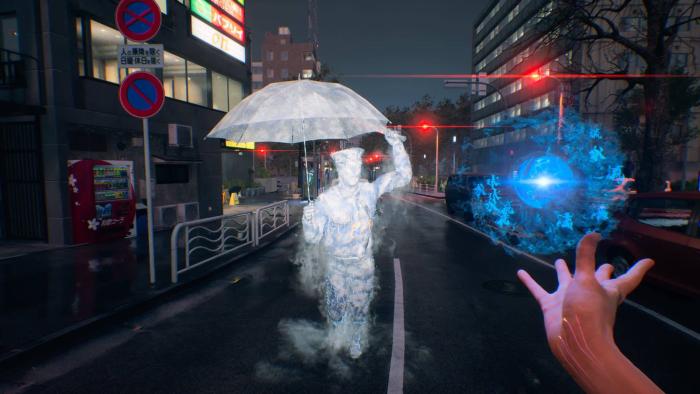
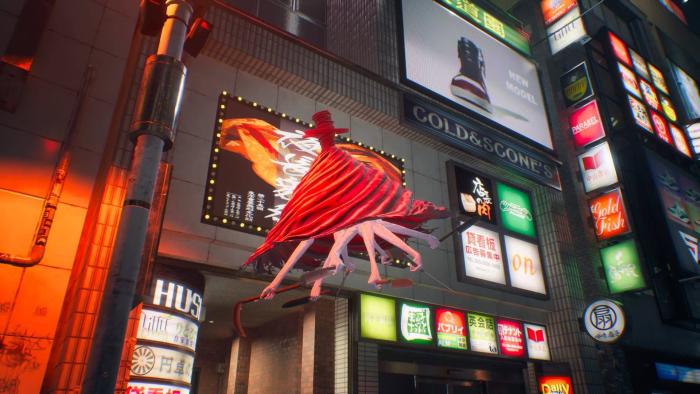
GHOSTWIRE: TOKYO is an open-world action adventure that puts players in the shoes of Akito, a man who's nearly killed in an accident just before a choking fog consumes Tokyo, stealing the souls of its people. Akito -- who's also trying to save his hospitalized sister from an evil entity -- is possessed by a spirit named KK, who grants him spell-like powers to combat the benevolent ghosts and demons that have taken over the now-abandoned city. Together, the pair slay specters, help troubled spirits, and attempt to unravel the story's central, supernatural mystery. An update released post-launch adds additional side quests, enhanced narrative sequences, and new mode called The Spider's Thread that extends the game's play time by challenging players to have Akito fight his way through a lengthy series of new stages or die trying.
Is It Any Good?
At its core, this fright-filled offering is a familiar open-world action-adventure, complete with first-person combat and an objective-cluttered map. But Ghostwire: Tokyo's detailed urban setting, specter-slaying encounters, and supernatural-themed storytelling -- now enhanced with extended cut scenes that further develop characters as well as the game's yokai lore -- help separate it from genre contemporaries. Trading the typical guns, grenades, and melee weapons for an arsenal of elemental-based abilities feels great, as does upgrading these various paranormal powers via a sprawling skill tree. There's a bit of a learning curve, as the game introduces and teaches several of its systems and mechanics at a pretty rapid pace. The basics of combat and exploration are easy to pick up, but secondary features, such as praying at statues to increase SP, performing hand gestures to breach obstacles, and freeing spirits -- which can seem confusingly similar to protecting souls -- can get jumbled together. Seasoned gamers should clear these hurdles with little effort, but newcomers could become a bit overwhelmed.
When not taking on the game's imaginative line-up of nightmare-conjuring ghouls and ghosts, you're free to explore its sprawling city -- an intricately crafted, highly atmospheric take on modern day Tokyo -- and engage in spooky side quests and activities, including a new school area with new missions and skills introduced in the Spider's Thread update. Saving lost souls, helping troubled spirits, and interacting with plenty of cute cats and dogs are all on the agenda. As much fun as this ghost story can be, especially once you get a handle on all it has to offer, it does suffer from some repetition and pacing issues. Because it front loads most of its gameplay features and enemy types at the start of the adventure, its back half just doesn't pack as many surprises or fresh threats. Still, if you're craving an open-world romp that trades the usual tropes for an inspired setting, story, and characters, Ghostwire: Tokyo is worth getting goosebumps over.
Talk to Your Kids About ...
Families can talk about violence in video games. Is the impact of the violence in Ghostwire: Tokyo affected by the use of spells instead of firearms? How does this game's violence differ from the violence in other shooters? Would the impact be intensified if you were fighting people instead of ghosts?
How does this game approach horror and scary content versus other horror games? Does the lack of blood and gore make it less scary? Are the spectral enemies more frightening than the zombies and monsters of other horror titles?
How does the game depict its real-world location? Does it seem accurate? Do you prefer games set in the real world or would you rather play in a fictional universe?
Game Details
- Platforms : Xbox Series X/S , PlayStation 5 , Windows
- Pricing structure : Paid
- Available online? : Available online
- Publisher : Bethesda Softworks
- Release date : April 11, 2023
- Genre : Action/Adventure
- Topics : Fantasy ( Magic ) , Adventures
- ESRB rating :
- Last updated : September 29, 2025
Did we miss something on diversity?
Research shows a connection between kids' healthy self-esteem and positive portrayals in media. That's why we've added a new "Diverse Representations" section to our reviews that will be rolling out on an ongoing basis. You can help us help kids by
Suggest an Update
Common Sense Media's unbiased ratings are created by expert reviewers and aren't influenced by the product's creators or by any of our funders, affiliates, or partners.
See how we rate