







Common Sense Media Review
 By Jeffrey Anderson
,
based on child development research. How do we rate?
By Jeffrey Anderson
,
based on child development research. How do we rate?
Harsh language in powerful documentary about racism.
Parents Need to Know
Why Age 15+?
Any Positive Content?
Where to Watch
Videos and Photos



A Crime on the Bayou
Parent and Kid Reviews
What's the Story?
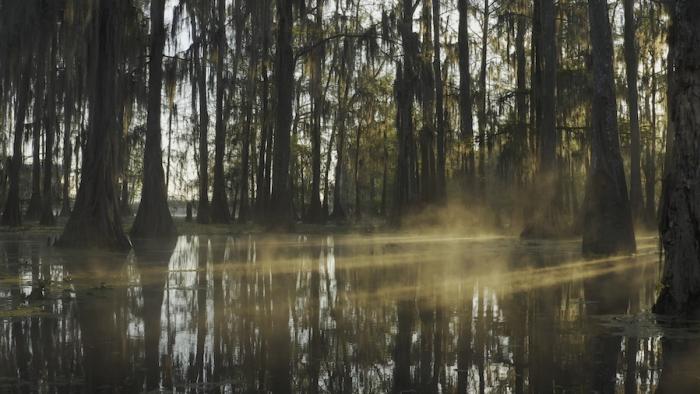
A CRIME ON THE BAYOU tells the story of how, in 1966 Plaquemines Parish, Louisiana, a 19-year-old Black man named Gary Duncan stopped to break up a fight between his nephew and cousin and some White students outside a newly integrated school. In the process, Duncan touched a White boy's arm. Arrested for assault, he would eventually wind up spending years fighting for his freedom. Civil rights lawyer Richard Sobol comes to his aid, eventually clashing with powerful local "boss" Leander Perez, a deep-rooted racist who stops at nothing to enforce his will and retain his control over the region.
Is It Any Good?
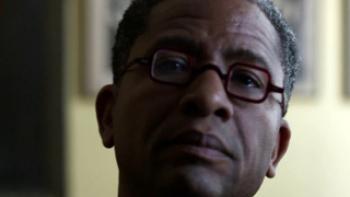
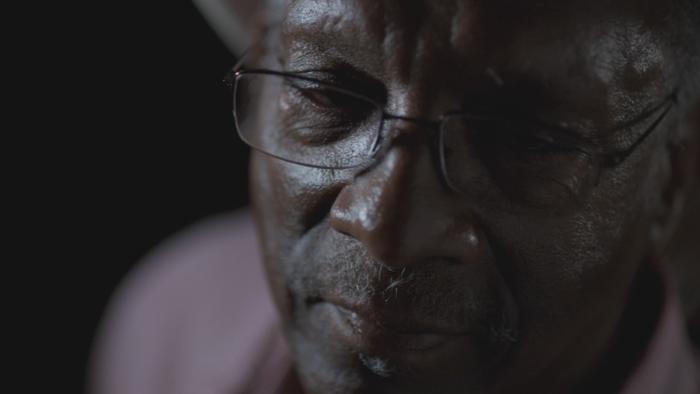
Somewhat rambling and roundabout, this documentary nevertheless zeroes in on distinct heroes and villains and tells a powerful, important story, the reverberations of which still linger. At the outset, A Crime on the Bayou promises that this is Gary Duncan's story, but Duncan -- who's still alive and contributed interviews -- only appears in a small fraction of the finished movie. His few scenes are amazingly effective, but he could have been a stronger and more emotional part of the film, especially given the deep friendship he formed with Sobol (a detail that is, mystifyingly, kept hidden until the end).
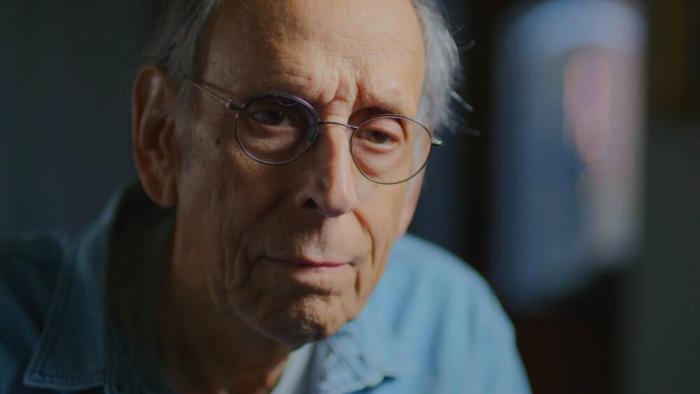
Apart from drifting into asides about Hurricane Betsy, clips from the great 1948 documentary Louisiana Story, and distracting music by Miles Davis, Randy Newman, and others, A Crime on the Bayou does land on some interesting discussions, especially by fellow civil rights lawyer Armand Derfner -- even if they don't always relate specifically to the matter at hand. When focusing on Duncan, Sobol, and Perez, however, the film has an undeniable pull. Sobol (who died in April of 2020 after completing his interviews) comes across as a humble hero, while Perez (who died in 1969) is the vilest of villains. Directed by Nancy Buirski, the movie's message of tolerance is righteously clear -- and still timely.
Talk to Your Kids About ...
Families can talk about A Crime on the Bayou's depiction of violence. How did it make you feel? What is shown, or not shown? What's threatened? How does seeing/hearing about real-life violence compare to the impact of action-style violence?
How does the movie depict racism? How did systemic racism impact Duncan's life?
What is a "White savior"? Do you consider Sobol to be one in the context of this story?
Do you consider Duncan a role model? Why, or why not? How do he and Sobol demonstrate perseverance?
Early on, the movie offers a quote by Leo Tolstoy: "Since corrupt people unite amongst themselves to constitute a force, then honest people must do the same." How does this apply to us today? What can "honest people" do?
Movie Details
- In theaters : June 18, 2021
- On DVD or streaming : August 3, 2021
- Cast : Gary Duncan , Richard Sobol , Lolis Eric Elie
- Director : Nancy Buirski
- Studio : Shout! Studios
- Genre : Documentary
- Character Strengths : Perseverance
- Run time : 89 minutes
- MPAA rating :
- Last updated : August 24, 2021
Did we miss something on diversity?
Research shows a connection between kids' healthy self-esteem and positive portrayals in media. That's why we've added a new "Diverse Representations" section to our reviews that will be rolling out on an ongoing basis. You can help us help kids by
Suggest an Update
Common Sense Media's unbiased ratings are created by expert reviewers and aren't influenced by the product's creators or by any of our funders, affiliates, or partners.
See how we rate