







Common Sense Media Review
 By Kat Halstead
,
based on child development research. How do we rate?
By Kat Halstead
,
based on child development research. How do we rate?
Classic period adaptation about racism, sexual assault.
Parents Need to Know
Why Age 13+?
Any Positive Content?
Where to Watch
Videos and Photos


A Passage to India
Parent and Kid Reviews
What's the Story?
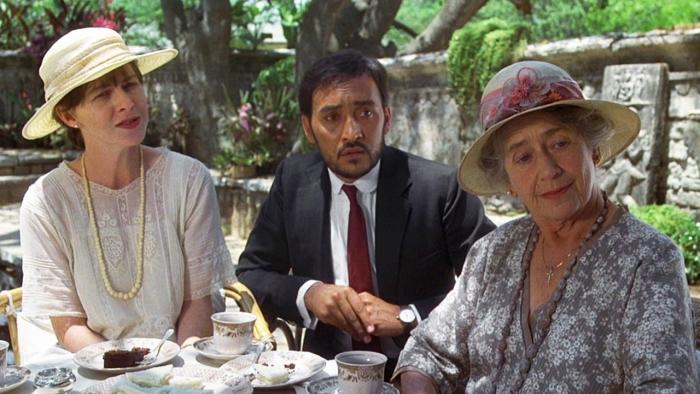
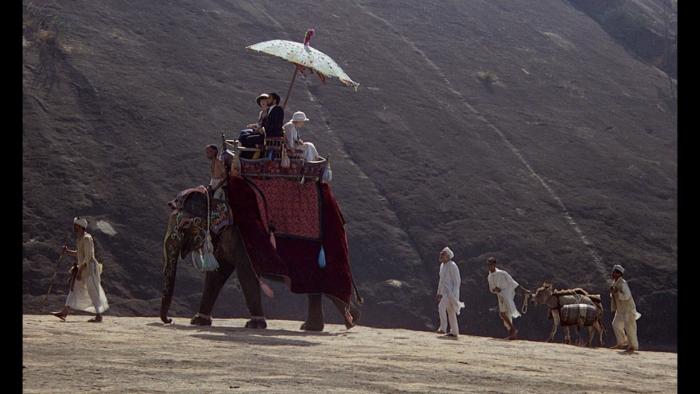
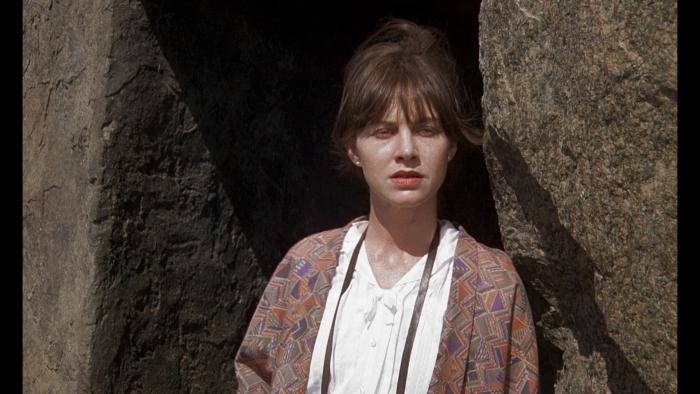
In A PASSAGE TO INDIA, a young woman, Adela (Judy Davis), travels to India with her soon-to-be-mother-in-law, Mrs. Moore (Peggy Ashcroft). There, her fiancé, Ronny (Nigel Havers), encourages them to limit themselves to local English circles, but the two women are keen to see the "real" India. They meet and befriend local doctor Dr. Aziz (Victor Banerjee), English educator Richard Fielding (James Fox), and the Indian Professor Godbole (Alec Guinness). But racial and cultural tensions explode when an outing results in an accusation of rape.
Is It Any Good?
When you take a novel considered one of the greatest works of the 20th century and put it in the hands of a two-time Oscar-winning film director, the result is bound to be memorable. A Passage to India still lives up to the hype some 40 years later. It's true, some things about this epic of a movie haven't aged well—a White actor playing an Indian and the treatment of the rape accusation in particular—but the humor (aimed at both the British and the Indians), the dialogue about colonization, and the spectacular scenery certainly maintain this as true classic with plenty still to say. Ashcroft is perfectly cast as Mrs. Moore—an "old soul" as the local Indian men refer to her, her wisdom and warmth shining through to win her an Academy Award for Best Supporting Actress (one of the two wins from 11 nominations). Banerjee also gives a memorable performance as the unfortunate Dr. Aziz, his relationship with Davis' Adela the catalyst for the film's central drama, and an example of the dangers of the places where prejudice and power collide. That the two female leads are independent and relatively likable is another positive aspect that endures, as is the open ending, which some will sit thoughtfully with, but others may struggle to accept after nearly three hours.
Talk to Your Kids About ...
Families can talk about how relationships between British and Indian characters were portrayed in A Passage to India. What were some of the racist and discriminatory views portrayed? How were Mrs. Moore, Adela, and Richard's views different from most of the other White people? What message did you think the movie sent about the way we perceive and treat others?
The two main female characters—Mrs. Moore and Adela—were independent and adventurous, and didn't step in line with others' expectations. Would you say they're strong female role models? Discuss why or why not.
In what ways did characters show empathy and curiosity during the movie? Why are these important character strengths? Can you think of times in your own life when you've displayed these qualities?
How might the film be different if it was made today?
Movie Details
- In theaters : December 14, 1984
- On DVD or streaming : April 15, 2008
- Cast : Judy Davis , Peggy Ashcroft , Victor Banerjee , James Fox
- Director : David Lean
- Studio : Columbia Pictures
- Genre : Drama
- Topics : Book Characters , History
- Character Strengths : Curiosity , Empathy
- Run time : 164 minutes
- MPAA rating :
- Awards : Academy Award - Best Picture Nominee , Academy Award - Other Category Winner , Academy Award - Other Category Nominee , BAFTA - BAFTA Winner , BAFTA - BAFTA Nominee , Golden Globe - Golden Globe Award Winner , Golden Globe - Golden Globe Award Nominee
- Last updated : September 18, 2025
Did we miss something on diversity?
Research shows a connection between kids' healthy self-esteem and positive portrayals in media. That's why we've added a new "Diverse Representations" section to our reviews that will be rolling out on an ongoing basis. You can help us help kids by
Suggest an Update
Common Sense Media's unbiased ratings are created by expert reviewers and aren't influenced by the product's creators or by any of our funders, affiliates, or partners.
See how we rate