







Common Sense Media Review
 By John Sooja
,
based on child development research. How do we rate?
By John Sooja
,
based on child development research. How do we rate?
Compelling docu about criminalization of rap; language.
Parents Need to Know
Why Age 15+?
Any Positive Content?
Where to Watch
Videos and Photos
As We Speak: Rap Music on Trial
Parent and Kid Reviews
What's the Story?
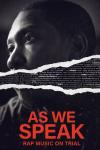
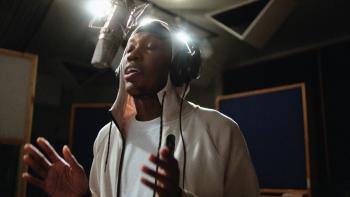
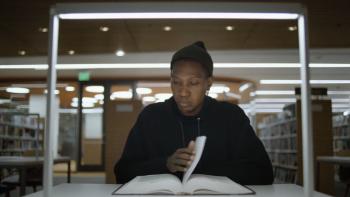
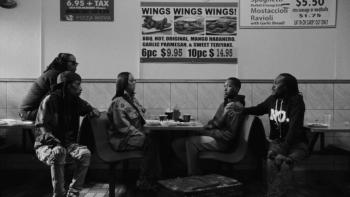
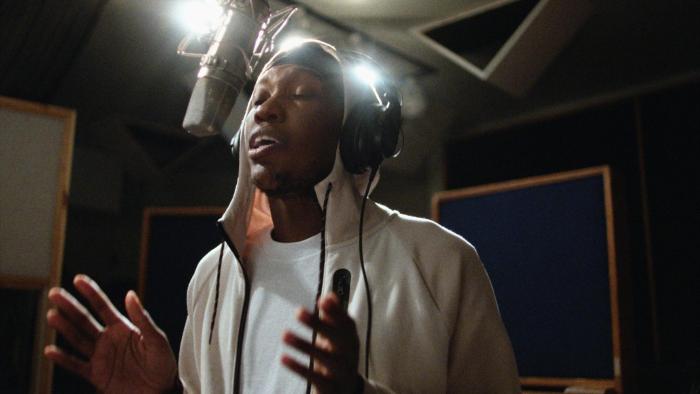
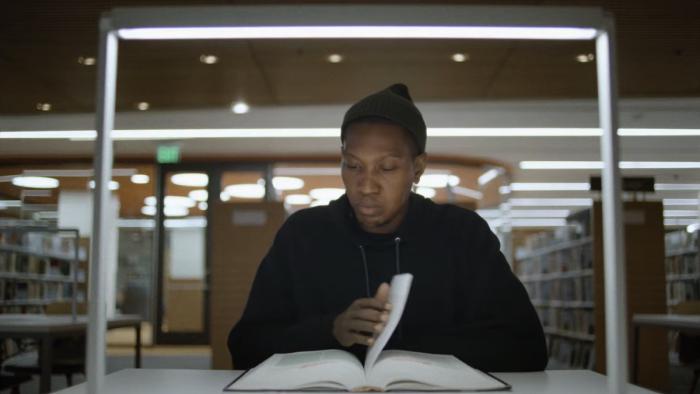
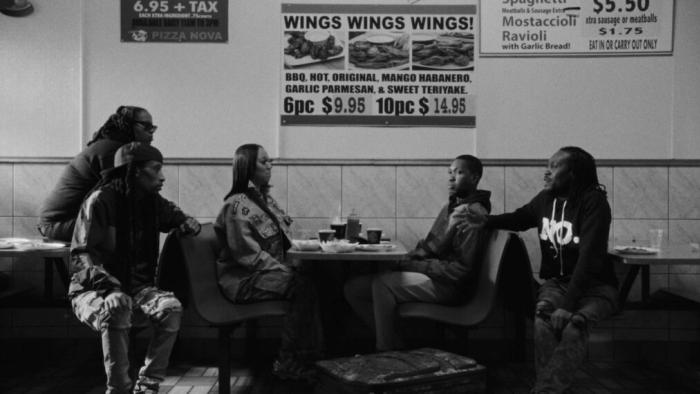
In AS WE SPEAK: RAP MUSIC ON TRIAL, rapper Kemba takes viewers on a tour of the history of Black music all the way to the present and focuses on the unfair persecution of Black musical artists who have had their music and words used against them while being prosecuted for crimes.
Is It Any Good?
This documentary strongly argues against allowing prosecutors to use rap lyrics as evidence. The structure of As We Speak: Rap Music on Trial is also strong, using rapper Kemba as a personalized guide through the issue. Starting with a short history of Black musical forms and genres and how they were largely received by White America, Kemba takes viewers up through the present day and visits criminal defense attorneys, journalists, and law professors to help shed some light on this unfair and racist practice. As the documentary reveals, since 1990, rap lyrics have been used as evidence in over 700 trials. Further, only 1% of cases actually even go to trial, as the other 99% of cases involve the accused taking plea deals wherein evidence is not made public, so the true number of cases where rap lyrics are being used to unfairly "convict" those charged is unknown.
One of the most compelling pieces of evidence is a study done by Adam Dunbar out of the University of California, Irvine, that shows how people view rap music as a genre versus other musical genres. When being presented with the same lyrics (actually taken from a 1960s folk song called "Bad Man's Blunder," written by two White men), some people were told the lyrics were from rap music, others were told the lyrics were from country music, and a third group was told the lyrics were from heavy metal music. The first group thought the writer of the lyrics had "worse character" and a "greater criminal propensity." So, while Freddie Mercury can sing about having "just killed a man (put a gun against his head)" and Johnny Cash can sing, "I shot a man in Reno, just to watch him die," they don't face the same persecution that a Black musical artist would if they had written those same lyrics.
Talk to Your Kids About ...
Families can talk about violence in documentaries. Did you find that the history of violence toward Black people shown in As We Speak: Rap Music on Trial was educational? What were the most effective moments?
What is the most compelling evidence shown in this documentary and why?
Did this documentary change your opinion of rap music? Why or why not?
Do you think that London's Project Alpha program is fair and put to use well? Why or why not?
Do you think London's use of closed-circuit cameras is ethical? How would you feel if you knew that the second you stepped outside, you were being filmed?
Movie Details
- On DVD or streaming : February 27, 2024
- Cast : Kemba , Killer Mike , Mac Phipps , Alexandra Kazarian
- Director : J.M. Harper
- Studio : Paramount+
- Genre : Documentary
- Topics : Activism , Arts ( Music and Sing-Along )
- Run time : 96 minutes
- MPAA rating :
- Last updated : September 18, 2025
Did we miss something on diversity?
Research shows a connection between kids' healthy self-esteem and positive portrayals in media. That's why we've added a new "Diverse Representations" section to our reviews that will be rolling out on an ongoing basis. You can help us help kids by
Suggest an Update
Common Sense Media's unbiased ratings are created by expert reviewers and aren't influenced by the product's creators or by any of our funders, affiliates, or partners.
See how we rate