







Common Sense Media Review
 By Jennifer Green
,
based on child development research. How do we rate?
By Jennifer Green
,
based on child development research. How do we rate?
Poignant docu about Disney lyricist has mature themes.
Parents Need to Know
Why Age 13+?
Any Positive Content?
Where to Watch
Videos and Photos


Howard
What's the Story?
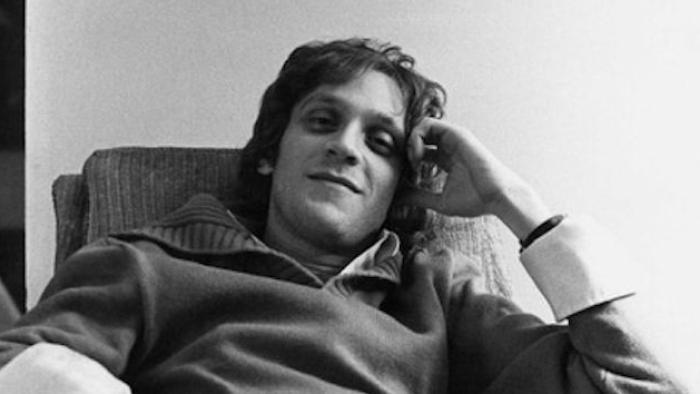
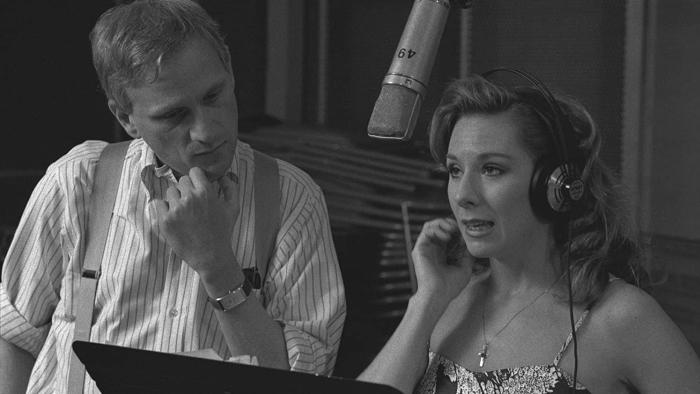
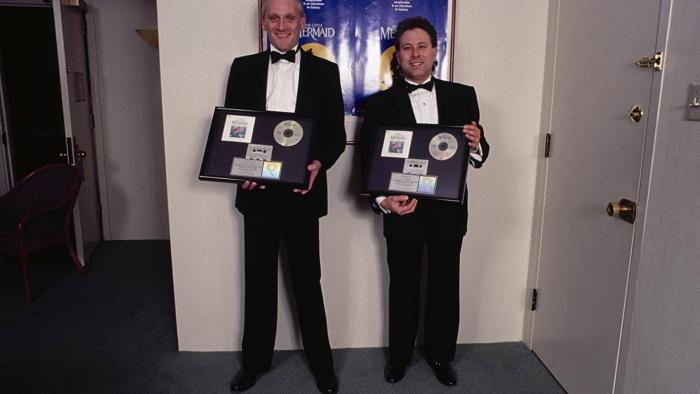
HOWARD mixes archive footage, old photos, and home movies with voiceover interviews to tell the life story of Disney lyricist Howard Ashman. Ashman died young of AIDS, but accomplished quite a lot in his 39 years. His personality and story are described by those closest to him, including his mother, sister, colleagues, lovers, and friends. The film begins with his childhood in Baltimore, where he displayed a prodigious imagination and knack for storytelling, then traces his first real steps into the theater as a child, during college, and as a young man in New York City. After early success, Ashman is recruited by Disney to work as a lyricist on animated films like The Little Mermaid, Aladdin, and Beauty and the Beast. The film delves into his gift for evoking character and story through his song lyrics, especially in collaboration with musician Alan Menken. Just as he's reaching the pinnacle of success, including an Oscar, Ashman is diagnosed with AIDS. Behind-the-scenes glimpses of the creative process at Disney are contrasted with Ashman's physical decline due to AIDS. He died young, but his movies live on.
Is It Any Good?
It's no easy task to tell a person's life story in an hour and a half, and filmmakers have attempted to do this in a variety of ways. In Howard, director Don Hahn uses old photos of people and places, together with archive recordings from Howard Ashman's life, to try to let the subject speak for himself. Hahn combines this archive material with a variety of interviews with the people closest to Ashman, including his sister, mother, best friend, lover, and colleagues. You definitely leave the film with a sense of who Ashman was, how he was formed, and what his life and work meant to those around him.
Interestingly, there are no talking heads in Howard, except in the archive footage. Hahn uses the interviews as voiceover narration only. This keeps the piece visually interesting and focused on the past, when Ashman was alive, though viewers may miss seeing the speakers as they are today. Hahn also takes a bit of a risk with some staged scenes, including a child's room with toys casting long shadows used to evoke Ashman's early gift as a storyteller, and an empty auditorium where Ashman gave an on-stage interview the very night he found out he was sick. These feel a little odd at first, but they turn out to be the most memorable images after the film ends, their symbolism lingering on.
Talk to Your Kids About ...
Families can talk about the process of creating music for animated films, as depicted in Howard. How big of a role does music play in animated films?
Except for archive footage of past interviews, we don't see the people interviewed in this film while they're talking. What do you think of this decision by the filmmaker?
What did you already know about the outbreak of and controversy surrounding the AIDS epidemic in the 1970s and 1980s? Where can you go for more information?
What surprised you most about Howard Ashman's life story?
Movie Details
- On DVD or streaming : August 7, 2020
- Cast : Howard Ashman , Sarah Gillespie , Jeffrey Katzenberg
- Director : Don Hahn
- Studio : Disney+
- Genre : Documentary
- Topics : Arts , Friendship
- Run time : 95 minutes
- MPAA rating :
- Last updated : September 30, 2025
Did we miss something on diversity?
Research shows a connection between kids' healthy self-esteem and positive portrayals in media. That's why we've added a new "Diverse Representations" section to our reviews that will be rolling out on an ongoing basis. You can help us help kids by
Suggest an Update
Common Sense Media's unbiased ratings are created by expert reviewers and aren't influenced by the product's creators or by any of our funders, affiliates, or partners.
See how we rate