








Common Sense Media Review
 By Jose Solis
,
based on child development research. How do we rate?
By Jose Solis
,
based on child development research. How do we rate?
Docu about kidnapping includes disturbing descriptions.
Parents Need to Know
Why Age 13+?
Any Positive Content?
Where to Watch
Videos and Photos

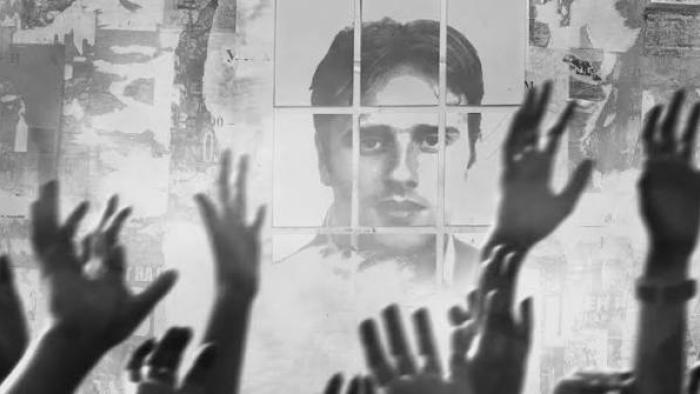
Miguel Ángel Blanco: The 48 Hours That Changed Spain
Parent and Kid Reviews
What's the Story?
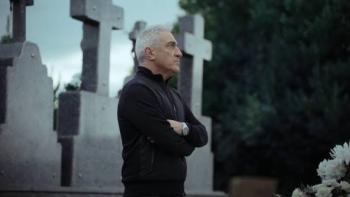
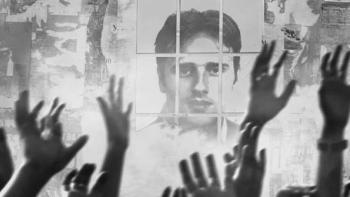
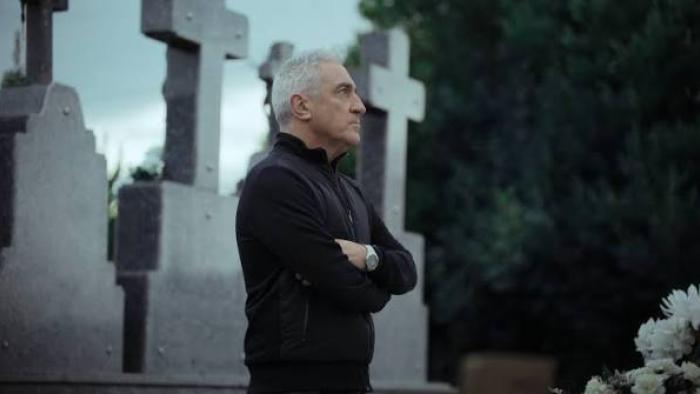
MIGUEL ÁNGEL BLANCO: THE 48 HOURS THAT CHANGED SPAIN reconstructs the two days in July 1997 when the terrorist group ETA kidnapped Basque town councilman Miguel Ángel Blanco and issued an ultimatum to the Spanish government. Journalist Jon Sistiaga, who covered the events firsthand as a young reporter, narrates the story using archival footage and new interviews with over 30 people connected to the case, including María del Mar Blanco, King Felipe VI, former Spanish president José María Aznar, and others who held positions of responsibility during the crisis.
Is It Any Good?
This is a fine documentary that's content to record rather than to dig. Miguel Ángel Blanco: The 48 Hours That Changed Spain functions as a piece of historical memory keeping, and a valid condemnation of ETA's terror, but it rarely goes beyond what anyone following the case already knows, playing out more like a Wikipedia entry brought to life than a piece of filmmaking with something to say. The choice to have Jon Sistiaga narrate, given that he covered the story firsthand as a young reporter who was the same age as Miguel Ángel Blanco, could have opened up something genuinely reflective about how the events shaped him and the country around him, but the film keeps repeating that parallel without ever pushing into what it actually means, leaving it as a detail rather than a lens.
King Felipe VI's presence will draw plenty of attention since it's his first documentary interview, though monarchs tend to speak from a place of practiced diplomacy, and beyond the novelty of hearing him at all, his testimony never goes particularly deep. The same surface-level treatment extends to the press harassment the film shows the Blanco family enduring, presented without any journalist reflecting on what that pursuit meant or cost. The countdown structure works well enough dramatically, since the outcome is already known and the tension comes from the reconstruction itself, and the blend of archival footage with present-day testimony holds together smoothly. What lingers isn't anything the film explicitly argues, but a stranger, unintentional observation: how ordinary life kept moving around a kidnapping and murder unfolding in real time. The documentary never asks what that says about the country, settling instead for showing what happened rather than questioning why Spain found itself there in the first place.
Talk to Your Kids About ...
Families can talk about why it matters to preserve accurate historical records of painful events, even decades later. Why do you think this story still matters almost 30 years on?
The film shows millions of people taking to the streets in response to this kidnapping. What does it look like when a community responds to violence with collective action instead of fear?
Some journalists are shown pursuing the Blanco family aggressively during their grief. Where do you think the line is between the public's right to know and a family's right to privacy?
Movie Details
- On DVD or streaming : July 10, 2026
- Cast : Jon Sistiaga , King Felipe VI of Spain , Mari Mar Blanco
- Directors : Juanjo López , Jon Sistiaga
- Studio : Netflix
- Genre : Documentary
- Topics : History , Activism ( Civic engagement )
- Character Strengths : Compassion , Empathy
- Run time : 93 minutes
- MPAA rating :
- Last updated : July 21, 2026
Did we miss something on diversity?
Research shows a connection between kids' healthy self-esteem and positive portrayals in media. That's why we've added a new "Diverse Representations" section to our reviews that will be rolling out on an ongoing basis. You can help us help kids by
Suggest an Update
Common Sense Media's unbiased ratings are created by expert reviewers and aren't influenced by the product's creators or by any of our funders, affiliates, or partners.
See how we rate