







Common Sense Media Review
 By Sandie Angulo Chen
,
based on child development research. How do we rate?
By Sandie Angulo Chen
,
based on child development research. How do we rate?
Despite talented cast, drama is a misguided look at autism.
Parents Need to Know
Why Age 13+?
Any Positive Content?
Where to Watch
Videos and Photos


Music
Parent and Kid Reviews
Based on 6 parent reviews
Based on 37 kid reviews
Kids say that this movie has received overwhelmingly negative criticism, particularly from the autistic community, for its harmful and inaccurate portrayal of autism, featuring a neurotypical actress in the lead role and promoting dangerous stereotypes and practices. Reviewers express disgust at the film's ableist messages, chaotic visuals, and lack of authentic representation, stating that it misrepresents the autistic experience and is detrimental to its audience.
- ableism
- poor representation
- harmful portrayal
- inaccurate depiction
- avoid watching
 Summarized with AI
What's the Story?
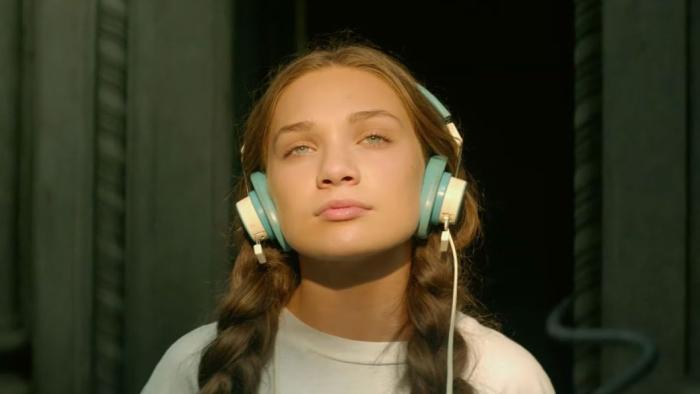
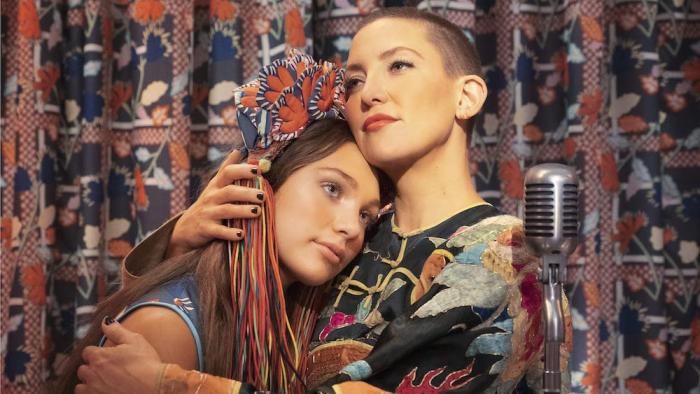
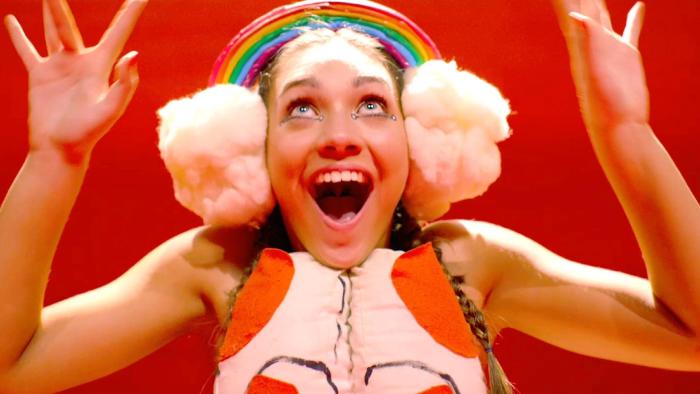
In Sia's directorial debut, MUSIC, a teen with autism named Music (Maddie Ziegler) is placed in the care of her much older sister, Zu (Kate Hudson), after a death in their family. Once Zu, who's in recovery from a substance addiction, moves in with Music, it's clear Zu doesn't know how to properly care for her. Kind-hearted neighbor Ebo (Leslie Odom Jr.), who lives down the hall, and apartment superintendent George (Hector Elizondo) try their best to help the sisters. What neither of them knows is that Music, who's nonverbal, has a colorful, musical inner/fantasy life, where she dances to complicated choreography and incorporates Zu, Ebo, and others. Things get increasingly complicated as Zu balances her shady job with being Music's guardian.
Is It Any Good?
Although its colorful, trippy song-and-dance numbers could delight fans of Sia and her talented cast, this movie is ultimately over-the-top and borderline offensive. Music has been loudly criticized for its depiction of prone restraint to subdue someone with autism: It's portrayed here as a common technique for handling Music but is actually dangerous, traumatic, and in some cases even lethal. There's also the fact that Ziegler, who's a neurotypical dancer-turned-actor, as well as Sia's self-described muse, was cast to play Music instead of a neurodiverse performer. But even worse is the way that Music has little agency in her own story outside of her reveries. She's yet another disappointing example of a marginalized character whose sole purpose is to change another character for the better -- in this case, Zu. Meanwhile, Ebo narrowly escapes another stereotype as a saintly, almost magical Black man whose chief goal seems to be to help the White sisters down the hall.
Hudson plays against type rather unconvincingly (even with the shaved head and wardrobe mostly consisting of sports bras and cut-off shorts). She does the peppy, life-of-the-party parts right but isn't believable as a gritty recovering addict who still sells drugs for quick cash. Ziegler is wonderful in the dance sequences, but her performance as Music is difficult to watch. There's a wrongness to the entire film that goes beyond the discussion of able-bodied or neurotypical actors taking away jobs from disabled or neurodiverse performers. For a much more insightful and poignant exploration of nonverbal autistic young adults, skip this and watch The Reason I Jump instead. Sia, no doubt, will survive the criticism of Music and go on to make another musical that's zany, colorful, and meaningful; this, however, is not it.
Talk to Your Kids About ...
Families can talk about the depiction of drugs/drug use in Music. Are there consequences for the sale or use of drugs? What are the moral implications of donating illegally purchased drugs to impoverished countries?
The movie has been criticized for various reasons, one of them being the casting of a neurotypical person to play someone with autism. Why is authentic representation important? Who bears more of the responsibility to make sure this happens: a filmmaker or an actor?
How does the movie illustrate the importance of communication? Why is the ability to communicate so central to the human experience?
Why are compassion and empathy important character strengths? Who displays them in the story?
Movie Details
- In theaters : February 12, 2021
- On DVD or streaming : February 12, 2021
- Cast : Kate Hudson , Leslie Odom Jr. , Maddie Ziegler
- Director : Sia
- Studio : Vertical Entertainment
- Genre : Musical
- Topics : Family Stories ( Siblings ) , Friendship , Arts ( Music and Sing-Along )
- Run time : 107 minutes
- MPAA rating :
- MPAA explanation : thematic content, drug material, brief violence and strong language
- Last updated : October 9, 2025
Did we miss something on diversity?
Research shows a connection between kids' healthy self-esteem and positive portrayals in media. That's why we've added a new "Diverse Representations" section to our reviews that will be rolling out on an ongoing basis. You can help us help kids by
Suggest an Update
Common Sense Media's unbiased ratings are created by expert reviewers and aren't influenced by the product's creators or by any of our funders, affiliates, or partners.
See how we rate