






Common Sense Media Review
 By Renee Longstreet
,
based on child development research. How do we rate?
By Renee Longstreet
,
based on child development research. How do we rate?
Cautionary tale of teen domestic violence is intense, sad.
Parents Need to Know
Why Age 13+?
Any Positive Content?
Where to Watch
Videos and Photos


No One Would Tell
What's the Story?
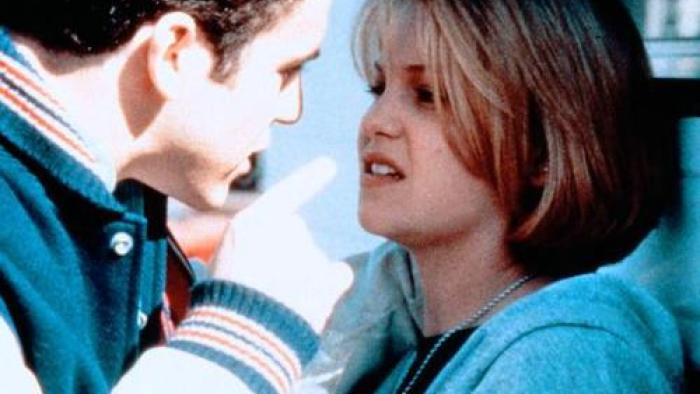
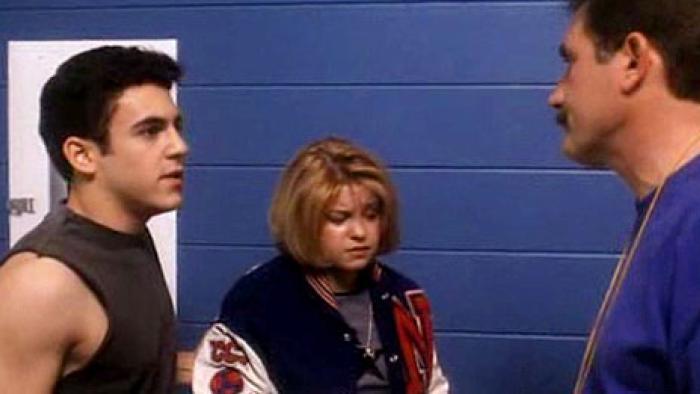
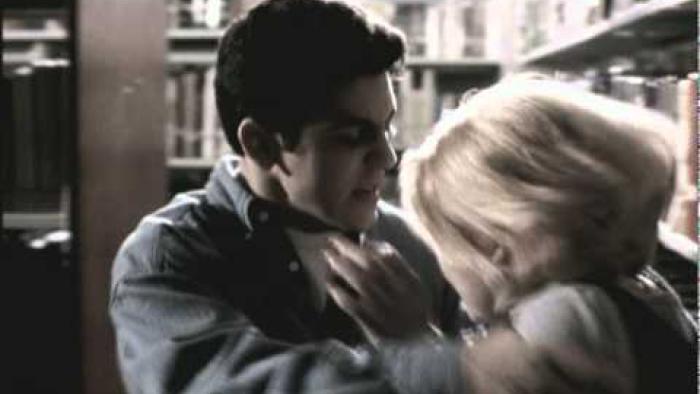
Bobby Tennison (Fred Savage) is a good-looking, popular high school wrestler in NO ONE WOULD TELL. It's no wonder that Stacy Collins (Candace Cameron) would be at first flattered, then overjoyed that this magnetic hero would be interested in her. Living with a single mom (Michelle Phillips) who allows her own controlling boyfriend to call the shots, Stacy is vulnerable to Bobby's charm and finds herself quickly falling hard. But Bobby is not at all what he seems. Coming from a dysfunctional family himself, Bobby is domineering, possessive, and volatile. What starts as shoving moves quickly to more brutal behavior. Stacy is soon caught in a tragic cycle of Bobby's irrational, violent actions and then his pathetic, self-serving apologies. Before long, despite warnings from her best friends, Stacy's bruises and emotional fragility become increasingly evident to those friends, Bobby's friends, and even Stacy's mother. But it's 1996, teen abusive behavior is rarely acknowledged, and nor are interventions the norm; even Bobby's high school wrestling coach opts not to "notice" what's happening. When Stacy finally recognizes the danger she's in and takes a firm stand, Bobby becomes increasingly unhinged and dangerous.
Is It Any Good?
The film's dated predictability and simplistic, one-dimensional characters make it hard to recommend. It must have been startling for fans to see Fred Savage, America's beloved TV boy-icon from The Wonder Years, cast in the role of a buff high school wrestling competitor in this 1996 television movie -- and shocking that he plays an obsessive, psychotic teen domestic abuser. The film was perhaps groundbreaking at a time when high school partner abuse was not an issue at the forefront of U.S. culture, but needed to be, so modern audiences may find its familiar psychological profiles of abuser and victim and the story's by-the-numbers plotting less than satisfying. In its favor, the movie carries important, always relevant messages about the reporting of abuse and intervention. Filmmakers took care to keep the savage violence off-camera and were still able to convey the horrors of a young girl in a terrible situation, refusing to ask for help because of her need to feel loved.
Talk to Your Kids About ...
Families can talk about what steps should be taken to intervene if you're aware of an abusive situation. Whom could you go to for help? How can you protect yourself from physical danger or mental repercussions? What if, like Stacy, the victim doesn't seem to want help?
Why do you think that Bobby's friends don't take action? What are they afraid of? How much does "being liked" affect your day-to-day decision making? Does knowing that just about everyone worries about being liked make it easier to act?
What part does low self-esteem play in an abusive relationship? For the victim? For the abuser? What and/or who helps build self-esteem for most people?
Movie Details
- In theaters : May 7, 1996
- On DVD or streaming : June 13, 1999
- Cast : Fred Savage , Candace Cameron , Michelle Phillips
- Director : Noel Nosseck
- Studio : Von Zerneck Sertner Films
- Genre : Drama
- Topics : School ( High School )
- Run time : 88 minutes
- MPAA rating :
- Last updated : October 1, 2025
Did we miss something on diversity?
Research shows a connection between kids' healthy self-esteem and positive portrayals in media. That's why we've added a new "Diverse Representations" section to our reviews that will be rolling out on an ongoing basis. You can help us help kids by
Suggest an Update
Common Sense Media's unbiased ratings are created by expert reviewers and aren't influenced by the product's creators or by any of our funders, affiliates, or partners.
See how we rate