







Common Sense Media Review
Moving, Oscared '90s drama fostered AIDS empathy.
Parents Need to Know
Why Age 14+?
Any Positive Content?
Where to Watch
Videos and Photos


Philadelphia

Parent and Kid Reviews
Based on 2 parent reviews
Based on 11 kid reviews
Kids say this movie presents a deep and emotional exploration of AIDS and gay prejudice, featuring outstanding performances by Tom Hanks and Denzel Washington. While the film's mature themes and strong language are noteworthy, it carries a powerful message about acceptance and love that resonates particularly well with older teens and adults.
- emotional depth
- mature themes
- outstanding performances
- acceptance message
- appropriate for teens
 Summarized with AI
What's the Story?
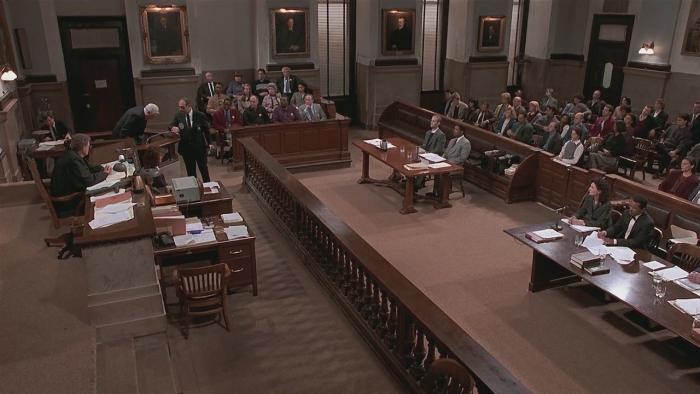
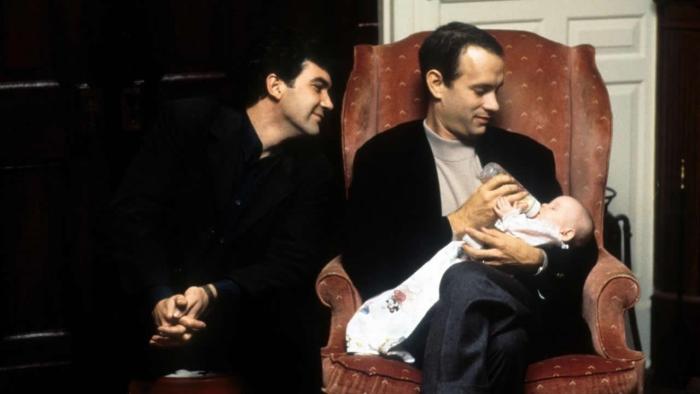
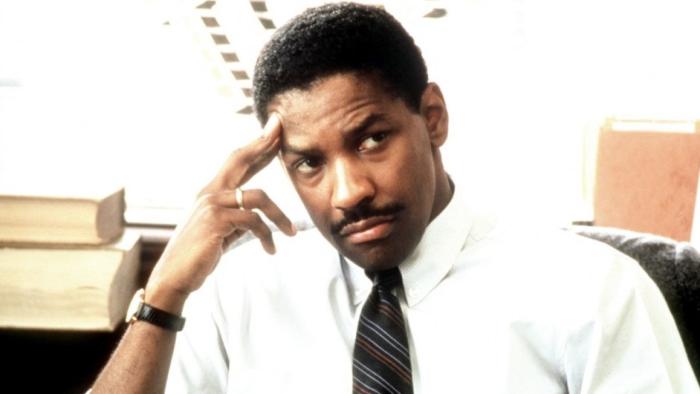
Attorney Andy Beckett (Tom Hanks) is rising up the ranks at his prestigious law firm. He balances court hearings, depositions, meetings with the partners, and calls from his mom. But he's also keeping two very big secrets: He's gay and he has AIDS. When Andy gets fired from his job a month after a lesion appears on his forehead, he sues his former employers. He hires black attorney Joe Miller (Denzel Washington) to represent him. Joe's prejudices against homosexuals begin to fade as he begins to see the bigger picture of discrimination. What ensues is a legal battle that puts the way America treats gay people with AIDS on trial, and finds us guilty.
Is It Any Good?
Tom Hanks and Denzel Washington give blockbuster performances in this intense drama with a timely and compelling plot. PHILADELPHIA asks the question of how we treat people who have sexually transmitted diseases, especially AIDS and especially when they're gay. The pacing and structure of the film are designed by director Jonathan Demme to treat the viewer as the jury. The arguments are taut and compelling. And Hanks' gaunt reserve and quiet despair as he loses his battle with the disease are mesmerizing.
Sure, the film is emotionally manipulative, but many great movies are. Yet Andy isn't allowed to be anything less than the patron saint of AIDS victims. What few dark secrets he has are brushed off with the supportive look of his family. Andy is masculine, loved by his family, his partner is accepted by everyone, and Andy is, of course, rich. One wonders how viewers would think of a gay AIDS patient who had been ostracized by his family, who was effeminate, who was poor, and maybe wasn't quite as perfect of a human being. Would he be any less deserving of respect and justice?
Talk to Your Kids About ...
Families can talk about STDs and safe sex. Can you tell who has an STD and who doesn't just by looking at them? What do kids at your school think? Families can also talk about how they feel as a family about gay issues. Do you object when people use anti-gay language at school? Do you feel the way Joe does when people start accusing him of being gay because he represents Andy? Has the social climate changed for gay people and people with AIDS since this movie came out? How has it gotten better and how has it gotten worse? Which people in the public eye are "out" that you're aware of and how are they treated by the media? Do you think they have more pressure than straight famous people?
Movie Details
- In theaters : December 23, 1993
- On DVD or streaming : September 3, 2002
- Cast : Antonio Banderas , Denzel Washington , Tom Hanks
- Director : Jonathan Demme
- Studio : Columbia Tristar
- Genre : Drama
- Run time : 125 minutes
- MPAA rating :
- MPAA explanation : some graphic language and thematic material
- Last updated : July 10, 2026
Did we miss something on diversity?
Research shows a connection between kids' healthy self-esteem and positive portrayals in media. That's why we've added a new "Diverse Representations" section to our reviews that will be rolling out on an ongoing basis. You can help us help kids by
Suggest an Update
Common Sense Media's unbiased ratings are created by expert reviewers and aren't influenced by the product's creators or by any of our funders, affiliates, or partners.
See how we rate