






Common Sense Media Review
 By Kat Halstead
,
based on child development research. How do we rate?
By Kat Halstead
,
based on child development research. How do we rate?
Eerie but empty folk horror has some language, sex, pot use.
Parents Need to Know
Why Age 14+?
Any Positive Content?
Where to Watch
Videos and Photos

Rabbit Trap
Parent and Kid Reviews
What's the Story?
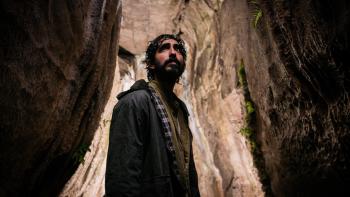
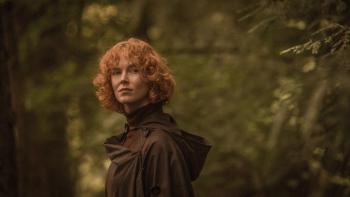
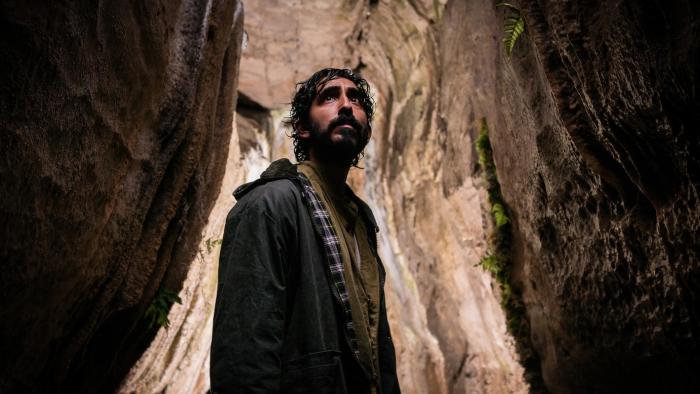
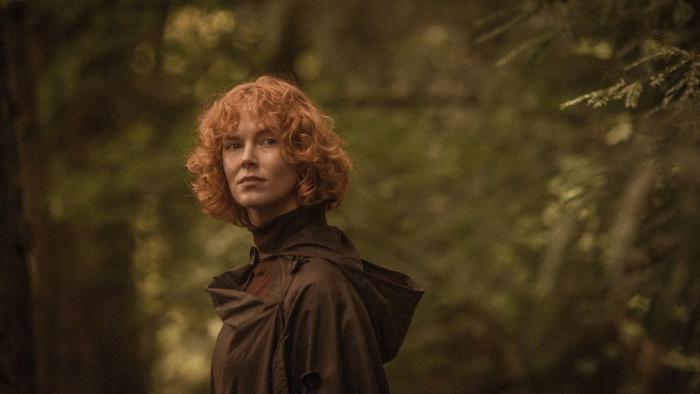
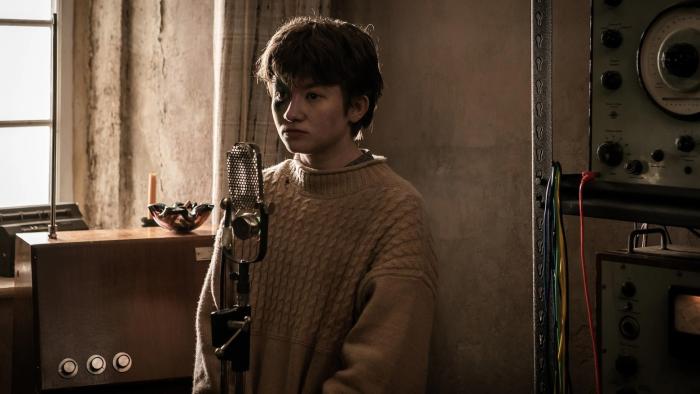
In RABBIT TRAP, married musicians Darcy (Dev Patel) and Daphne (Rosy McEwen) move from London to a remote house in the Welsh countryside to record local sounds for their avant-garde music. As Darcy explores the countryside with his recording device, he's led by eerie whispering sounds to a strange circle of mushrooms. Soon after, a child (Jade Croot) starts to watch their house, and quickly becomes involved in their day-to-day lives. Their ominous presence gradually exposes secrets and rifts, while opening up Darcy and Daphne's minds to a world of local myth.
Is It Any Good?
Focusing on acoustics and the world of natural (and supernatural) sounds, this British folk horror starts with great promise, but quickly loses its way in an atmosphere-soaked but blurry plot. The debut feature film from writer-director Bryn Chainey, Rabbit Trap is certainly eerie, and Croot plays the creepy child to a tee. But elsewhere the nods to the genre feel scattered and the flurry of ideas never quite come together to form a cohesive whole. Patel is as watchable as ever as a dedicated husband haunted by his past, which seems to be catching up with him further every night through terrifying recurring dreams. McEwen is equally solid in her role, though it's difficult to fully grasp any of the characters here. The sound design stands out, as promised from the start, and there are some great visual flourishes—the lush woodlands almost breathe with mythical life, flocks of birds fly in formations, and lights flicker ominously. A voice tells us: "With your eyes you enter the world, with your ears, the world enters you." Here sound leads to the thinning of the veil between our world and the supernatural. There's talk of menacing Welsh fairies, the "Tylwyth Teg," there's visceral yellow goo dripping from windows, and a prominent dead rabbit—which rarely signifies good news in a movie. There's a lot going on, but at the same time, very little. Sadly, what was initially an interesting concept seems to steadily fall down a rabbit hole into dull obscurity.
Talk to Your Kids About ...
Families can talk about whether they found Rabbit Trap scary or not. What tropes of the folk horror sub-genre did you notice? Did you find them scary here? How did it compare to other folk horrors, particularly British ones? What is the appeal of scary movies?
How did the film use sound to build atmosphere? Do you think sound can be used as effectively as visuals in horror movies? Can you think of others where the sound design has been particularly memorable?
How were sex and relationships portrayed? Were they affectionate? Respectful? Parents, talk to your teens about your own values regarding sex and relationships.
Discuss the strong language used in the movie. Did it seem necessary, or excessive? What did it contribute to the movie?
How was smoking, drinking, and drug use depicted in the film? Were they glamorized? Why does that matter?
Movie Details
- In theaters : September 12, 2025
- On DVD or streaming : September 30, 2025
- Cast : Dev Patel , Rosy McEwen , Jade Croot
- Director : Bryn Chainey
- Studio : Magnolia Pictures
- Genre : Horror
- Topics : Activism ( Animal rights , Civic engagement , Climate change ) , Adventures , Animals ( Wild Animals ) , Friendship , STEM ( Nature )
- Run time : 97 minutes
- MPAA rating :
- Last updated : September 8, 2025
Did we miss something on diversity?
Research shows a connection between kids' healthy self-esteem and positive portrayals in media. That's why we've added a new "Diverse Representations" section to our reviews that will be rolling out on an ongoing basis. You can help us help kids by
Suggest an Update
Common Sense Media's unbiased ratings are created by expert reviewers and aren't influenced by the product's creators or by any of our funders, affiliates, or partners.
See how we rate