





Common Sense Media Review
 By Kat Halstead
,
based on child development research. How do we rate?
By Kat Halstead
,
based on child development research. How do we rate?
1970s Oscar-winning drama has language, drug/sex references.
Parents Need to Know
Why Age 14+?
Any Positive Content?
Where to Watch
Videos and Photos


Save the Tiger
Parent and Kid Reviews
What's the Story?
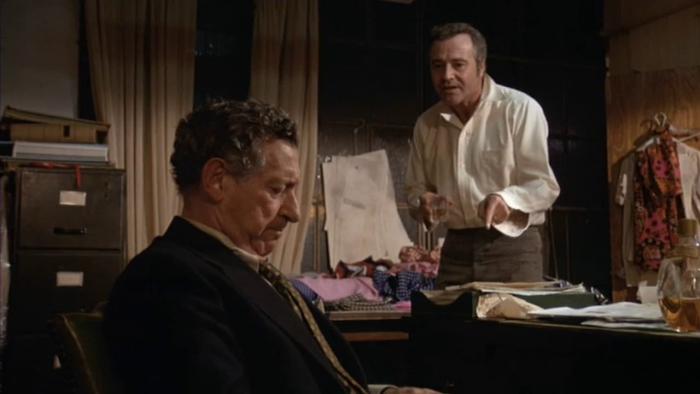
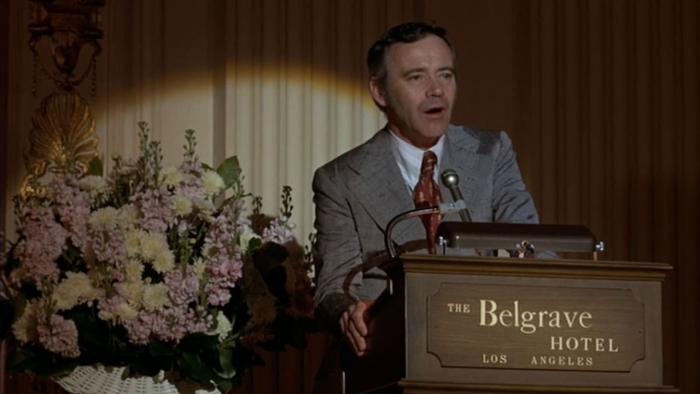
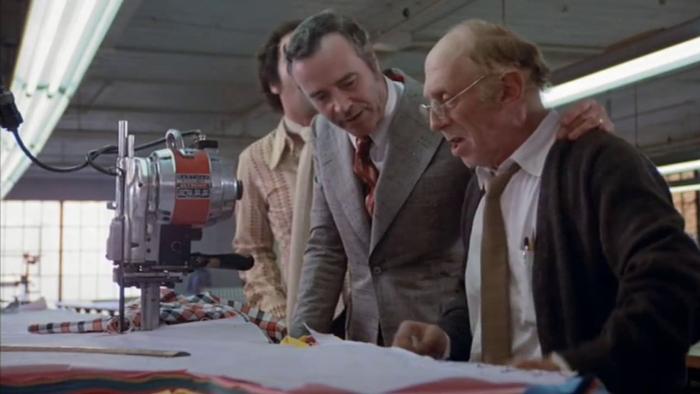
In SAVE THE TIGER, businessman Harry Stoner (Jack Lemmon) is faced with just a few days to save his struggling fashion company. As the pressure mounts, he tries to convince his partner, Phil Greene (Jack Gilford), to go to extreme, illegal measures, all the while doing whatever it takes to keep the "important" people happy and things ticking over.
Is It Any Good?
It's Lemmon's honest performance as a war vet and successful businessman who has slowly seen his sense of purpose and values eroded that keeps this movie on the straight and narrow. For his performance as Harry in Save the Tiger, a man whose "American Dream" turns into a nightmare, Lemmon was a worthy Academy Award winner. Things are never black and white in this 1970s drama as Harry's plan to have a factory burned down to collect the insurance money starts to look vaguely reasonable given his environment, where important buyers demand he plays pimp to their sexual needs and even his moral-compass partner, Phil (Gilford, also Oscar-nominated for his role), talks of previous fraudulent dealings. Visions and flashbacks to wartime trauma add further intensity and disorientation to Harry's experience, and the moments when he slips into reveries of baseball glory days seem to further pull him from a reality that has become increasingly senseless. It's bleak in places, for sure, but the grimy details of the settings and a tour-de-force performance from Lemmon ensure there's enough to pull viewers into a world where moral ambiguity is normalized in a realistic yet fairly hopeless way.
Talk to Your Kids About ...
Families can talk about the way Save the Tiger portrayed success. How do you think Harry's "trappings" of success -- such as his big home, daughter in a Swiss finishing school, and fancy car -- affected the pressure for him to maintain that lifestyle? Can you think of other films that portray the difficulties of living up to the "American Dream" or a lifestyle based on materialistic gain? How do they compare?
Harry appeared to be experiencing symptoms of PTSD. What do you understand PTSD to mean? How did it feel to see his nightmares, visions, and flashbacks on-screen? How did it affect your feeling toward his character, if at all?
Talk about some of the language used. Did it seem necessary or excessive? What did it contribute to the movie?
How was sex portrayed in the movie? Was it affectionate? Respectful? Parents, talk to your teens about your own values regarding sex and relationships.
How was drinking, smoking, and drug use depicted in the movie? Were they glamorized? Were there consequences?
Movie Details
- In theaters : February 14, 1973
- On DVD or streaming : October 25, 2005
- Cast : Jack Lemmon , Jack Gilford , Laurie Heineman
- Director : John G. Avildsen
- Studio : Paramount Pictures
- Genre : Drama
- Run time : 100 minutes
- MPAA rating :
- Last updated : March 7, 2024
Did we miss something on diversity?
Research shows a connection between kids' healthy self-esteem and positive portrayals in media. That's why we've added a new "Diverse Representations" section to our reviews that will be rolling out on an ongoing basis. You can help us help kids by
Suggest an Update
Common Sense Media's unbiased ratings are created by expert reviewers and aren't influenced by the product's creators or by any of our funders, affiliates, or partners.
See how we rate