






Common Sense Media Review
 By Sandie Angulo Chen
,
based on child development research. How do we rate?
By Sandie Angulo Chen
,
based on child development research. How do we rate?
Compelling, entertaining docu about teen science geniuses.
Parents Need to Know
Why Age 8+?
Any Positive Content?
Where to Watch
Videos and Photos


Science Fair
What's the Story?
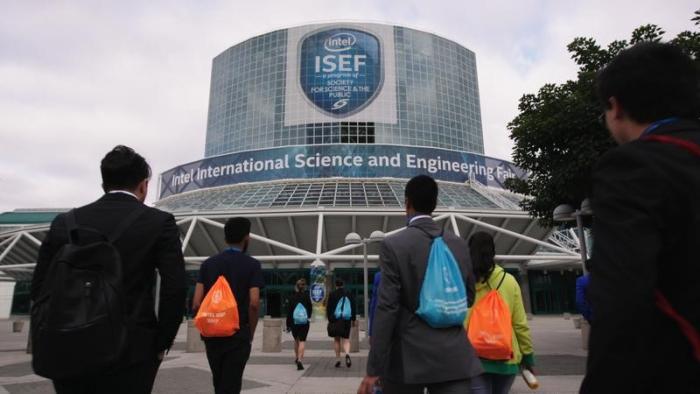
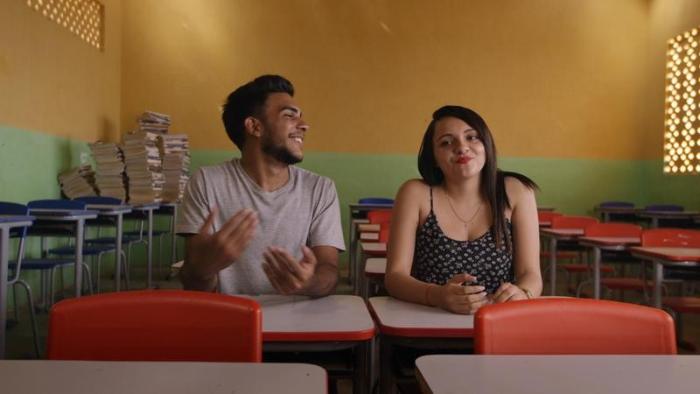
SCIENCE FAIR is a documentary about the Intel International Science and Engineering Fair (ISEF), "the Olympics of science fairs," which takes place annually in the United States and brings together student scientists from around the world. Directed by Cristina Costantini and Darren Foster, the film follows brilliant teen scientists from Kentucky, New York, South Dakota, West Virginia, Brazil, and Germany as they compete against more than 1,700 other entrants from 70 nations at the 2017 ISEF in Los Angeles. The students' backgrounds range from affluent and privileged to first-generation immigrants to impoverished, and their projects span everything from environmental, pharmaceutical, and medical innovations to aviation and artificial intelligence.
Is It Any Good?
This fascinating, inspiring documentary about brilliant teens competing in the Olympics of science fairs should be mandatory viewing for all young students. This is the second documentary (after Inventing Tomorrow) released in 2018 about the illustrious international science competition, and it's just as riveting. Taking a more domestic focus, Science Fair showcases students from across the country (as well as Germany and Brazil), some of whom definitely aren't lacking in confidence or ego (e.g., the 14-year-old junior who waxes poetic about how jealous others are of her many talents and gifts). But her self-possession is well-earned, because the students featured in the film are all intellectual outliers. (Plus, her male classmates, a fun and opposites-attract trio of personalities, provide the documentary with comic relief.)
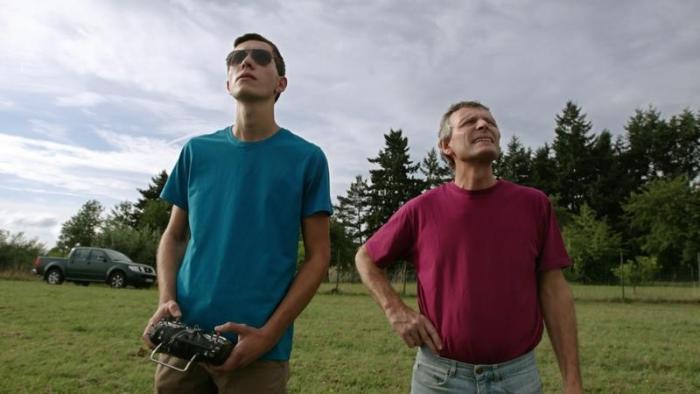
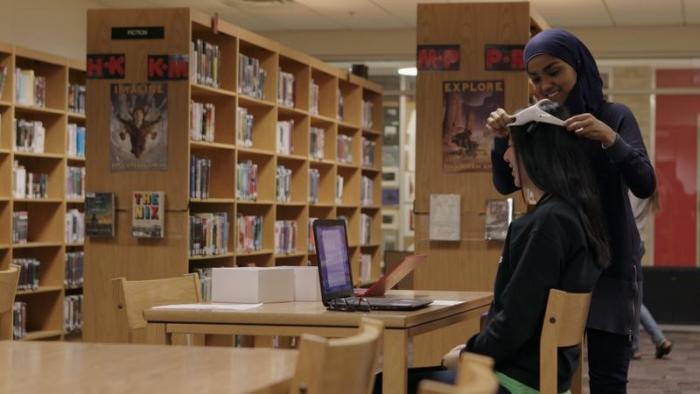
Myllena and Gabriel, who hail from Brazil, are wonderful examples of how even underprivileged kids from the developing world can have a huge impact on the sciences. Their work on a Zika cure is an amazing pharmaceutical discovery. German student Ivo is middle-class, and his project about an improved flying wing is a remarkable aviation innovation. Then there's Kashfia, a hijab-wearing Muslim teen from South Dakota who's all but invisible in her large, sports-dominated high school. Despite qualifying for ISEF before, her school hasn't even acknowledged her with a public announcement, much less the fanfare reserved for athletic teams (even those with losing records). Her neuroscience project about the adolescent brain is, like all the others, an impressive achievement. A Jericho, New York, high school sends several students, all of whom are the children of immigrants, to ISEF. Their teacher/adviser, Dr. McCall, is the kind of superstar educator students remember forever. Not all of the featured entrants "place" or earn awards, but they all move on to bigger and better prospects and reinforce the necessity of stronger STEM education in the United States.
Talk to Your Kids About ...
Families can talk about how the featured students show curiosity, perseverance, and teamwork. Why are these important character strengths? How are the students role models?
What do you think of a female competitor's comment that it's easier for guys to be popular and super smart? Do you think that's true? If so, why or why not?
How does the movie affect your perception of science fairs? Why are they important? Research the Intel International Science and Engineering Fair for more examples of award-winning projects.
What are your thoughts on the South Dakota high school that never acknowledged their ISEF-winning student, while recognizing even losing sports teams? Why do you think sports are held above science in some schools/communities?
Movie Details
- In theaters : September 14, 2018
- On DVD or streaming : November 22, 2018
- Director : Cristina Costantini
- Studio : National Geographic
- Genre : Documentary
- Topics : STEM , Friendship , School ( High School )
- Character Strengths : Communication , Curiosity , Perseverance , Teamwork
- Run time : 90 minutes
- MPAA rating :
- MPAA explanation : some thematic elements and brief language
- Award : Common Sense Selection
- Last updated : September 30, 2025
Did we miss something on diversity?
Research shows a connection between kids' healthy self-esteem and positive portrayals in media. That's why we've added a new "Diverse Representations" section to our reviews that will be rolling out on an ongoing basis. You can help us help kids by
Suggest an Update
Common Sense Media's unbiased ratings are created by expert reviewers and aren't influenced by the product's creators or by any of our funders, affiliates, or partners.
See how we rate