







Common Sense Media Review
 By Jennifer Green
,
based on child development research. How do we rate?
By Jennifer Green
,
based on child development research. How do we rate?
Heartrending docu describes violence, inequality, addiction.
Parents Need to Know
Why Age 15+?
Any Positive Content?
Where to Watch
Videos and Photos



Sentenced



Parent and Kid Reviews
What's the Story?
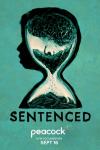
SENTENCED profiles four families marked by the lasting negative impacts of illiteracy. The film, narrated by Stephen Curry, takes us inside the homes of families in Los Angeles, New York, and North Carolina. Adults are interviewed about their experiences in childhood, often traumatic, which led to their illiteracy and accompanying challenges in getting and holding down jobs and securing stable living conditions. Their stories often involve abuse and addiction. Their own children are dragged into the same cycle of poverty, violence, and inequality, despite the best efforts of their parents. The film also offers statistics and data about the prevalence and impact of illiteracy on kids and adults across the United States.
Is It Any Good?
This is a devastating documentary that offers intimate portraits of families in distress and under-resourced, at-risk children. Viewers might wish Sentenced, which promotes individuals getting involved in a literacy program to help children read, offered more by way of solutions at the policy or societal level. That's because the film provides significant statistics to bolster its presentation of the lifelong negative impacts of illiteracy, and the many root causes of kids falling behind in reading at early ages. It will tear your heart out to hear their stories and see how illiteracy, and its accompanying disadvantages, becomes intergenerational. Can't we do more as a society to tackle this injustice?
The statistics aren't woven into the narrative in an especially artful or cinematic way, but they are brought to vivid life through the individual portrayals. We see firsthand how childhood trauma, absent parents, and missed school days have led the diverse selection of profiled adults to more difficult lives, from health problems to addiction issues to persistent poverty and unemployment. Even though they themselves are loving parents, their children are already at a disadvantage, like one who must miss school to take his mother to daily methadone treatments. All of the people profiled deserve better, and their stories will stay with you.
Talk to Your Kids About ...
Families can talk about how the subjects in Sentenced demonstrate perseverance despite their many disadvantages stemming from childhood trauma and illiteracy. Do you find it brave of them to share their stories on film?
The film shares quite a lot of statistics about the negative lifelong impact of kids falling behind in reading in early life. Which statistics or trends stood out to you most?
How could you make a difference in ending the cycle of illiteracy-associated inequality depicted in this film? Where can you find out more information about the literacy program mentioned at the end?
In what ways are the children of the adults profiled also at a disadvantage? What examples can you recall from the film?
Why is the involvement of Stephen and Ayesha Curry important for a film like this? What impact might their high-profile names have on the documentary's production, distribution, and promotion?
Movie Details
- On DVD or streaming : September 23, 2024
- Cast : Stephen Curry
- Directors : Mark Allen Johnson , Connor Martin
- Studio : Peacock
- Genre : Documentary
- Topics : Activism
- Character Strengths : Perseverance
- Run time : 71 minutes
- MPAA rating :
- Last updated : September 18, 2025
Did we miss something on diversity?
Research shows a connection between kids' healthy self-esteem and positive portrayals in media. That's why we've added a new "Diverse Representations" section to our reviews that will be rolling out on an ongoing basis. You can help us help kids by
Suggest an Update
Common Sense Media's unbiased ratings are created by expert reviewers and aren't influenced by the product's creators or by any of our funders, affiliates, or partners.
See how we rate