






Common Sense Media Review
 By Barbara Shulgasser-Parker
,
based on child development research. How do we rate?
By Barbara Shulgasser-Parker
,
based on child development research. How do we rate?
Broken sisters reconnect in time of grief; language, death.
Parents Need to Know
Why Age 14+?
Any Positive Content?
Where to Watch
Videos and Photos

Thank You, I'm Sorry

What's the Story?
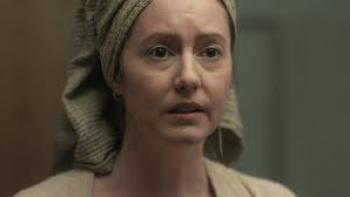
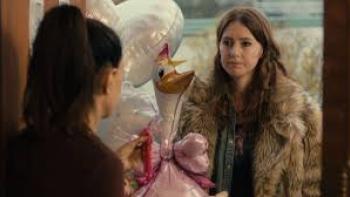
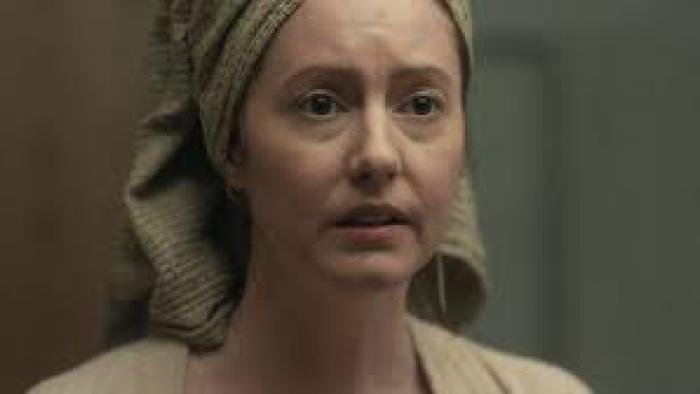
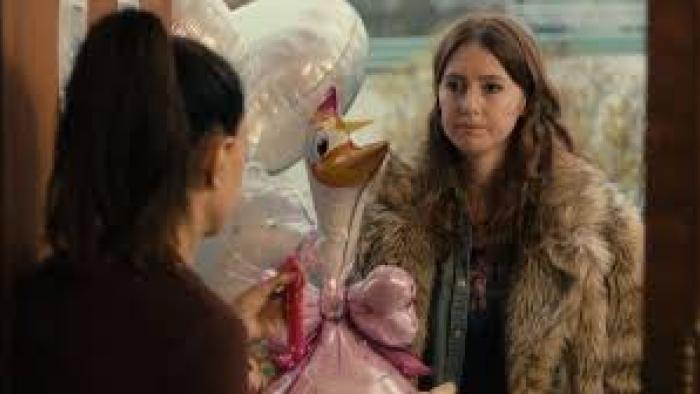
THANK YOU, I'M SORRY is about both the importance of and the uselessness of apology. Sara (Sanna Sundqvist) is eight months pregnant with her second child. Her husband, Daniel, announces one night, through the bathroom door, that he needs time to "think for a while" and is leaving. Before he can do that, he dies in his sleep of an undiagnosed heart condition, hurtling Sara into a depression and sending Daniel's grieving and bossy mother Helen (Ia Langhammer) to her doorstep. Her estranged older sister, Linda (Charlotta Bjorck), a chaotic, sweet, but aimless soul who lives with a self-absorbed abuser, also shows up. Slowly, it is revealed that Sara and Daniel only married because she was pregnant with their now 5-year-old. Sara's kind and insecure mother, we learn, was abused by her adulterous and alcohol-addicted husband. When their parents broke up, Sara stayed with her mother and Linda "abandoned" Sara to stay with the undeserving dad. Both Sara and Linda are broken people struggling with relationships, devoid of joy, and needing care. The film leaves the impression that with age and maturity, the sisters understand and accept how they got to where they are and that despite all that's happened, they still love and need each other.
Is It Any Good?
Thank You, I'm Sorry is certainly heartfelt, but the overwhelming dysfunction of each family member weighs the story down. At times, the filmmakers seem drawn to a comic depiction of all the depressiveness, as grown sisters express their sorrow and frustration by hitting and slapping each other in an absurd frenzy. The presence of a resentful mother-in-law who is both a practicing psychologist and a guilt-mongering scold represents the film's attitude that no one here has mastered the art of living. "Everyone lets you down, and you have to do everything yourself," says the resigned and enraged Sara. When she can articulate the mess she made of her life, she says of her unhappy marriage, "We gave each other a life neither of us wanted."
By the story's end, it feels as if the filmmakers realized that no one can like the main characters, so to make us like them, it seems, they just change their personalities, without providing the eureka moments that might legitimately enlighten and alter them. The story is a tough slog through self-pity as Sara lives in a beautiful house, with food on the table, and apparently enough in the bank to pay the bills. She doesn't seem able to muster any gratitude for her good luck.
Talk to Your Kids About ...
Families can talk about the way that family can come together for support in difficult times, but can also cause deep pain.
The sisters recognize how much they are like their dysfunctional parents. Do you think the sisters forgive the parents? Do you think that helps them be less hard on themselves? Why, or why not?
How does the movie depict therapy, psychology, and its practitioners? The psychologist mother-in-law is laughably judgmental and resentful. What do you think the movie is trying to say about the value of therapy?
Movie Details
- On DVD or streaming : December 26, 2023
- Cast : Sanna Sundqvist , Charlotta Bjorck , Ia Langhammer
- Director : Lisa Aschan
- Inclusion Information : Female Movie Director(s) , Female Movie Actor(s)
- Studio : Netflix
- Genre : Drama
- Run time : 90 minutes
- MPAA rating :
- Last updated : January 17, 2024
Did we miss something on diversity?
Research shows a connection between kids' healthy self-esteem and positive portrayals in media. That's why we've added a new "Diverse Representations" section to our reviews that will be rolling out on an ongoing basis. You can help us help kids by
Suggest an Update
Common Sense Media's unbiased ratings are created by expert reviewers and aren't influenced by the product's creators or by any of our funders, affiliates, or partners.
See how we rate