








Common Sense Media Review
 By Jennifer Green
,
based on child development research. How do we rate?
By Jennifer Green
,
based on child development research. How do we rate?
Potentially upsetting scenarios in WWII Italy-set drama.
Parents Need to Know
Why Age 12+?
Any Positive Content?
Where to Watch
Videos and Photos



The Children's Train
What's the Story?
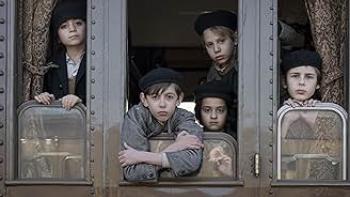
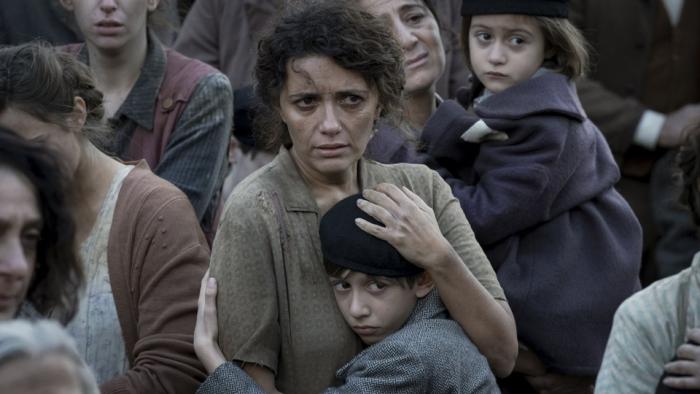
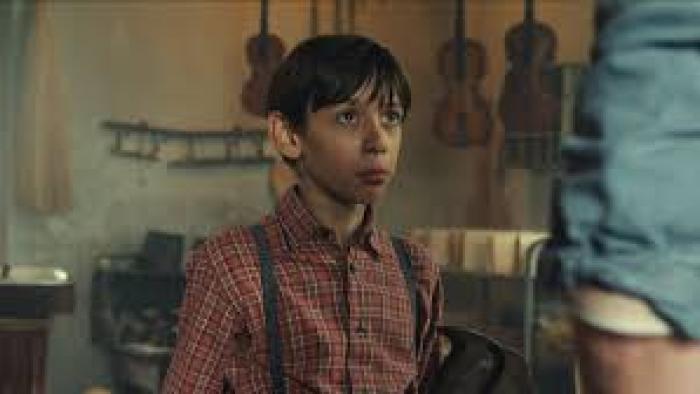
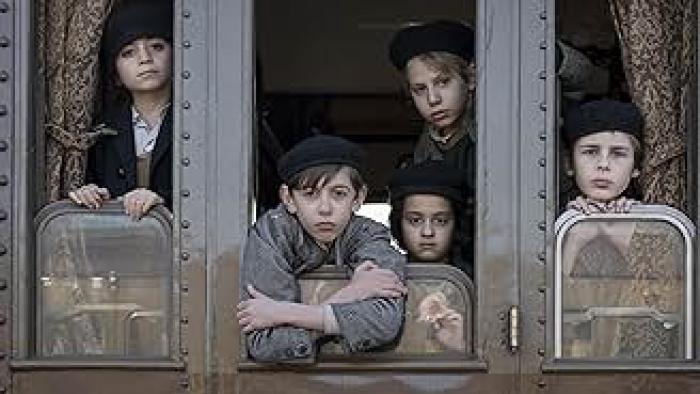
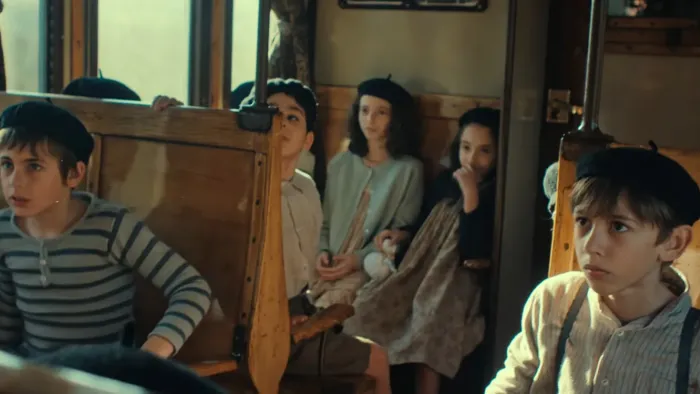
Eight-year-old Amerigo Speranza (Christian Cervone) likes to spend his time making mischief with his friends in THE CHILDREN'S TRAIN (Il Treno dei Bambini). But Amerigo is no average boy, and his surroundings are anything but typical: We meet him in 1944 Naples, which is being shelled by Allied forces, forcing families to subsist on very little. Amerigo is skin and bones, and his mother (Serena Rossi), despite talent and beauty, struggles to put food on the table. Along with other parents, she makes the difficult decision to send tiny Amerigo away for the duration of the war, to live with a family in northern Italy. There, he bonds with a single woman named Derna (Barbara Ronchi), and he learns what peace and stability can offer families, especially children.
Is It Any Good?
This poignant film about family, love, war, and loss is a throwback in style and subject matter to similarly sentimental fare out of Europe from several decades ago. The Children's Train is reminiscent of 1990s-era Italian classics like Cinema Paradiso, Life Is Beautiful and Malena in narrative style and a somewhat wistful portrayal of mid-century Italy. Life was harsh in wartime: illiteracy, poverty, hunger, and death. But the portrayal on-screen softens that harshness through the lens of a child's more innocent perspective. Color schemes in Train also soften, from the crisp modern day to the pastels of the Mediterranean flashbacks and the natural hues of the inland north, where 8-year-old Amerigo finds a new life. The music complements these tonal changes.
Based on true events of children sent to live with families while waiting out the bombing of Naples in the mid-1940s, the film shows a sensitive boy's life as being marked by women. Absent their men sent to war, women kept families and societies functioning. Amerigo's birth mom does what she has to do to put food on the table. She tells her son—whose name sounds like "America" (and whose last name translates to "hope")—that his father is in America seeking his fortune. In Cinema Paradiso, the fatherless child imagines his dad to be Clark Gable, and cinema is used as a metaphor for changing times. In Train, music, an education, and the values of communism and feminism represent the framework for a happy life and a rewarding future, something Amerigo intuitively knows when he makes the heartrending choice to board the train north a second time.
Talk to Your Kids About ...
Families can talk about the actual history behind the fictionalized story of The Children's Train. Where could you go to find more information about these historical circumstances and events?
What do you think about Amerigo's decision at the end of the movie?
How are Amerigo's mother's actions defined by her time and place? Could you empathize with her at all? Explain.
What other films set during World War II have you watched, and how did this one compare?
Movie Details
- On DVD or streaming : December 4, 2024
- Cast : Christian Cervone , Serena Rossi , Barbara Ronchi
- Director : Cristina Comencini
- Studio : Netflix
- Genre : Drama
- Topics : Book Characters , Family Stories ( Siblings ) , History
- Character Strengths : Courage
- Run time : 105 minutes
- MPAA rating :
- Last updated : September 18, 2025
Did we miss something on diversity?
Research shows a connection between kids' healthy self-esteem and positive portrayals in media. That's why we've added a new "Diverse Representations" section to our reviews that will be rolling out on an ongoing basis. You can help us help kids by
Suggest an Update
Common Sense Media's unbiased ratings are created by expert reviewers and aren't influenced by the product's creators or by any of our funders, affiliates, or partners.
See how we rate