






Common Sense Media Review
 By Tara McNamara
,
based on child development research. How do we rate?
By Tara McNamara
,
based on child development research. How do we rate?
Anti-"woke" docu raises questions, shows violent incidents.
Parents Need to Know
Why Age 14+?
Any Positive Content?
Where to Watch
Videos and Photos


The Coddling of the American Mind
Parent and Kid Reviews
What's the Story?
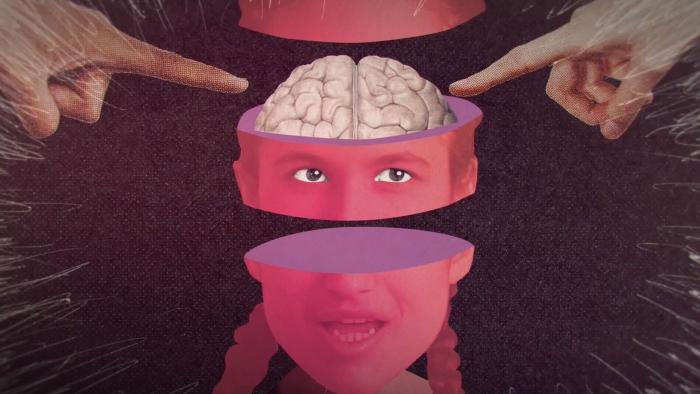
Based on the same-named book by University of New York social psychology professor Jonathan Haidt and president of the Foundation of Independent Rights and Expression (FIRE) Greg Lukianoff, THE CODDLING OF THE AMERICAN MIND explores why youth mental health and suicide rates have dramatically spiked since 2012. Haidt and Lukianoff surmise that it's the good intentions—and bad ideas—of trusted adults that have led young people to feel fragile and unable to face the world, particularly in the manifestation of social media, overprotective parenting, and DEI (diversity, equity and inclusion) programs. They argue that well-meaning adults have trained a generation to see themselves as "fragile," warned them against trusting their feelings, and shared the dangers of an "us versus them" attitude.
Is It Any Good?
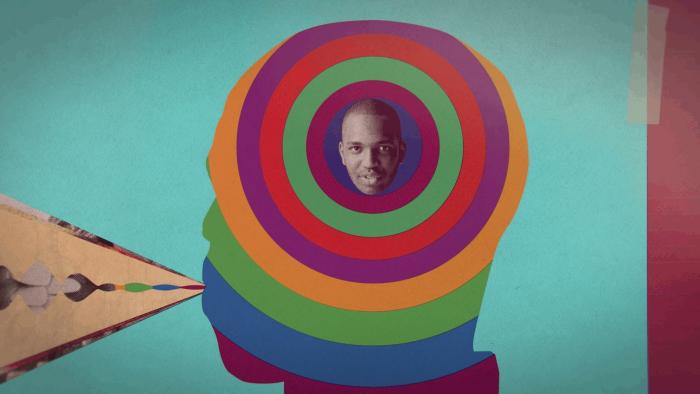
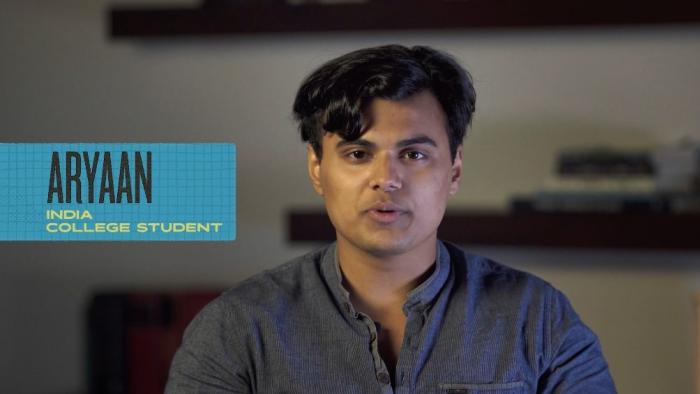
This documentary presents some interesting "nonpartisan" food for thought, but be careful not to swallow it whole: Just because it's served with confidence doesn't mean it's fully cooked. For instance, The Coddling of the American Mind shows five diverse college students concluding that DEI programs and "woke" thinking are causing them to be unhappy, even suicidal—which conveniently distracts from the fact that the filmmaker and the authors shaping the film's anti-DEI analysis are all straight, White, American-born men. Could it be that they found a handful of students who echoed their perspective, rather than a genuinely representative slice of students at liberal arts colleges? Additionally, the film pins the rising anxiety of Gen Z on the overprotective parenting that began in the 1990s, with the assertion that this led to youth seeing themselves as "fragile." But three of the five featured college students grew up in Africa or India, where "helicoptering" isn't really known to apply. Further, the documentary argues that cancel-happy students can't really be blamed, since they're under the influence of their parents and professors. But that just feels like cognitive dissonance: A 13- to 20-year-old following the mindset and orders of parents and other adults? Have these men raised a teenager?
Beyond the holes in the docu's tenets, there are other tactics that seemed designed to skew viewers' opinions. One example: A couple of the students frequently refer to a training video about microaggressions that they say trained them to see interactions that followed as offensive. No doubt, that was their experience, but what's the context of this video? We don't know, but it seems likely that it was shown as a way to make viewers think about how they treat others, rather than intended to teach viewers to receive questions or comments with offense. The film's overall suggestion is that we relax and look at the intent in others' comments, yet this may very well be an example in which the intent was positive. Watching Coddling, which suggests that woke culture may be cannibalizing itself and that parents should do better, certainly brings up material for a dinner-table debate—just remember to take all of it with a grain (or spoonful) of salt.
Talk to Your Kids About ...
Families can talk about the arguments made in The Coddling of the American Mind. Did they convince you? What factors not mentioned in the documentary could have also contributed to the societal behaviors discussed here? Is this education, or propaganda? What's the difference?
What's the difference between a broadcast news segment and a documentary? Did the filmmakers offer multiple perspectives on all of the "untruths" addressed here? How does the film use a diverse group of people to send an anti-diversity movement message, and why is that important to its mission? Is that smart, manipulative, both, or something else?
Have you ever felt like you couldn't share your true thoughts or felt afraid to speak up in a crowd for fear of being shamed, accused, or "canceled"? Is there a time when that kind of self-control is important?
Use critical and independent thinking to evaluate The Coddling of the American Mind. Who's offering the information included in the film? How is their own bias baked into the storytelling? How were the interview subjects assembled to deliver the point of view of the filmmaker and the book's authors? Who are the experts, and what are their credentials? What's fact, and what's opinion?
What are "The 3 Great Untruths"? Do you agree with them? When it comes to "not trusting your feelings," how does this correlate with "the inner critic" in our brain? What's the difference between "not trusting your feelings" and "not trusting your gut" or "invalidating feelings"?
Movie Details
- On DVD or streaming : October 17, 2024
- Cast : Jonathan Haidt , Greg Lukianoff
- Director : Ted Balaker
- Studio : Substack
- Genre : Documentary
- Run time : 93 minutes
- MPAA rating :
- Last updated : April 25, 2025
Did we miss something on diversity?
Research shows a connection between kids' healthy self-esteem and positive portrayals in media. That's why we've added a new "Diverse Representations" section to our reviews that will be rolling out on an ongoing basis. You can help us help kids by
Suggest an Update
Common Sense Media's unbiased ratings are created by expert reviewers and aren't influenced by the product's creators or by any of our funders, affiliates, or partners.
See how we rate