







Common Sense Media Review
 By S. Jhoanna Robledo
,
based on child development research. How do we rate?
By S. Jhoanna Robledo
,
based on child development research. How do we rate?
High school comedy is racy but unexpectedly insightful.
Parents Need to Know
Why Age 14+?
Any Positive Content?
Where to Watch
Videos and Photos


The DUFF
Parent and Kid Reviews
Based on 26 parent reviews
Parents say that while the film offers a positive message about self-acceptance and resilience against societal labels, it is marred by excessive sexual content and inappropriate language, leading many to believe it isn't suitable for the suggested age group. Reviews reflect a deep divide, with some appreciating its humor and relatability, while others deem it far too crude and misleadingly rated, causing embarrassment for families who expected a lighter film.
- sexual content
- age appropriateness
- mixed messages
- self-acceptance
- negative portrayal
 Summarized with AI
Based on 60 kid reviews
What's the Story?
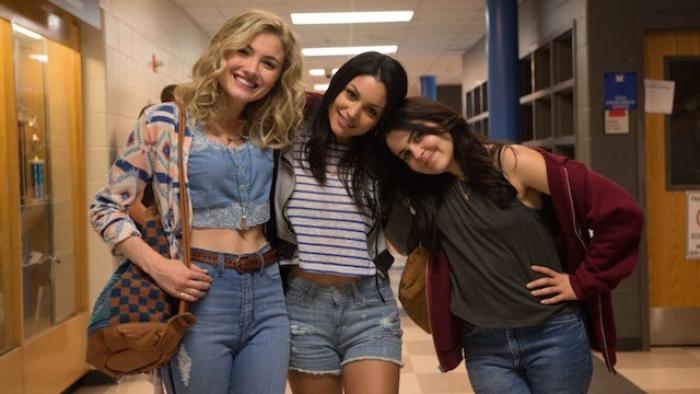
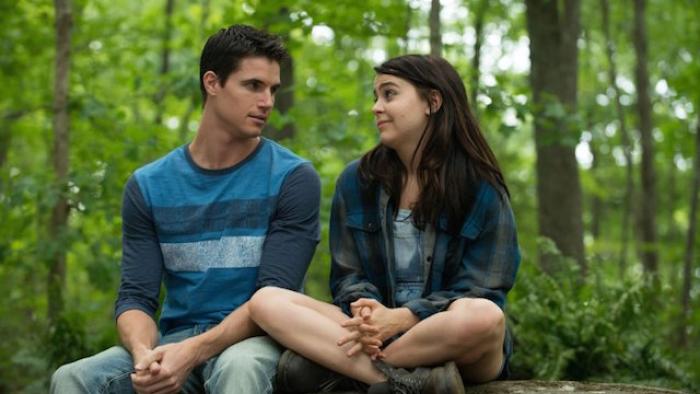
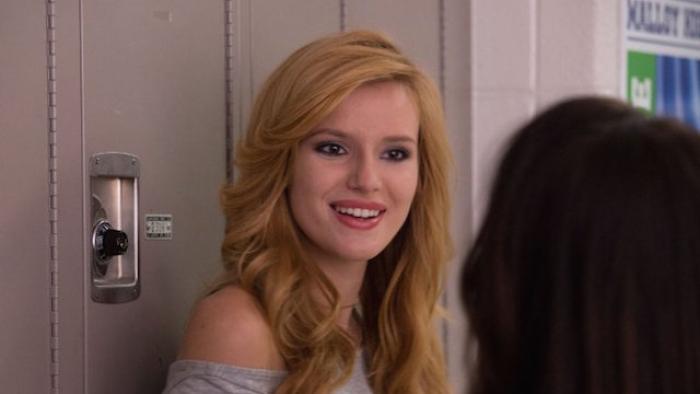
Bianca (Mae Whitman) just found out she's THE DUFF -- aka "the designated ugly fat friend" -- thanks to her childhood pal/next-door-neighbor, Wesley (Robbie Amell), who's one of the most popular athletes at their high school. Determined to catch the eye of her crush, Bianca makes a plan to barter tutoring for Wesley's very specific mentorship in the art of flirting. But plenty of other people at school think that DUFFs should know their place ... and that place is never next to a popular football player.
Is It Any Good?
The DUFF is smart, sassy, and spirited -- exactly what you'd want in a coming-of-age high school movie (as long as you're OK with some crude, racy humor/talk). It also undermines some typical teen-movie stereotypes: The popular girls can be writers and hackers, the football player is kind and sensitive, and the object of a main character's obsession is the sweet, sensitive guitar-playing boy. For this alone The DUFF is a worthy addition to the high school movie canon. Add to that a funny script, an interesting premise, and winning actors, and you have the makings of a teen fave.
Not that the movie doesn't have any problems. For starters, though its main message -- don't let others define who you are -- is empowering to all types of women, it still supposes that you can win the heart of your crush partly by making him see that even if you're not (stereto)typically cute, you're a beauty anyway, inside and out. Why do the externals always need to be part of the equation? Also, parents are still caricatures, as is typical for this genre. Nonetheless, it's lots of fun to watch.
Talk to Your Kids About ...
Families can talk about how The DUFF depicts cliques and stereotypes. Is it similar to other teen movies in that regard or different? Do the characters feel realistic? Do you think they're intended to?
The movie is pretty candid and coarse about what kind of kids are DUFFs. Is that excusable, given the uplifting message at the end of the film? Do you think labels like that are used the same way in real life? What are the consequences of that kind of thinking?
How does The DUFF differ from previous high school movies? Are there cliches? Improvements? What messages do movies in this genre tend to have in common? Are there worthwhile takeaways despite themes about changing yourself to get the guy or girl?
How does the movie handle the topic of cyberbullying? Do you think the incident that takes place is realistic? Teens: How would you and your friends handle something similar in real life?
Movie Details
- In theaters : February 20, 2015
- On DVD or streaming : June 9, 2015
- Cast : Bella Thorne , Mae Whitman , Robbie Amell
- Director : Ari Sandel
- Studio : Lionsgate
- Genre : Comedy
- Topics : Book Characters , Friendship , School ( High School )
- Run time : 101 minutes
- MPAA rating :
- MPAA explanation : crude and sexual material throughout, some language and teen partying
- Last updated : October 9, 2025
Did we miss something on diversity?
Research shows a connection between kids' healthy self-esteem and positive portrayals in media. That's why we've added a new "Diverse Representations" section to our reviews that will be rolling out on an ongoing basis. You can help us help kids by
Suggest an Update
Common Sense Media's unbiased ratings are created by expert reviewers and aren't influenced by the product's creators or by any of our funders, affiliates, or partners.
See how we rate