







Common Sense Media Review
 By Tara McNamara
,
based on child development research. How do we rate?
By Tara McNamara
,
based on child development research. How do we rate?
Intense but uneven historical drama showcases teamwork.
Parents Need to Know
Why Age 9+?
Any Positive Content?
Where to Watch
Videos and Photos


The Great Alaskan Race
What's the Story?
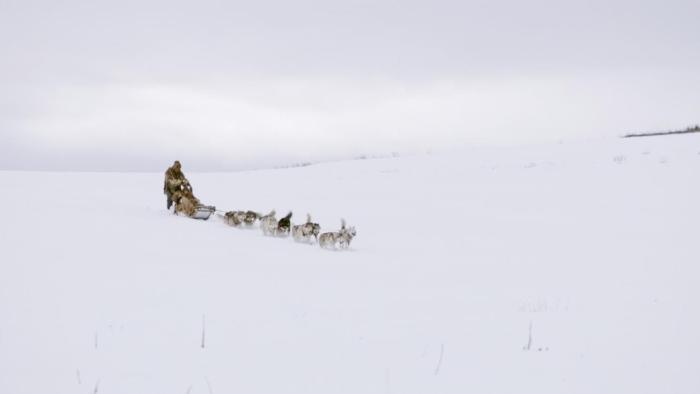
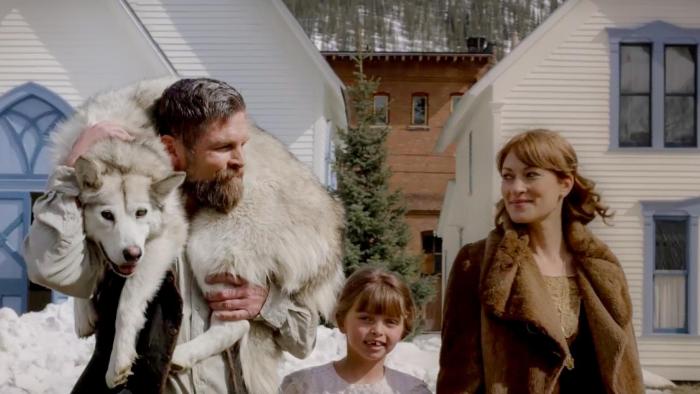
In THE GREAT ALASKAN RACE, a diphtheria outbreak endangers the lives of children in a remote village in Alaska. With his own daughter's life on the line, champion musher Leonhard Seppala (Brian Presley, who also directed, wrote, edited, and produced the film) volunteers to lead a team of sled dogs to transport life-saving medicine across dangerous terrain in the middle of winter. Facing harsh conditions -- including a blizzard -- Seppala and his dog, Togo, face possible death to travel the most treacherous part of the journey, covering 400 of the nearly 700 miles. The film is based on the true story of Alaska's great serum run of 1925.
Is It Any Good?
Presley's filmmaking debut lacks the sophistication to appeal to many adults, but the serum run of 1925 is a fantastic true story, and the movie has enough elements to keep kids captivated. One small but telling example: The actress who plays Seppala's daughter, Sigrid (Presley's own daughter, Emma), sports a front tooth that's half-grown back in. That's a small part of a kid's real life that has perhaps never made it the screen. And, of course, kids always connect to stories about amazing dogs, and movie canines don't get more heroic than Togo and his sled team. Plus, the relationship between "Sepp" and Sigrid is the driving force behind the mission's success, which might help kids feel a connection to a historical miracle. Other positive aspects of the story include the example of how leaders weighed the pros and cons of how to try to get the serum to the village.
That said, knowing that the film appears to be targeted at a family audience makes some of Presley's choices all the more confusing. It's unclear why it was so important for Sepp to kill a bear and drench himself in its blood (it doesn't match the description of the spirit animal believed to bring death). And it's a mystery why a musher would explain in gruesome detail the horrible death a husky will endure if run at certain temperatures ... just before choosing to run them in those same conditions. Puzzlingly, the identity of the narrator who speaks in first person is never explained, nor why he speaks only at the beginning of the film, never to be heard from or acknowledged again. Tweens likely won't notice those pesky details, although they'll definitely recognize that they watched a sad movie, even if the outcome is victorious.
Talk to Your Kids About ...
Families can talk about how The Great Alaskan Race depicts life in Alaska in the 1920s. How have advances in technology, medicine, and transportation improved many people's lives since then?
How do Seppala and the other mushers demonstrate courage, perseverance, and teamwork? Could they have succeeded without those character strengths?
Would you call this a faith-based film? What do you think defines a faith-based film, as opposed to a movie that includes elements of faith?
Movie Details
- In theaters : October 25, 2019
- On DVD or streaming : January 28, 2020
- Cast : Brian Presley , Treat Williams , Brea Bee
- Director : Brian Presley
- Studio : P12 Films
- Genre : Action/Adventure
- Topics : Animals , History
- Run time : 87 minutes
- MPAA rating :
- MPAA explanation : thematic material, brief bloody images, some language and smoking
- Last updated : September 30, 2025
Did we miss something on diversity?
Research shows a connection between kids' healthy self-esteem and positive portrayals in media. That's why we've added a new "Diverse Representations" section to our reviews that will be rolling out on an ongoing basis. You can help us help kids by
Suggest an Update
Common Sense Media's unbiased ratings are created by expert reviewers and aren't influenced by the product's creators or by any of our funders, affiliates, or partners.
See how we rate