







Common Sense Media Review
 By Renee Longstreet
,
based on child development research. How do we rate?
By Renee Longstreet
,
based on child development research. How do we rate?
Chinese biography trades accuracy for grandeur.
Parents Need to Know
Why Age 14+?
Any Positive Content?
Where to Watch
Videos and Photos
The Last Emperor
What's the Story?
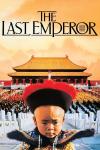
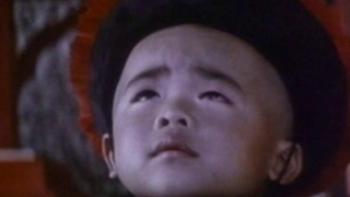
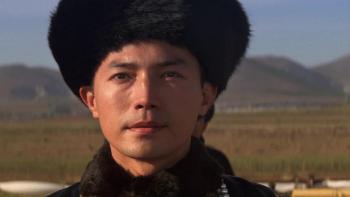
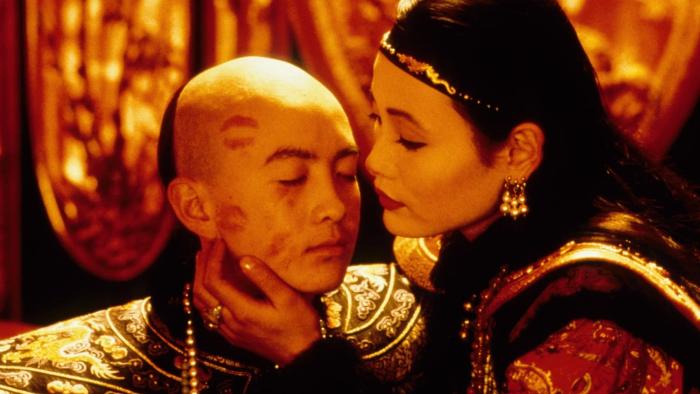
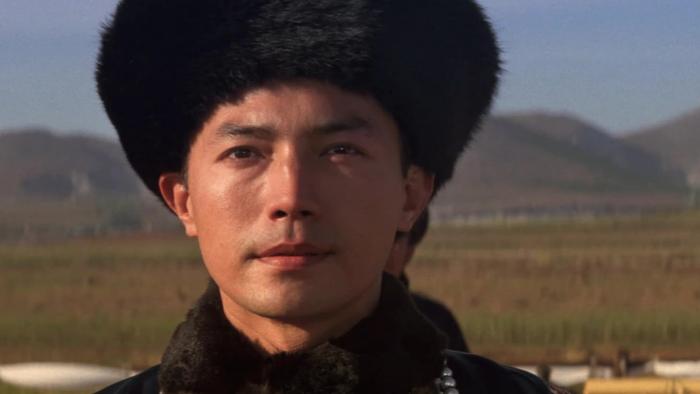
From the age of 3 in 1908, when he's crowned Emperor of China, Puyi lives through the turbulent, vastly changing world of 20th century China. During his early days, he's worshipped, indulged as the child-leader of his people. Political events force him in his teen years to the Forbidden City where, as the exiled sovereign, he lives the same pampered life with no real power. Again political changes move him, this time to Manchuria, where he's a puppet of the Japanese as they prepare to launch what will be World War II. At the end of the war, a nearly broken man, Puyi is captured and sent to a prison camp, held by the Chinese Communists as a war criminal. THE LAST EMPEROR follows Puyi, his supporters, his betrayers, his lovers, and his own growing conscience as his personal story reveals the story of China itself.
Is It Any Good?
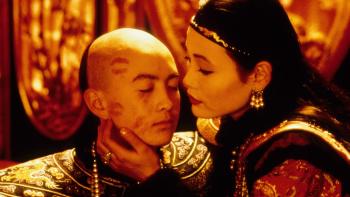
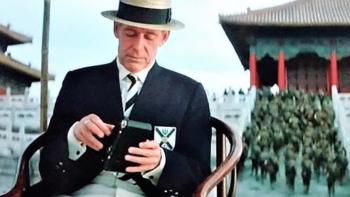
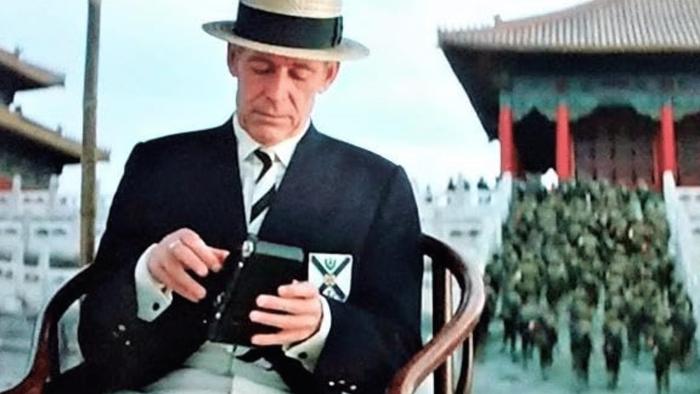
The winner of nine Academy Awards, including Best Picture, this beautiful, biographical epic makes a lasting impression. But The Last Emperor trades accuracy for sumptuous Orientalism: Italian director Bernardo Bertolucci airbrushes Puyi (John Lone) into a softer, kinder version of the real historical figure. Meanwhile, Chinese and Japanese characters come across as fools, whether they're emasculated eunuchs, arrogant prison guards, or hypersexualized Chinese women. In contrast to such caricatures, the film's lone White Englishman, Puyi's tutor, Mr. Johnston (Peter O'Toole), has a heart of gold.
Still, Bertolucci's sets and costumes are magnificent. There are beautifully shot sequences, and the film showcases some of composer Ryuichi Sakamoto's best work. It's a big movie in every way: detailed and accurate, a vibrant spectacle that explores a tumultuous period in Chinese history in a compelling way.
Talk to Your Kids About ...
Families can talk about the narrative structure of The Last Emperor. How did the back-and-forth timeline, from the prison camp to the past, help you understand what happened to Puyi? Did you enjoy this structure, or would you have preferred something more linear?
How does Puyi change or stay the same, over the course of the film? What events shaped the last Emperor's life?
Did this film make you curious about 20th century Chinese history? Did you notice parts of the film that follow real history, or parts that are embellished or glossed over? What resources are available to you if you want to check a "true story" for accuracy?
Movie Details
- In theaters : November 20, 1987
- On DVD or streaming : February 23, 1999
- Cast : John Lone , Joan Chen , Peter O'Toole
- Director : Bernardo Bertolucci
- Studio : Artisan Entertainment
- Genre : Drama
- Topics : History
- Run time : 163 minutes
- MPAA rating :
- MPAA explanation : nudity and language
- Awards : Academy Award - Best Picture Winner , Academy Award - Best Picture Nominee , Academy Award - Other Category Winner , Academy Award - Other Category Nominee , BAFTA - BAFTA Winner , BAFTA - BAFTA Nominee , Golden Globe - Golden Globe Award Winner , Golden Globe - Golden Globe Award Nominee
- Last updated : September 30, 2025
Did we miss something on diversity?
Research shows a connection between kids' healthy self-esteem and positive portrayals in media. That's why we've added a new "Diverse Representations" section to our reviews that will be rolling out on an ongoing basis. You can help us help kids by
Suggest an Update
Common Sense Media's unbiased ratings are created by expert reviewers and aren't influenced by the product's creators or by any of our funders, affiliates, or partners.
See how we rate