





Common Sense Media Review
 By JK Sooja
,
based on child development research. How do we rate?
By JK Sooja
,
based on child development research. How do we rate?
Child nudity, wartime violence, language in compelling docu.
Parents Need to Know
Why Age 15+?
Any Positive Content?
Where to Watch
Videos and Photos
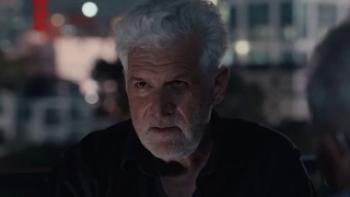
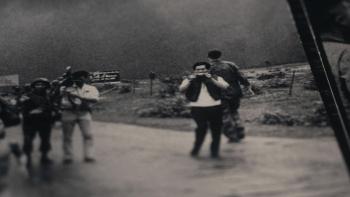

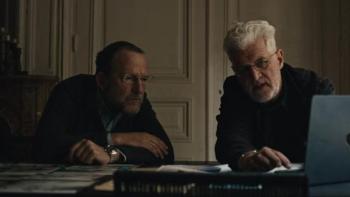
The Stringer: The Man Who Took the Photo
Parent and Kid Reviews
What's the Story?
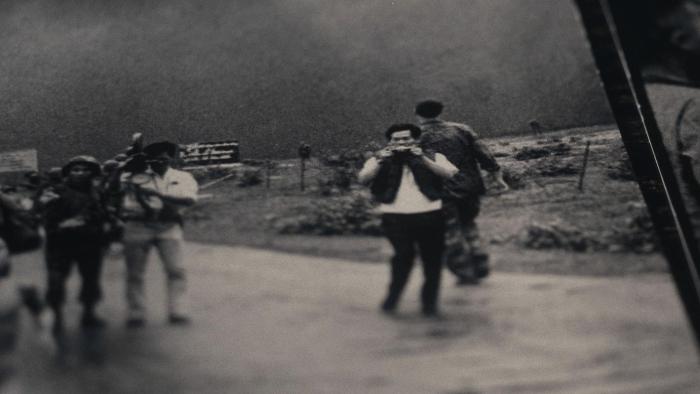
In THE STRINGER: THE MAN WHO TOOK THE PHOTO, Gary Knight and other investigative journalists look into who really took the Pulitzer Prize-winning "Napalm Girl" photograph. The Associated Press has always claimed that the photo was taken by Nick Ut, but this film argues that Ut couldn't have taken the famous photo. Who do you believe?
Is It Any Good?
This is solid investigative journalism straightforwardly packaged in a documentary. Thankfully, the documentary is structured and paced pleasantly. While other investigative journalists will have to delve into, corroborate, refute, or build from these claims, the claims themselves are quite convincing. First, why would Carl Robinson lie? He stands to gain nothing but shame and the potential ruination of his own career and legacy as a journalist. Also, Nghe, the man who likely actually took the photo, has never tried to shake the powers that be, sadly presuming that no one would care, and no one did, for 50 years. Meanwhile, Nghe lived his life (well, he suffered, too, marriage suffered, children knew how it affected him), never once wanting money or fame for this truth.
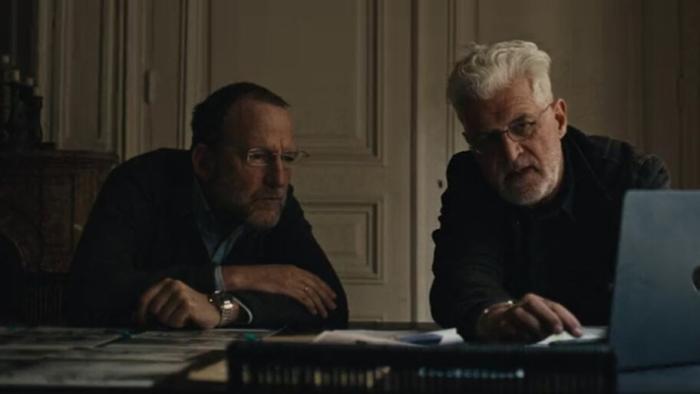
There are many subjects of this documentary, and it's naturally compelling because the case brings up questions of authorship, ethics, accidental heroship (Nick Ut became a celebrity and especially big in Vietnam), and the many broader and institutionalized ways "the West" has throughout history taken advantage of "the East." This film only hints at this, but the filmmakers at least allow this specter of U.S. imperialism and historical mistreatment of Eastern nations to hover over each reveal of information in this story. Presented as participating observers, the filmmakers/investigative journalists discover in real-time new events to the story, as we do, like when they find Nghe or when Index (a not-for-profit company) goes over their findings. By the end, it's hard not to think about Occam's razor (simplest explanation with fewest assumptions is most likely the truth) and how many other similar instances have occurred throughout history and across all artforms, not just photography.
Talk to Your Kids About ...
Families can talk about violence in documentaries. Did any of the violence in The Stringer: The Man Who Took the Photo surprise or shock you?
Why do you think the filmmakers elected not to blur the nudity of the little girl?
Do you believe the film's main argument? Why or why not?
What are the most compelling pieces of evidence for Nghe having took the photo? What are the least compelling pieces of evidence?
Do you think the AP should reopen their investigation into who took the "Napalm Girl" photograph? Why or why not?
Movie Details
- On DVD or streaming : November 28, 2025
- Cast : Gary Knight , Carl Robinson , Nguyen Thanh Nghe , Nick Ut
- Director : Bao Nguyen
- Inclusion Information : Asian Movie Director(s)
- Studio : Netflix
- Genre : Documentary
- Topics : Activism ( Racial justice ) , History ( War: Vietnam War )
- Character Strengths : Courage , Integrity
- Run time : 103 minutes
- MPAA rating :
- MPAA explanation : some language
- Last updated : November 28, 2025
Did we miss something on diversity?
Research shows a connection between kids' healthy self-esteem and positive portrayals in media. That's why we've added a new "Diverse Representations" section to our reviews that will be rolling out on an ongoing basis. You can help us help kids by
Suggest an Update
Common Sense Media's unbiased ratings are created by expert reviewers and aren't influenced by the product's creators or by any of our funders, affiliates, or partners.
See how we rate