





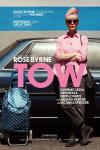
Common Sense Media Review
 By Tara McNamara
,
based on child development research. How do we rate?
By Tara McNamara
,
based on child development research. How do we rate?
Pride and perseverance in Byrne's salty underdog drama.
Parents Need to Know
Why Age 15+?
Any Positive Content?
Where to Watch
Videos and Photos
Tow
Parent and Kid Reviews
What's the Story?
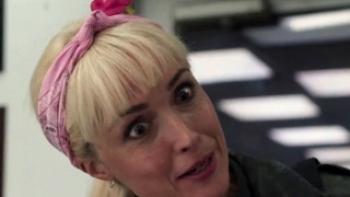
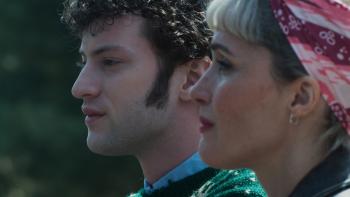
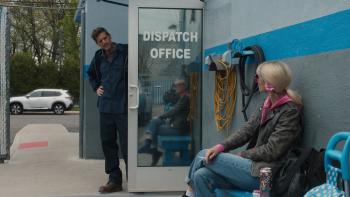
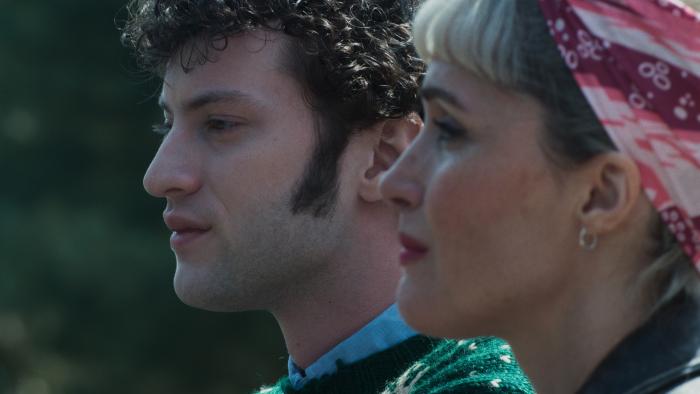
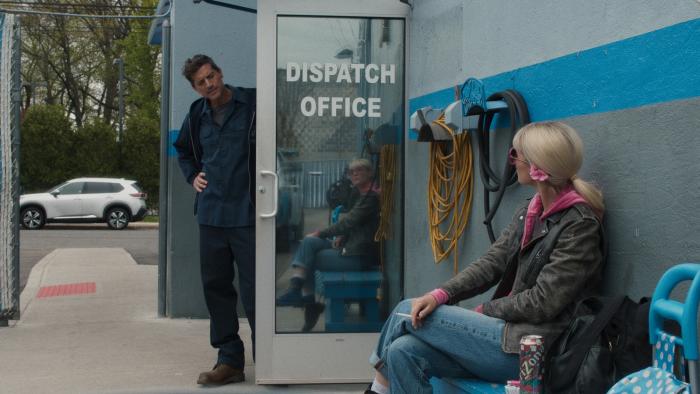
In TOW, when Amanda Ogle's (Rose Byrne) 1991 Toyota Camry is stolen, she doesn't just lose her way of getting to her new job, she loses her home. The towing company that recovers the car demands hundreds of dollars to release her vehicle, money that she doesn't have. While living in a women's shelter, she fights the injustice—and the growing bill—with the help of Kevin (Dominic Sessa), a 24-year-old consumer protection lawyer who's working pro bono. Both of them learn how the law can be manipulated to bully consumers into giving up, especially as a cruel opposing lawyer (Corbin Bernsen) who represents the tow company's interests finds loopholes to keep Amanda's car from her.
Is It Any Good?
Amanda's ride is a bumpy one, and at times the road feels too frustrating to stay on, but the journey offers several vistas that may steer viewers toward greater compassion and understanding. One stop along the way in Tow is the need for consumer protections—a phrase that may make some folks' eyes glaze over, but if you restate it as "fighting corporate bullying," people are more likely to perk up. Amanda is the victim of a vindictive campaign by the tow company's heartless, high-powered lawyer, who throws up roadblocks at every turn. Ignoring her calls and emails, adding vague charges to her bill, and fighting her small claims court item with a bigger lawsuit are all ways the tow company tries to grind Amanda into giving up. It's a memorable lesson in how some with wealth and power may try to strong-arm those who lack the time, money, or wherewithal to take them on. But Amanda has no alternative, and so she doesn't turn back.
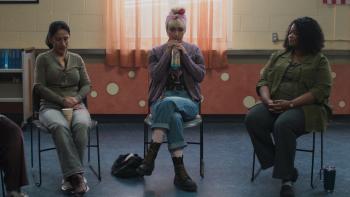
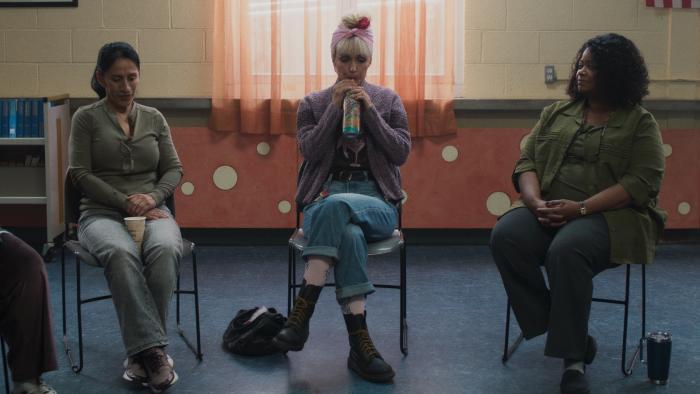
The film also turns its headlights on a question many people misunderstand: the way that a "regular" person can become unhoused. Among the women in the shelter where Amanda finds refuge, some are recovering from addiction and some were dealt a bad hand, but all are incredibly human and trying to navigate their way out. In the story of Amanda, we can see that, for those without means, one wrong turn can send life spinning into a chain reaction of setbacks, each problem accelerating the next. But she's definitely not looking for a handout, possibly to her detriment. And here's where Tow does a U-turn on stereotypes, while arriving at the intersection of pride and humility. By all accounts, Amanda is a humble person. She takes responsibility for her dependence on alcohol (even though there's a lot that's unfair in how she arrived at that dependency), and yet she doesn't want to be labeled as "homeless." So she says she's OK when she's not. And she refuses help when she needs it. All of that costs her precious time and energy. Tow is engaging on its own, but the life lessons buckled into the backseat may stick with teen viewers as they slip into the driver's seat and motor into their own life.
Talk to Your Kids About ...
Families can talk about what Tow has to say about the cycle of poverty. Did it make you see that issue differently? If so, how?
Are drinking, smoking, or drug use glamorized here? Are there realistic consequences for their use? People often think addiction won't happen to them—how does Tow show the way that substance use can become a full-fledged reliance?
What is perseverance? Which characters demonstrate this important life skill? How about humility? Does Amanda's pride in not wanting to be labeled as unhoused conflict with her humility?
Discuss how self-reliance and community are both essential when it comes to surviving and thriving.
Do you consider this a faith-based film? Why, or why not? Which elements of the film reveal faith?
Movie Details
- In theaters : March 20, 2026
- On DVD or streaming : April 21, 2026
- Cast : Rose Byrne , Dominic Sessa , Octavia Spencer , Simon Rex
- Director : Stephanie Laing
- Inclusion Information : Female Movie Director(s) , Female Movie Actor(s) , Black Movie Actor(s)
- Studio : Roadside Attractions
- Genre : Drama
- Topics : Activism , Family Stories ( Moms ) , Transportation ( Cars & Trucks )
- Character Strengths : Humility , Perseverance
- Run time : 105 minutes
- MPAA rating :
- MPAA explanation : language and some sexual references
- Last updated : March 28, 2026
Did we miss something on diversity?
Research shows a connection between kids' healthy self-esteem and positive portrayals in media. That's why we've added a new "Diverse Representations" section to our reviews that will be rolling out on an ongoing basis. You can help us help kids by
Suggest an Update
Common Sense Media's unbiased ratings are created by expert reviewers and aren't influenced by the product's creators or by any of our funders, affiliates, or partners.
See how we rate