







Common Sense Media Review
 By Sandie Angulo Chen
,
based on child development research. How do we rate?
By Sandie Angulo Chen
,
based on child development research. How do we rate?
Insightful doc about overachieving high schoolers; language.
Parents Need to Know
Why Age 13+?
Any Positive Content?
Where to Watch
Videos and Photos


Try Harder!
Parent and Kid Reviews
What's the Story?
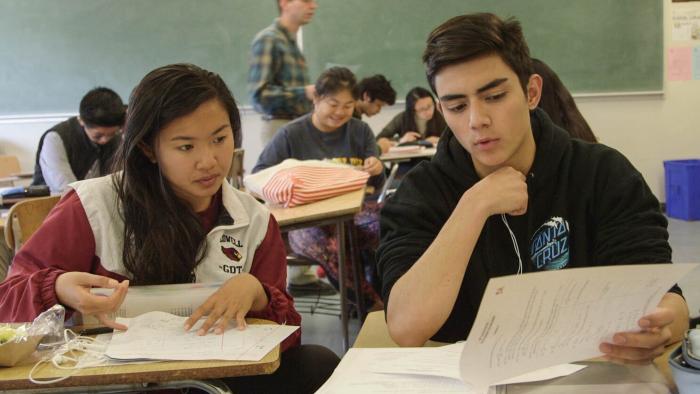
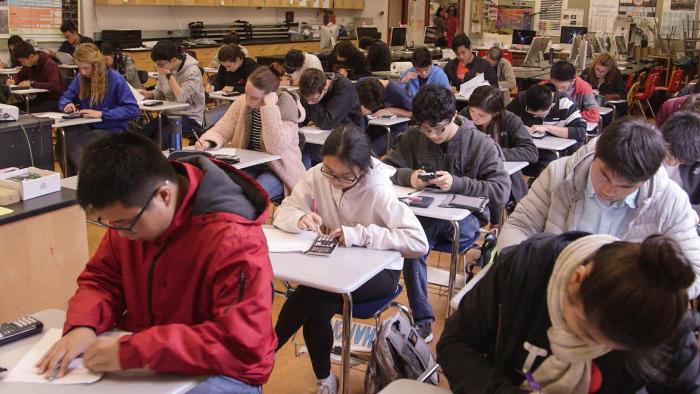
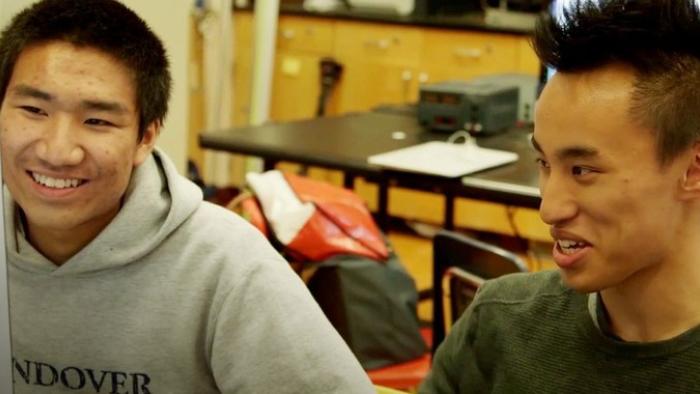
TRY HARDER! is an insightful documentary about high-achieving students at San Francisco's Lowell High School, the oldest public high school west of the Mississippi. Director Debbie Lum follows a group of AP-taking seniors as they navigate the highly fraught college-admissions process, varying degrees of parental expectations, and the belief that the only path toward the American Dream is an elite or Ivy League undergraduate education. Notable students featured include Alvan, an affable first-generation Chinese American senior whose working-class parents hover around the college process; Rachael, who, as a biracial young woman, deals with both subtle and overt racism; Sophia, an overconfident Ivy League-obsessed senior of East Asian descent; and Ian, a third-generation Chinese American Lowell student whose low-key parents just want him to be happy but who's put a lot of pressure on himself.
Is It Any Good?
This is a timely, engaging, and educational counterpoint to Operation Varsity Blues. It shows the struggle that even academically deserving students face when it comes to college admission. While OVB featured rich, mostly White parents who felt that their children with mediocre stats were entitled to admissions at an elite college, Try Harder! centers on hardworking, academically extraordinary students who feel that they've earned a spot at one of those schools, even as their teachers and counselors try to temper their expectations. Lum smartly avoids perpetuating stereotypes by following Asian American students from differing backgrounds and experiences, from first-gen Alvan who's embarrassed when his Chinese mother tries to give a college interviewer a pair of movie tickets, to third-generation Chinese American Ian, whose parents (and fellow Lowell alums) are more interested in him finding a place to be himself, regardless of the college's rank. For these California kids, the holy grail is Stanford, and, after that, the East Coast Ivies, UCLA, and Berkeley. One telling scene features a counselor giving a presentation that includes a slide with all of the University of California colleges, reminding the teens that they're not entitled to go to Berkeley and should be happy wherever they land.
One brilliant aspect of Try Harder! is that, while every single student interviewed mentions the same wunderkind Big Man on Campus (who, unsurprisingly, gets into Harvard Early Decision), that student never has a line in the film. He's almost too boring a golden child to root for; instead, Lum follows students who aren't sure where they'll end up. It's hard not to have personal favorites or get invested in the students' lives. Alvan, Ian, and Rachael are notable for their humility, humor, and varying degrees of closeness to their parents. Sophia is a brilliant beauty, but she often lands on the side of arrogance instead of confidence. And Shea, a junior, is fascinating because, unlike his peers, he has a worryingly difficult home life (his father has an addiction problem). Lum even chronicles a bit of how an influential, beloved physics teacher impacts the kids. Watching him interact with the featured students is inspiring. Parents and teens should watch this film together, encourage their PTSAs to host screenings and discussions, and internalize the messages about the ludicrous amount of pressure that so many high achieving students feel to go to the same 20 colleges.
Talk to Your Kids About ...
Families can talk about the messages in Try Harder! about high school achievement, college admissions, and the idea of success. What do the students in the documentary learn about themselves? Whose approach to their college decision seems the healthiest?
How does the film explore intersectional themes like race and class? How does Rachael's experience differ from her classmates'?
Do you consider any of the students role models? What character strengths do they demonstrate?
Are you aware of stereotypes about overachieving Asian students? Does Try Harder! perpetuate these stereotypes or offer dispel them? How can you battle stereotypes in popular culture?
Movie Details
- In theaters : December 3, 2021
- On DVD or streaming : December 24, 2021
- Director : Debbie Lum
- Studio : Greenwich Entertainment
- Genre : Documentary
- Topics : Friendship , School ( High School )
- Character Strengths : Communication , Curiosity , Empathy , Humility
- Run time : 85 minutes
- MPAA rating :
- Last updated : September 29, 2025
Did we miss something on diversity?
Research shows a connection between kids' healthy self-esteem and positive portrayals in media. That's why we've added a new "Diverse Representations" section to our reviews that will be rolling out on an ongoing basis. You can help us help kids by
Suggest an Update
Common Sense Media's unbiased ratings are created by expert reviewers and aren't influenced by the product's creators or by any of our funders, affiliates, or partners.
See how we rate