







Common Sense Media Review
 By John Sooja
,
based on child development research. How do we rate?
By John Sooja
,
based on child development research. How do we rate?
Some language, sex in bland male-centric romance drama.
Parents Need to Know
Why Age 15+?
Any Positive Content?
Where to Watch
Videos and Photos



We Couldn't Become Adults

Parent and Kid Reviews
What's the Story?
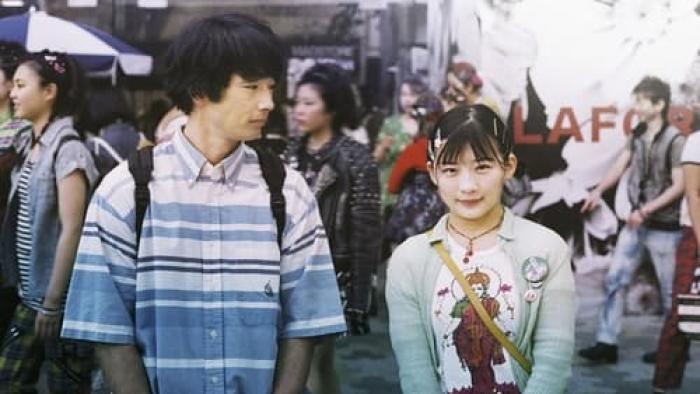
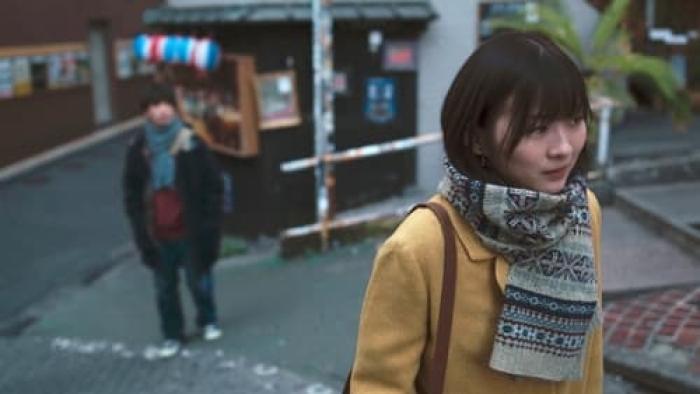
In WE COULDN'T BECOME ADULTS, Makoto Sato (Mirai Moriyama) is a 40-something man who works hard for little reward. One day, he receives a friend request from a girlfriend from many years ago. This message prompts Makoto to remember all his relationships, all the way back to his first real love, Kaori Kato (Sairi Ito). By the time he's done, will he know why he is still alone?
Is It Any Good?
This Japanese drama is long, male-centric, and doesn't have much to say. So much of We Couldn't Become Adults reaches for a deep poignancy that just isn't there. Indeed, many sad, single mid-40s men like Makoto Sato might be able to relate, but others might find this film a slog. As Makoto works his way backward, "remembering" each woman he was seriously involved with in his life, different "day-in-the-life" snapshots deliver quick beginning, middle, and ends to each relationship. But while measuring your worth by how successful your relationships have been may not be the healthiest belief, neither is basing the way you live life off of one thing one person said a long time ago. Is this what forlorn single men in their 40s do? Remember their failed relationships and zero in on one arbitrary thing and build entire narratives around that one thing?
Further, each woman that Makoto "remembers" has either something "not normal" or something too "normal" about her, and this fascination with whether or not things are "ordinary" is explained later, but never fully supported. In short, because of one silly misunderstanding, Makoto sought to be not "ordinary" and not desire "ordinary" things, like, namely, marriage and kids. Thus, some women after his first love were simply too ordinary, while others are depicted as not ordinary by way of being overtly sexual in some way. For many, this re-presentation of the sexist binary or either/or where women are either "normal" or "(too) sexual" will be too much of a bad look, even with cultural relativity fully acknowledged.
Talk to Your Kids About ...
Families can talk about adult relationships in romantic dramas. In We Couldn't Become Adults, were the relationships depicted realistically? How so and how not so?
What was Makoto's biggest regret? What was his "big mistake" that led to him thinking that his life is "ordinary" and boring?
How might this film look differently if the main character was a woman looking back at her life through her relationships?
Movie Details
- On DVD or streaming : November 5, 2021
- Cast : Mirai Moriyama , Sairi Ito , Yuko Oshima , Masahiro Higashide
- Director : Yoshihiro Mori
- Studio : Netflix
- Genre : Drama
- Run time : 124 minutes
- MPAA rating :
- Last updated : December 6, 2021
Did we miss something on diversity?
Research shows a connection between kids' healthy self-esteem and positive portrayals in media. That's why we've added a new "Diverse Representations" section to our reviews that will be rolling out on an ongoing basis. You can help us help kids by
Suggest an Update
Common Sense Media's unbiased ratings are created by expert reviewers and aren't influenced by the product's creators or by any of our funders, affiliates, or partners.
See how we rate