







Common Sense Media Review
 By Monique Jones
,
based on child development research. How do we rate?
By Monique Jones
,
based on child development research. How do we rate?
Coming-of-age drama has iffy disability representation.
Parents Need to Know
Why Age 15+?
Any Positive Content?
Where to Watch
Videos and Photos


Wildflower
What's the Story?
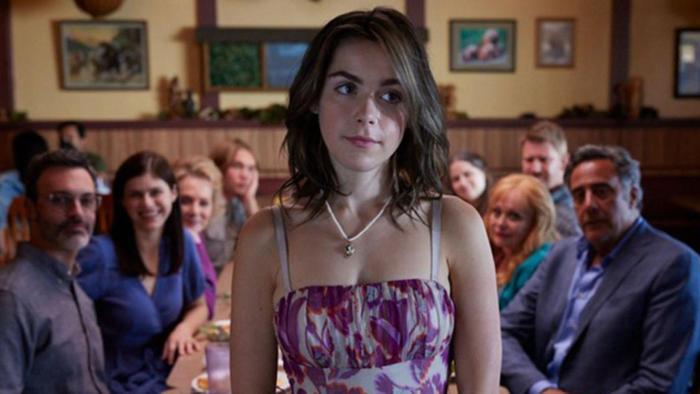
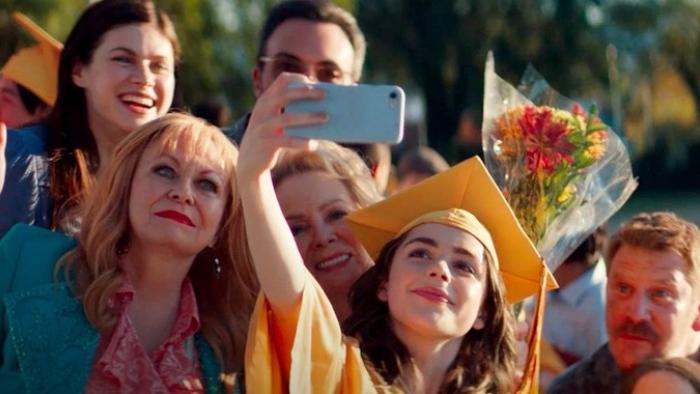
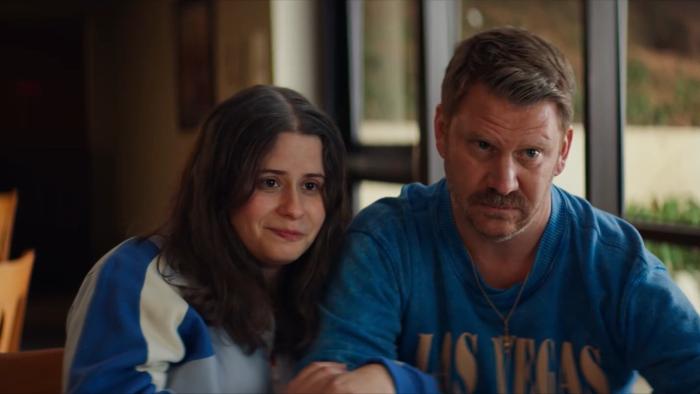
WILDFLOWER focuses on Bea (Kiernan Shipka), a self-reliant young woman who has intellectually disabled parents, Sharon (Samantha Hyde) and Derek (Dash Mihok). Bea has essentially raised herself and has developed her own outlook on life, but an accident allows her to reflect on how she got to this point in her life and what she has to do to go forward.
Is It Any Good?
Wildflower is clearly trying to be a good example of disability representation on-screen. And on the surface, it's entertaining and promotes a feel-good message about family togetherness. But the way that the disabled characters are portrayed may offend some viewers. While we're led to sympathize with Bea, it's at the cost of her parents' character development. The result is an uneven representation of disability in which the characters are shown in a more stereotypical light than the film was probably aiming for. Wildflower's inherent ableism is woven throughout the film in subtle and not-so-subtle ways -- the most egregious of which is when Sharon and Derek's parents openly discuss and argue about whether Sharon should be sterilized so that she and her husband can't have children. It's a shocking conversation to have in a film that's supposed to be giving viewers the idea that Bea's family is just one type of American family.
Bea having to raise herself in squalor with an irresponsible, junk food-eating mom and a dad who races toy cars is one of the biggest ways the film actively argues against disabled people having children, which muddles the supposedly warm message it wants to portray. It would have been nice to see how Bea's parents cared for her well-being, as well as how Bea's grandparents, aunt, and uncle might have stepped up to the plate to provide a loving village for her and her parents, instead of either wanting to take her away (in the case of her aunt and uncle) or preventing her from being born at all (in the case of her paternal grandmother and maternal grandfather). The cast -- including Jean Smart, Jacki Weaver, Erika Alexander, Brad Garrett, Charlie Plummer, and Kannon -- are great, but their charisma can only cover up the confusion of the film's messaging so much.
Talk to Your Kids About ...
Families can talk about family relationships. How do the characters in Wildflower interact as a family? How do they grow as a family? Do they seem realistic to you?
How does the film approach disability representation? Do you think it succeeds? Why, or why not?
What does Bea learn about herself and her parents? How does their relationship change?
How do characters demonstrate courage and empathy? Why are those important character strengths?
Movie Details
- In theaters : March 17, 2023
- On DVD or streaming : March 21, 2023
- Cast : Kiernan Shipka , Samantha Hyde , Dash Mihok , Jean Smart
- Director : Matt Smukler
- Studio : Momentum Pictures
- Genre : Comedy
- Topics : School ( High School )
- Run time : 105 minutes
- MPAA rating :
- MPAA explanation : some language, teen drinking and a sexual reference
- Last updated : September 29, 2025
Did we miss something on diversity?
Research shows a connection between kids' healthy self-esteem and positive portrayals in media. That's why we've added a new "Diverse Representations" section to our reviews that will be rolling out on an ongoing basis. You can help us help kids by
Suggest an Update
Common Sense Media's unbiased ratings are created by expert reviewers and aren't influenced by the product's creators or by any of our funders, affiliates, or partners.
See how we rate