






Common Sense Media Review
 By Joyce Slaton
,
based on child development research. How do we rate?
By Joyce Slaton
,
based on child development research. How do we rate?
Animated special has LGBTQ+ representation, great messages.
Parents Need to Know
Why Age 8+?
Any Positive Content?
Where to Watch
Videos and Photos


Adventure Time: Distant Lands - Obsidian
What's the Story?
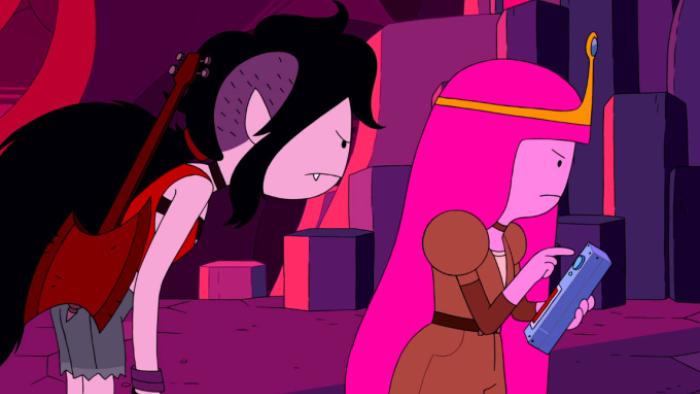
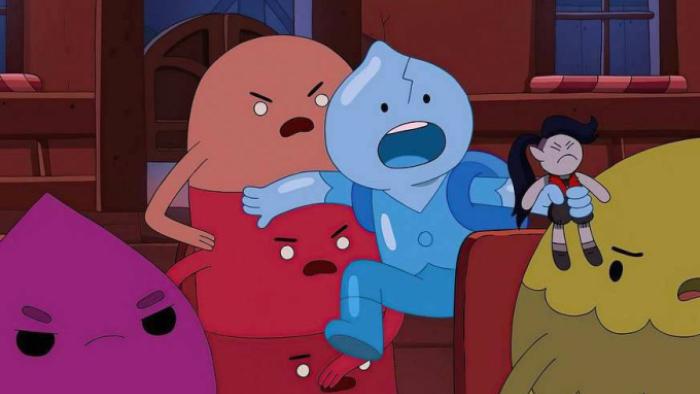
When a terrifying dragon breaks free from its prison beneath the Glass Kingdom in ADVENTURE TIME: DISTANT LANDS - OBSIDIAN, reviled outsider Glassboy (Michaela Dietz) knows just what to do -- find Marceline the Vampire Queen (Olivia Olson), and have her imprison the dragon, just as she did before. But Marceline isn't so sure about visiting the Glass Kingdom again. The last time she was there, it was a difficult time during her relationship with Princess Bubblegum (Hynden Walch), and things have been going so well for the couple. Does she really want things to change, or to revisit the scene of past pain? With the help of Glassboy and some new friends, can Marceline and Princess Bubblegum confront their past and find a way to have a future together?
Is It Any Good?
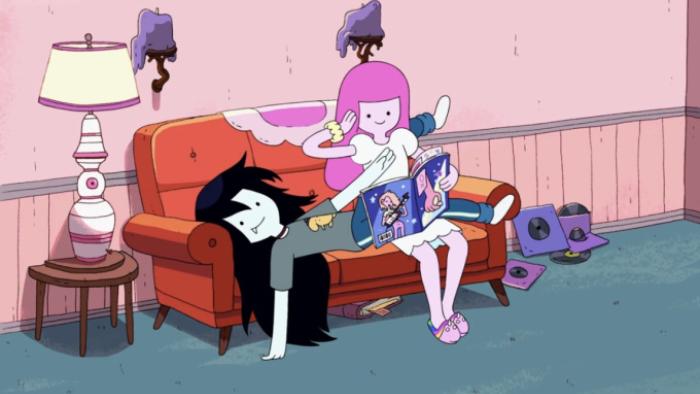
Colorful, whimsical, and shot through with deep messages about self-acceptance and connecting to others, this chapter in the Adventure Time: Distant Lands specials is something special indeed. When we meet up with Marceline and Princess Bubblegum, they're deep into peaceful coupledom, which provides a rare (for television) glimpse of queer domestic bliss. They drink tea. They make pie. Marceline practices her music, while Bubblegum putters and eggs her on. But their twosome-bubble is shattered when a problem shows up literally at their front door, and they're called to vanquish the dragon that Marceline once managed to capture by singing a tough and angry song.
But this time the song doesn't work, and Marceline's quest to figure out why sends her reeling back through her personal history. Being bristly and rigid always worked for her before, so what's changed? Finally, she learns that a hard shell isn't really protection from life's problems at all -- it's just another problem. Inside, she's still squishy and easy to hurt, and so is everyone else. But that's what lets her connect with Bubblegum, and find the joy that comes from being known, seen, and loved. It's a pretty heady idea, and Obsidian has a lot working on the metaphorical level, too: the Glass Kingdom with its cracked citizens, each hiding flaws they fear others will judge; the pastel singing butterfly that emerges from the dragon's body at the end of his battle with Marceline and Bubblegum. Visually and emotionally, it's simply beautiful. And so is Obsidian.
Talk to Your Kids About ...
Families can talk about the messages in Adventure Time: Distant Lands - Obsidian. What does this special seem to be saying about the difference between how we're perceived and how we feel inside? What about the importance of emotional vulnerability, and how that's related to connecting to others?
How would the central relationship in Adventure Time: Distant Lands - Obsidian change if this was an opposite-sex couple? Would it change at all? Are storylines featuring same-sex couples common on television? What others can you name?
What part does humility and communication play in Marceline's journey? Why are these important character strengths?
TV Details
- Premiere date : November 19, 2020
- Cast : Olivia Olson , Michaela Dietz , Hynden Walch
- Network : Max
- Genre : Drama
- Character Strengths : Communication , Humility
- TV rating :
- Award : Common Sense Selection
- Last updated : January 7, 2026
Did we miss something on diversity?
Research shows a connection between kids' healthy self-esteem and positive portrayals in media. That's why we've added a new "Diverse Representations" section to our reviews that will be rolling out on an ongoing basis. You can help us help kids by
Suggest an Update
Common Sense Media's unbiased ratings are created by expert reviewers and aren't influenced by the product's creators or by any of our funders, affiliates, or partners.
See how we rate