







Common Sense Media Review
 By Marina Gordon
,
based on child development research. How do we rate?
By Marina Gordon
,
based on child development research. How do we rate?
Family abuse docuseries is disturbing for all ages.
Parents Need to Know
Why Age 16+?
Any Positive Content?
Where to Watch
Videos and Photos


Allen v. Farrow
Parent and Kid Reviews
What's the Story?
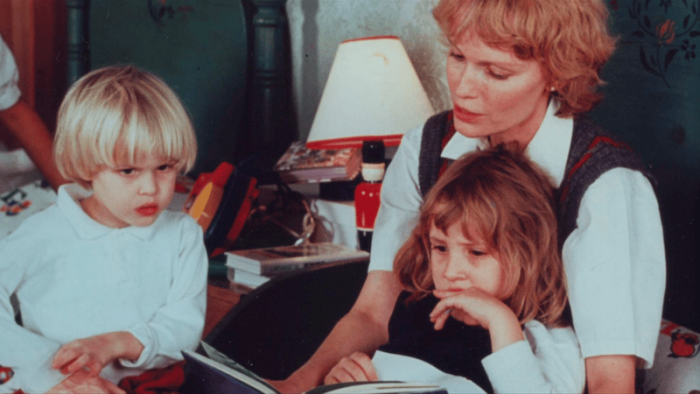
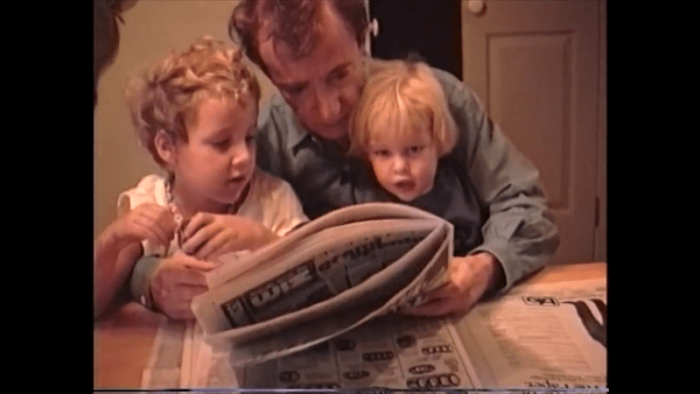
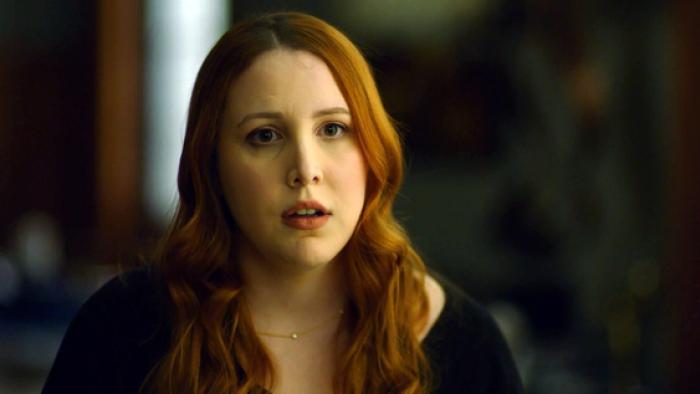
The four-episode docuseries ALLEN V. FARROW drops viewers into the deep end of the family scandal in August 1992. Woody Allen holds a press conference at New York's Plaza Hotel denying that he had sexually abused his seven-year-old daughter Dylan; Allen painted Mia Farrow's allegations as the "bizarre concoctions of a woman scorned" because he had fallen in love with Farrow's daughter Soon-Yi. Dylan, now in her 30s, walks on her mother's Connecticut property and explains, "For the longest time I've been trying to set the record straight. No matter what you think you know, it's just the tip of the iceberg." First, though, we review Allen and Farrow's unconventional courtship and relationship, when he was New York's most celebrated director and personality and she was a newly divorced acclaimed actor with seven children (three biological, four adopted). Allen had no interest in kids, he said, but the ones interviewed here say he was a father figure. Allen didn't participate in the docuseries; we see him only in archived footage and in clips from his 2020 memoir, Apropos of Nothing. The documentarians (who also covered sexual assault in colleges in The Hunting Ground and in the military for The Invisible War) had access to videos that Farrow shot of her children, to many friends and members of the Farrow family, and to Dylan herself. This, they make clear, is her story.
Is It Any Good?
Almost 30 years after the events of this docuseries, they hit differently -- we see now through a parent's eyes and we want to protect young Dylan from the trauma that has affected her entire life. At the time, as we're shown, Woody Allen was a quirky, beloved filmmaker who embodied uptown New York and appeared to play out his neuroses on screen. Suddenly, we were confronted with another possibility that completely reframed him: He was a predator who seduced his life partner's child and sexually abused his 7-year-old daughter. The allegations were both shocking and fascinating; in the pre-internet era the allegations and the extended custody battle played out in nightly entertainment shows and in the tabloids. Then, the story seemed to be over. But the story wasn't over for the Farrow family. As an adult, Dylan says, "What I was really feeling was that I had let down the little girl that I was before when I couldn't speak about it. I wish that I had been stronger, that I hadn't crumpled so much under the pressure. I need to in a way prove to myself that I can face it, which is probably why I feel so strongly about coming forward now."
The documentarians here have seemingly unfettered access to the Farrow family, including Dylan, older brother Fletcher Previn, journalist Ronan, and reluctant Mia, as well as her sister and friends who were in their circle in the '90s. Mia's large, warm Connecticut home is the back drop for many of her home videos, and it's the site of Dylan's alleged abuse. The viewers feel what it was like to be part of this family, and how it the trauma of the early '90s changed it irreparably. Allen and wife Soon-Yi didn't participate in this series (they were asked for their input, the documentarians say), so this is really Dylan's story. It's worth your time to listen to it.
Talk to Your Kids About ...
Families can talk about the intent of documentaries: to entertain, inform, inspire, and sometimes persuade. Which of these categories best describes Allen v. Farrow? Why?
How clearly did the filmmakers justify their theory and ideas about the Allen v. Farrow case? Which methods (interviews, archived clips, audiobook excerpts) did you find most effective in presenting the case? Would you have wanted to hear directly from Allen himself?
Did the documentary change your opinions and feelings about Allen's movies? How do you think Allen v. Farrow could affect his legacy?
TV Details
- Premiere date : February 26, 2021
- Cast : Mia Farrow , Dylan Farrow , Ronan Farrow
- Network : HBO
- Genre : Reality TV
- TV rating :
- Last updated : August 4, 2021
Did we miss something on diversity?
Research shows a connection between kids' healthy self-esteem and positive portrayals in media. That's why we've added a new "Diverse Representations" section to our reviews that will be rolling out on an ongoing basis. You can help us help kids by
Suggest an Update
Common Sense Media's unbiased ratings are created by expert reviewers and aren't influenced by the product's creators or by any of our funders, affiliates, or partners.
See how we rate