







Common Sense Media Review
 By Polly Conway
,
based on child development research. How do we rate?
By Polly Conway
,
based on child development research. How do we rate?
Vibrant, intense live-action adventure tale has violence.
Parents Need to Know
Why Age 11+?
Any Positive Content?
Where to Watch
Videos and Photos


Avatar: The Last Airbender
Parent and Kid Reviews
Based on 43 parent reviews
Parents say the series reimagines the original with impressive effects and character development, but some viewers feel it strays too far from the beloved source material, leading to mixed reactions regarding its adherence to the original storyline. While many appreciate the mature themes and diverse cast, some criticize the acting and writing quality, questioning the necessity of changes made to character arcs and plot elements.
- best effects
- character development
- mixed reactions
- mature themes
- source material deviation
 Summarized with AI
Based on 16 kid reviews
Kids say that while the special effects and acting in this adaptation may have some merits, it ultimately falls short compared to the original show due to rushed storytelling and character degradation. Many viewers express disappointment in the changes made to beloved characters and the tone, preferring the depth and emotional resonance of the original series.
- rushed storytelling
- character degradation
- emotional resonance
- better than movie
- mixed reviews
Summarized with AI
What's the Story?
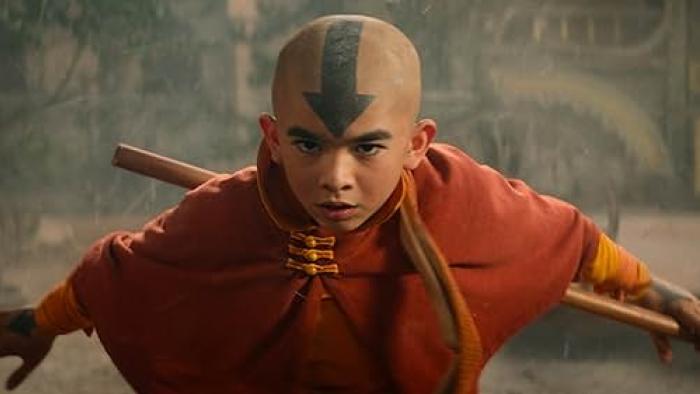
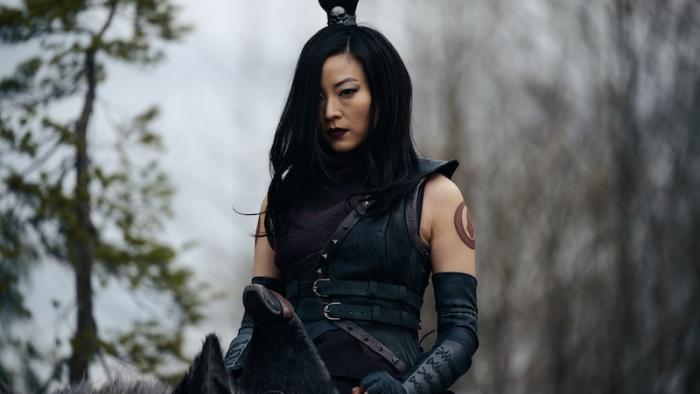
In AVATAR: THE LAST AIRBENDER, young monk-in-training Aang (Gordon Cormier) is just a regular kid with some special skills. He's an Airbender, but some people think he may be the Avatar, a person who can master all the elements. When the Fire Nation destroys his village, he's transported to another, unfamiliar world of water and snow, and becomes a part of a new community. Together with siblings Sokka (Ian Ousley) and Katara (Kiawentiio), they must fight to keep safe from the encroaching Fire Lord (Daniel Dae Kim) and his minions.
Is It Any Good?
This action-packed series is decidedly more mature than its animated counterpart. But Avatar: The Last Airbender is a worthy revisiting of Aang's tale. The cast is stacked with outstanding Asian and Indigenous actors, and the world-building is as in-depth as its predecessor's. Families with younger kids might do well to start with the animated version, but tweens and teens will appreciate the swift storytelling and adventurous spirit of this now classic tale.
Talk to Your Kids About ...
Families can talk about bravery and courage on display in Avatar: The Last Airbender. How does Aang find courage in difficult situations?
War is a major theme in this series. How do the various worlds deal with the ongoing fighting?
The fantasy worlds in the series are inspired by real-life cultures. Which references did you notice? Does watching Avatar: The Last Airbender make you want to learn more about the real counterparts?
TV Details
- Premiere date : February 22, 2024
- Cast : Gordon Cormier , Kiawentiio , Ian Ousley
- Network : Netflix
- Genre : Action
- Topics : Fantasy ( Magic ) , Family Stories ( Siblings )
- Character Strengths : Courage
- TV rating :
- Award : Common Sense Selection
- Last updated : August 6, 2026
Did we miss something on diversity?
Research shows a connection between kids' healthy self-esteem and positive portrayals in media. That's why we've added a new "Diverse Representations" section to our reviews that will be rolling out on an ongoing basis. You can help us help kids by
Suggest an Update
Common Sense Media's unbiased ratings are created by expert reviewers and aren't influenced by the product's creators or by any of our funders, affiliates, or partners.
See how we rate