







Common Sense Media Review
 By Melissa Camacho
,
based on child development research. How do we rate?
By Melissa Camacho
,
based on child development research. How do we rate?
Lively K-cooking contest serves up fun, respect, curses.
Parents Need to Know
Why Age 14+?
Any Positive Content?
Where to Watch
Videos and Photos


Culinary Class Wars

What's the Story?
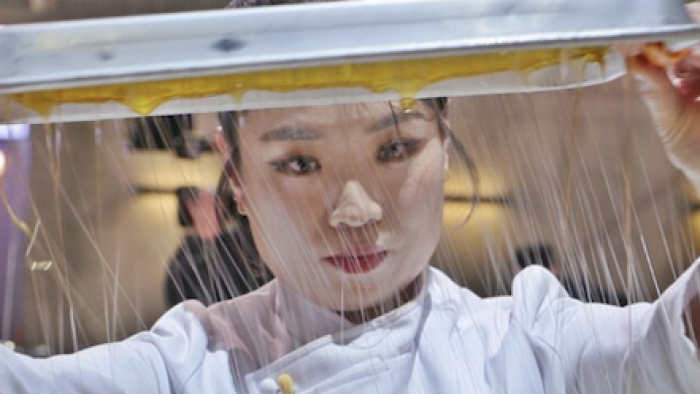
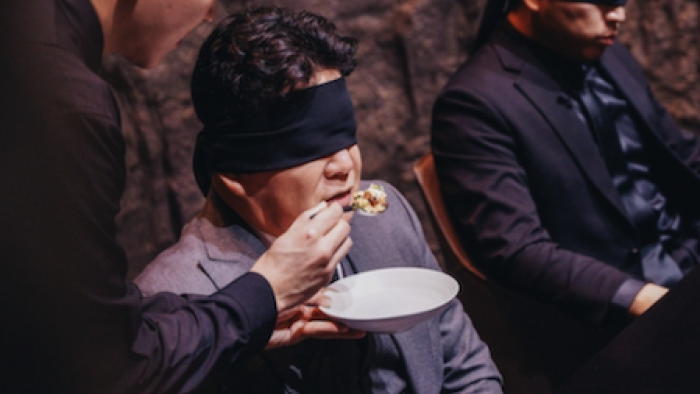
CULINARY CLASS WARS is a Korean cooking competition featuring people with cooking talents competing against renowned chefs to see who reigns supreme. Eighty individuals who cook for a living, including chefs and food preparers from local restaurants, food carts, YouTube, and even school cafeterias come together to participate in an elaborate cooking challenge. They soon find out that the competition requires them to cook against 20 of South Korea's star chefs, deemed the White Spoons. Soon the 80 contestants, or Black Spoons, who are only to be known by a descriptive nickname, embark on their first cooking challenge. The 20 that impress the judges, celebrity chef Baek Jong-won and three-Michelin-star chef Anh Sung-jae, are allowed to remain in the competition. It's only then that the two classes begin facing off in a range of food preparation contests that result in eliminations. The last Spoon remaining wins $300 million Korean won, or approximately $225K—and everyone's admiration and respect.
Is It Any Good?
The bingeworthy K-cooking series offers all the lively fun of a high-stakes cooking show but with limited interpersonal drama. Most of the Black Spoons in Culinary Class Wars look up to the White Spoons, which makes them more willing to deliver difficult challenges. They're also in awe of the judges (especially Michelin chef Anh), and consider it an honor to cook food that will be critiqued by them. Meanwhile, the Spoons from both classes that manage to stay in the game are able to watch what's happening during certain challenges, leading to some interesting commentary and lighthearted moments.
The best part of Culinary Class Wars is that despite efforts to create an entertaining divide between the two classes, both the star chefs and the judges are very respectful of the Black Spoons and the talents they bring to the competition. Granted, there are times when the judges' conversations about the strengths and weaknesses of a dish are a little long. But this won't prevent viewers from enjoying the series, learning more about different types of Korean cuisine, or salivating over some (or all) of what's being served up.
Talk to Your Kids About ...
Families can talk about the appeal of cooking and baking shows like Culinary Class Wars. Are they more fun if they're competitive?
What's the purpose of dividing the cast into separate classes? How does Culinary Class Wars justify this separation?
Did you learn anything about cooking by watching this show? Does it inspire you to want to cook more? What were some of your favorite dishes from the series?
TV Details
- Premiere date : September 17, 2024
- Cast : Baek Jong-won , Anh Sung-jae , Edward Lee
- Network : Netflix
- Genre : Game Shows
- Topics : Cooking
- Character Strengths : Curiosity , Gratitude , Humility , Integrity , Perseverance , Teamwork
- TV rating :
- Last updated : September 18, 2025
Did we miss something on diversity?
Research shows a connection between kids' healthy self-esteem and positive portrayals in media. That's why we've added a new "Diverse Representations" section to our reviews that will be rolling out on an ongoing basis. You can help us help kids by
Suggest an Update
Common Sense Media's unbiased ratings are created by expert reviewers and aren't influenced by the product's creators or by any of our funders, affiliates, or partners.
See how we rate