







Common Sense Media Review
 By Jenny Nixon
,
based on child development research. How do we rate?
By Jenny Nixon
,
based on child development research. How do we rate?
Docuseries on exploitative reality show has drugs, language.
Parents Need to Know
Why Age 14+?
Any Positive Content?
Where to Watch
Videos and Photos


Fit for TV: The Reality of The Biggest Loser


What's the Story?
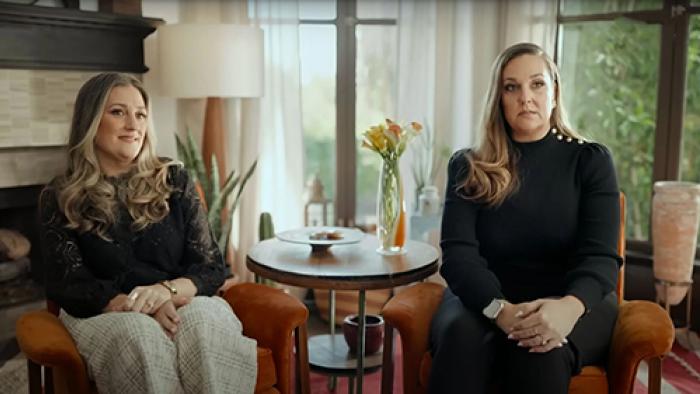
FIT FOR TV: THE REALITY OF THE BIGGEST LOSER is a three-part Netflix docuseries that takes a sobering, critical look at the exploitation and harm behind the scenes of the popular NBC weight-loss reality show. Interviews with former contestants, trainers, and producers, along with archival footage, reveal that high ratings were pursued by any means necessary—never mind the long-term emotional and physical damage participants sustained.
Is It Any Good?
Reality TV is exploitative enough—but when that exploitation turns life-threatening, it crosses into something far more disturbing. Fit for TV: The Reality of The Biggest Loser chronicles the show's mega-popularity in a time before the body positivity movement, when televised humiliation rituals were deemed acceptable if they promised competitors thinness and wealth in the end. It's telling that the majority of participants speaking out on their experience recall developing eating disorders and regaining weight post-show, some even suffering PTSD from the verbal abuse inflicted by trainers who were meant to help them.
Disappointingly, the show's producers and trainers (including Bob Harper, once cast as the "good cop" to Jillian Michaels' "bad cop") seem as cynical and self-serving as ever, unwilling to admit their actions were unethical, dangerous, or simply cruel. Harper shrugs at footage of himself screaming expletives at contestants, saying viewers don't want to watch people eat vegetables; they want to see them puking on a treadmill. While much has changed since The Biggest Loser aired, weight-loss culture persists. Hopefully, audiences are now savvy enough to see that money-driven, punishment-based tactics aren't the answer.
Talk to Your Kids About ...
Families can talk about the methods trainers used to cause contestants to lose weight rapidly. What do you think motivated the trainers' refusal to take the physician's advice on providing contestants with adequate calories to get through the day? What about their decision to give the contestants forbidden weight-loss pills?
Talk about the ethics of turning weight loss into a competition. Were the producers focused on helping contestants get healthy, or were they more concerned with ratings? Did the show provide an education that would set the contestants up for lasting success? How does a cash prize complicate a person's weight-loss journey?
TV Details
- Premiere date : August 15, 2025
- Cast : Bob Harper , Aubrey Gordon , Joelle Gwynn
- Network : Netflix
- Genre : Reality TV
- TV rating :
- Last updated : June 29, 2026
Did we miss something on diversity?
Research shows a connection between kids' healthy self-esteem and positive portrayals in media. That's why we've added a new "Diverse Representations" section to our reviews that will be rolling out on an ongoing basis. You can help us help kids by
Suggest an Update
Common Sense Media's unbiased ratings are created by expert reviewers and aren't influenced by the product's creators or by any of our funders, affiliates, or partners.
See how we rate