







Common Sense Media Review
 By Melissa Camacho
,
based on child development research. How do we rate?
By Melissa Camacho
,
based on child development research. How do we rate?
Abuse, murder, sex, survival in exploitative reality docu.
Parents Need to Know
Why Age 14+?
Any Positive Content?
Where to Watch
Videos and Photos


Gypsy Rose: Life After Lockup

What's the Story?
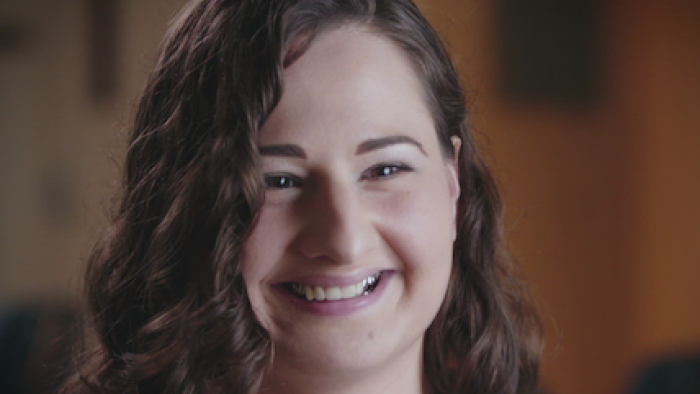
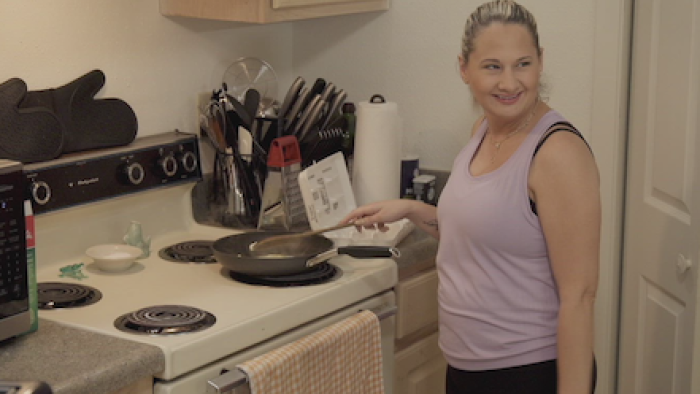
GYPSY ROSE: LIFE AFTER LOCKUP is an unscripted series that follows abuse survivor and convicted murderer Gypsy Rose Blanchard after her release from prison. In 2016, 23-year-old Blanchard pleaded guilty to second-degree murder for her involvement in the death of her mother, Dee Dee Blanchard, and was sentenced to 10 years in prison. During the murder investigation, it was discovered that Dee Dee had Munchausen syndrome by proxy and had submitted her daughter to a life of physical, mental, and medical abuse. Now 32 years old, cameras follow as Gypsy Rose is released from prison on parole, moves to Louisiana, and adjusts to life outside of prison and with her husband, Ryan Anderson. As she reconnects with her dad Rod, stepmom Kristy, and half-sister Mia, she's working on developing her own identity that's separate from her difficult past. Learning how to live as a free woman can be hard, especially when it comes to working on herself and her relationships while constantly being a source of media speculation. But she wants to move forward, live a fulfilled life, and help others who have also survived abuse. Can she?
Is It Any Good?
The voyeuristic series follows common unscripted formulas while telling a story that is both sad and disturbing. In Gypsy Rose: Life After Lockup, Blanchard is portrayed as a sympathetic figure who's looking forward to building a "normal" life—in front of TV cameras—after surviving a childhood of abuse and serving time in prison. She also tries to carry herself as a positive person with a strong sense of self.
Despite her resilience, it's obvious that Blanchard is still working through past trauma as she builds interpersonal relationships and integrates herself into the mundane routines of daily life. She also engages in imprudent and dysfunctional behaviors as she continues her emotional growth, especially when it comes to romance and sex. All of this is played out publicly to maximize the drama and keep viewers interested in what's happening, which makes the series seem less about inspiration and more about exploitation for attention and money. Some folks will find it entertaining, while others may feel that Gypsy Rose: Life After Lockup is telling a story that is best shared off camera for now.
Talk to Your Kids About ...
Families can talk about Munchausen syndrome by proxy. What is it? How can children be protected from it?
What is the purpose behind producing Gypsy Rose: Life After Lockup? To provide Gypsy Rose Blanchard with an income? To help others? Or to create some sort of entertainment out of another person's dysfunction?
TV Details
- Premiere date : June 3, 2024
- Cast : Gypsy Rose Blanchard , Rod Blanchard , Kristy Blanchard
- Network : Disney+
- Genre : Reality TV
- TV rating :
- Last updated : May 3, 2025
Did we miss something on diversity?
Research shows a connection between kids' healthy self-esteem and positive portrayals in media. That's why we've added a new "Diverse Representations" section to our reviews that will be rolling out on an ongoing basis. You can help us help kids by
Suggest an Update
Common Sense Media's unbiased ratings are created by expert reviewers and aren't influenced by the product's creators or by any of our funders, affiliates, or partners.
See how we rate