







Common Sense Media Review
 By Emily Ashby
,
based on child development research. How do we rate?
By Emily Ashby
,
based on child development research. How do we rate?
Racy sexual content overshadows insightful anime's messages.
Parents Need to Know
Why Age 17+?
Any Positive Content?
Where to Watch
Videos and Photos


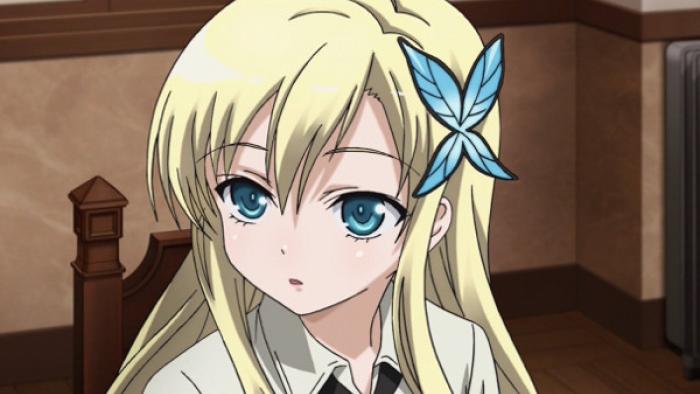
Haganai




Parent and Kid Reviews
Based on 1 parent review
Based on 12 kid reviews
Kids say this show is clearly not suitable for children, as it contains a significant amount of sexual content and explicit language that escalates throughout the series. While some reviewers argue that it's fine for mature teens, the overarching consensus emphasizes the need for parental discretion due to its mature themes and explicit scenes.
- mature content
- explicit language
- parental discretion
- sexual themes
- audience age
 Summarized with AI
What's the Story?
A recent transfer student to St. Chronica's Academy, Kodaka (voiced by Jerry Jewell) has had trouble making friends because of a poor first impression, but a chance encounter with loner Yozora (Whitney Rodgers) shows him he's not alone in craving connections with peers. The two decide to start the Neighbors Club, a group for people struggling to find meaningful friendships in traditional niches at school. Their first member is Sena (Jad Saxton), the school's popularity queen, who claims to want something more than the constant adoration of her following of boys, but her contentious dealings with Yozora immediately cast doubt on the club's viability. As other students join, including Kodaka's younger sister, Kobato (Alison Viktorin), Kodaka and Yozora learn that friendship isn't always easy.
Is It Any Good?
HAGANAI takes a surprisingly insightful stance on the complications of teen relationships, and many of its messages about self-esteem and individuality are things you'd want your own teen to hear. The stories illustrate the dangers of judging someone by his appearance, for instance, and express the sense of despair teens feel when they're socially isolated. What's more, Kodaka's and Yozora's willingness to remedy this void in their lives by reaching out to their peers shows courage not many teens could muster in a similar situation. And even though they're rife with stress, the fact that friendships are forged across status lines suggests underlying similarities among the disparate teens.
So it's a real head-scratcher as to why Haganai intentionally puts itself and its positive messages out of reach for many teens by incorporating such racy, red-letter content among its high school-age characters. What with the full-figure nudity (minus views of the groin and frontal shots of breasts) and persistent suggestions of sexuality, Haganai is mature fare, and its likable messages are mostly lost on those who are on the other side of their teen years.
Talk to Your Kids About ...
Families can talk about this show's intended audience. What, if anything, would adults enjoy about the show? Why would creators make the series so racy if its messages are beneficial to teens?
Teens: How is sexuality presented in the media? Do shows you watch suggest that most teens are sexually active or at least thinking about sex? How does this compare to what you see among your peers?
Would you agree with some of the characters' impressions of social difficulties? What pressures do you feel to fit in with certain peer groups? Why is it important to nurture friendships?
TV Details
- Premiere date : October 7, 2011
- Cast : Jerry Jewell , Whitney Rodgers , Jad Saxton
- Network : Hulu
- Genre : Anime
- Topics : Family Stories ( Siblings ) , Friendship , School ( High School )
- TV rating :
- Last updated : October 8, 2026
Did we miss something on diversity?
Research shows a connection between kids' healthy self-esteem and positive portrayals in media. That's why we've added a new "Diverse Representations" section to our reviews that will be rolling out on an ongoing basis. You can help us help kids by
Suggest an Update
Common Sense Media's unbiased ratings are created by expert reviewers and aren't influenced by the product's creators or by any of our funders, affiliates, or partners.
See how we rate