







Common Sense Media Review
 By Melissa Camacho
,
based on child development research. How do we rate?
By Melissa Camacho
,
based on child development research. How do we rate?
Courageous women in talky, mature docu about religious org.
Parents Need to Know
Why Age 15+?
Any Positive Content?
Where to Watch
Videos and Photos


How I Left the Opus Dei
Parent and Kid Reviews
What's the Story?
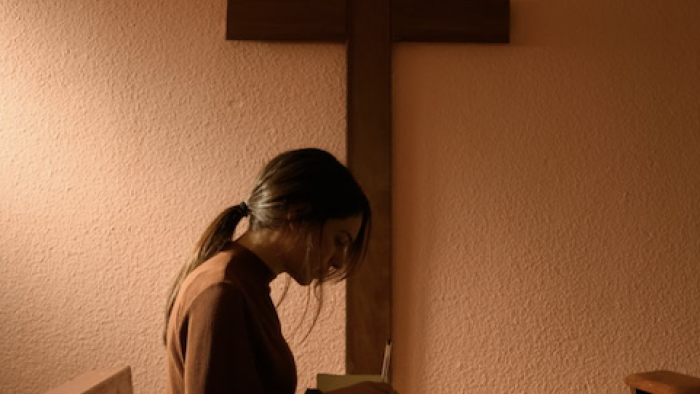
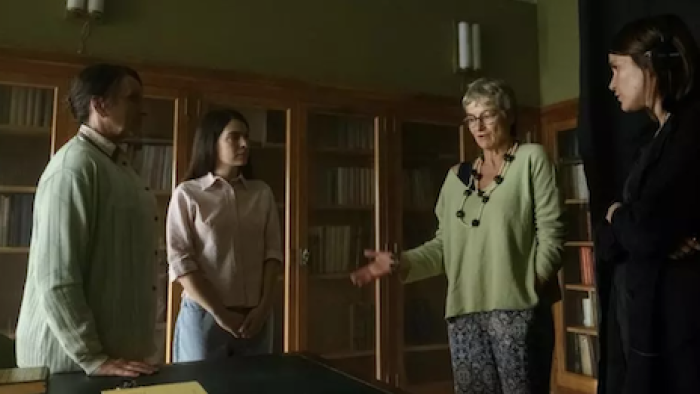
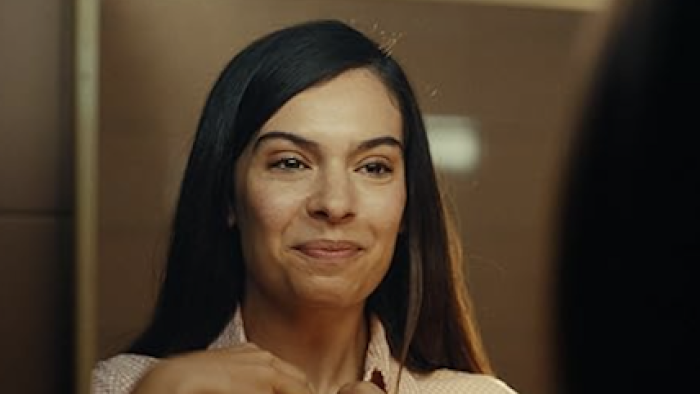
El minute Heroico: Yo también dejé el Opus Dei, or HOW I LEFT THE OPUS DEI is a Spanish documentary series that features the personal testimonies of women who left the controversial Catholic organization after years of exploitation and abuse. In 1928, Spanish priest, lawyer and now canonized saint Josemaría Escrivá de Balaquer y Albás founded Opus Dei (Latin for "Work of God") within the Roman Catholic church to encourage laypeople to heed the call to pursue holiness in their daily lives and secular professions. About 70% of the organization's global membership, a.k.a. the numerary, consists of married "supernumeraries" who secretly balance their role as apostolates with their daily family, social, and professional obligations. The other 30% is mostly comprised of unmarried laypeople who work non-secular jobs and choose to remain single, celibate, and commit their lives to the organization. Now thirteen women are publicly coming forward to describe the emotional and psychological abuse they endured. From being recruited as minors, to constantly performing acts of self-sacrifice and penance, including daily self-mortification (self-inflicted corporal punishment), they discuss what it was like to live in the patriarchal and isolated community. Dramatic reenactments featuring actress Claudia Traisac help tell their stories, while conversations with psychologists, journalists, and legal experts offer additional insights into Opus Dei and how it has amassed power and weath.
Is It Any Good?
This intriguing but talky documentary series showcases former female members of Opus Dei as they recount their personal experiences within the secretive and patriarchal religious organization. The women in How I Left the Opus Dei all describe the cult-like grooming and indoctrination processes that were used to recruit them as young teens. Some also point out how the numeraries who approached them deliberately targeted them because they were economically disadvantaged, and used promises of scholarships and educational programs as a way of encouraging them to join. They also describe how their phone calls, mail, and behavior were constantly being monitored, and how questioning things was seen as unfaithful. How the years of combined emotional, psychological, spiritual, and economic abuse made it almost impossible for them to leave is also addressed.
Granted, no one from Opus Dei chose to respond to their declarations, nor does How I Left the Opus Dei strive to be objective. But it does address some of the reforms the Vatican imposed on the organization after women started to come forward, file lawsuits, and speak to media about about their experiences only a few years prior to this series. Nonetheless, this is an unapologetic and worthwhile presentation of survival stories, and gives voice to women who want to protect others from an institution that is more interested in having women serving the needs of powerful men rather than allowing them to be full participants in a larger spiritual journey.
Talk to Your Kids About ...
Families can talk about the changes Pope Francis officially made to Opus Dei between 2022-2023 to make the institution more transparent and to reduce the power of its leadership. Do you think they'll be effective in keeping teenagers and numeraries from being exploited?
How has Opus Dei been represented in media over the years? Do the stories told in How I Left the Opus Dei support or challenge these representations?
TV Details
- Premiere date : February 7, 2025
- Cast : Claudia Traisac
- Network : Max
- Genre : Reality TV
- Topics : Activism
- Character Strengths : Compassion , Courage , Humility , Perseverance
- TV rating :
- Last updated : September 18, 2025
Did we miss something on diversity?
Research shows a connection between kids' healthy self-esteem and positive portrayals in media. That's why we've added a new "Diverse Representations" section to our reviews that will be rolling out on an ongoing basis. You can help us help kids by
Suggest an Update
Common Sense Media's unbiased ratings are created by expert reviewers and aren't influenced by the product's creators or by any of our funders, affiliates, or partners.
See how we rate