







Common Sense Media Review
 By Emily Ashby
,
based on child development research. How do we rate?
By Emily Ashby
,
based on child development research. How do we rate?
Positive messages outshine bullying in tween-friendly movie.
Parents Need to Know
Why Age 7+?
Any Positive Content?
Where to Watch
Videos and Photos


How to Build a Better Boy
Parent and Kid Reviews
Based on 2 parent reviews
Based on 10 kid reviews
Kids say this show is cheesy and fun, though many find it to be a cliche with a nonsensical plot. While some appreciate its lightheartedness and moral lessons, others criticize it for unrealistic portrayals and lack of depth, making it suitable mainly for younger audiences.
- cheesy fun
- clichéd plot
- unrealistic portrayals
- family friendly
- moral lessons
 Summarized with AI
What's the Story?
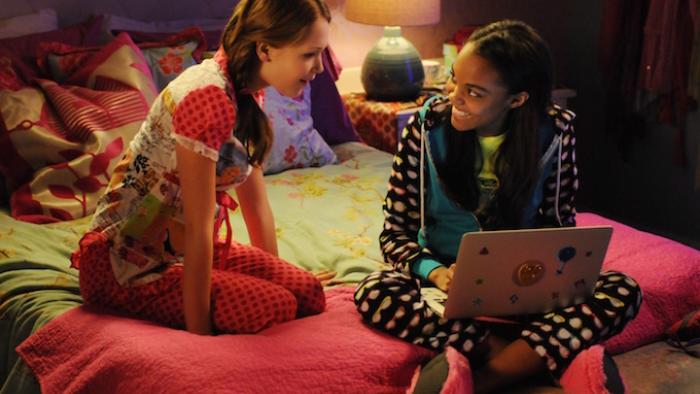
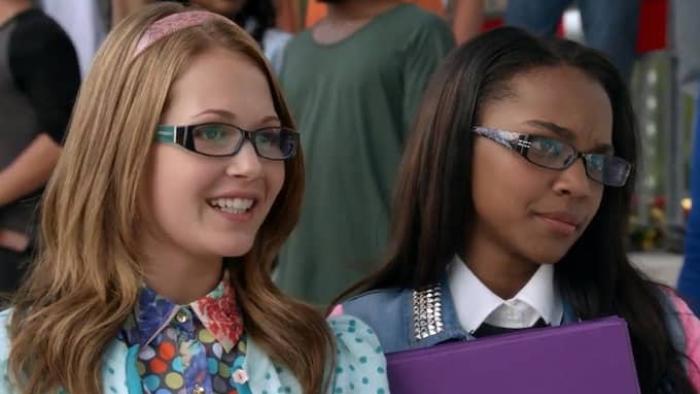
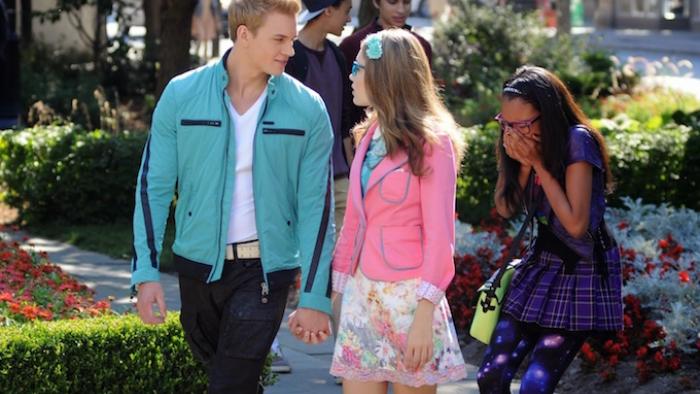
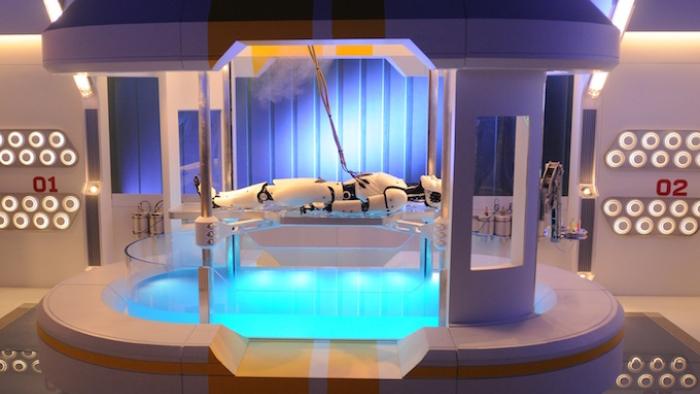
HOW TO BUILD A BETTER BOY stars China Anne McClain and Kelli Berglund as best friends Gabby and Mae, teen geniuses whose aptitude in the classroom makes them social pariahs outside of it. But, while Gabby relishes the distinction between herself and what she sees as her less-evolved peers, Mae secretly longs for the elusive popularity enjoyed by the likes of social queen Nevaeh (Ashley Argota), particularly if it means putting cute guys like Jaden (Noah Centino) within reach. In an effort to assuage her best friend's desires, Gabby hacks into Mae's father's computer system and creates a virtual boyfriend on what she thinks is his new video game creation, but trouble of epic proportion erupts when the imaginary Albert (Marshall Williams) comes to life and shows up at school, thrusting Mae into the spotlight and both girls into the middle of a national security threat.
Is It Any Good?
This movie appeals to kids and parents with feel-good messages about self-acceptance and standing tall in the face of pressure to conform. Viewers have come to expect a lot from Disney's movies in recent years. Kids wait with bated breath to see their favorite TV stars in different roles, and they want dynamic story lines that will carry them contentedly from the opening to the closing credits. Parents, on the other hand, hope for content that doesn't raise any red flags for that tricky tween age group and has some positive lessons to share. How to Build a Better Boy fits both bills, all played out by a new arrangement of familiar Disney faces guaranteed to draw young crowds. Sure, the concept isn't a new one (ever seen Weird Science?), but it's unlikely that kids in this target age group have seen it done before.
Still, to properly illustrate its points, the story has to start with a premise that won't feel so good to parents in particular, namely that social castes exist and are drawn in indelible lines. Gabby and Mae suffer terribly at the hands of their more popular peers (though they stay mostly upbeat throughout it all), and it's pretty evident that aptitude and popularity are mutually exclusive among this group. But, just as you must first dig a hole to enable a flower to bloom, How to Build a Better Boy lays down roots in this negativity only to transform itself into something that reminds kids of the value of self-acceptance, and that's a beautiful thing.
Talk to Your Kids About ...
Families can talk about how reality compares to expectation in How to Build a Better Boy. In your experience, do things ever turn out exactly as you hope they will? What other factors come into play? Are the results ever surprising in a good way?
Kids: Have you ever witnessed the kind of bullying that exists in this movie? Why are Gabby and Mae ridiculed for being smart? How would you handle being in a position like theirs?
Why don't Gabby and Mae face any consequences for their actions? Is this kind of thing the norm in the shows you watch? What message does this send to viewers about personal responsibility?
How do the characters in How to Build a Better Boy demonstrate integrity? Why is that an important character strength?
TV Details
- Premiere date : August 15, 2014
- Cast : China Anne McClain , Kelli Berglund , Ashley Argota , Marshall Williams
- Network : Disney Channel
- Genre : Comedy
- Topics : Friendship , School ( High School )
- Character Strengths : Integrity
- TV rating :
- Last updated : October 9, 2025
Did we miss something on diversity?
Research shows a connection between kids' healthy self-esteem and positive portrayals in media. That's why we've added a new "Diverse Representations" section to our reviews that will be rolling out on an ongoing basis. You can help us help kids by
Suggest an Update
Common Sense Media's unbiased ratings are created by expert reviewers and aren't influenced by the product's creators or by any of our funders, affiliates, or partners.
See how we rate