







Common Sense Media Review
 By Melissa Camacho
,
based on child development research. How do we rate?
By Melissa Camacho
,
based on child development research. How do we rate?
Harrowing stories and video in raw, honest hurricane docu.
Parents Need to Know
Why Age 15+?
Any Positive Content?
Where to Watch
Videos and Photos


Katrina: Come Hell and High Water
Parent and Kid Reviews
What's the Story?
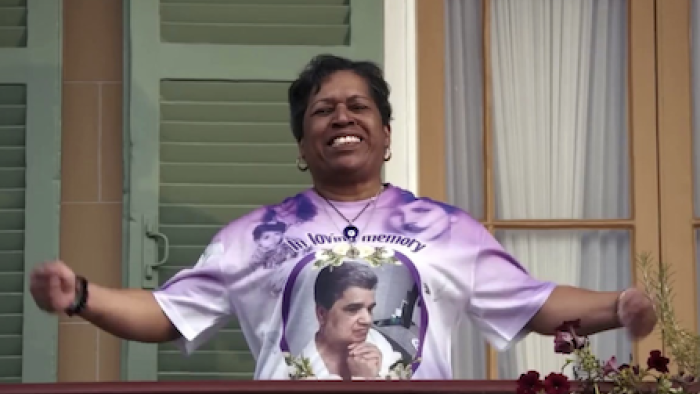
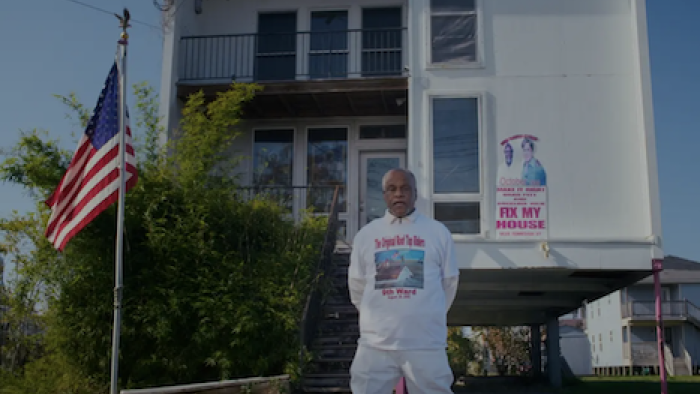
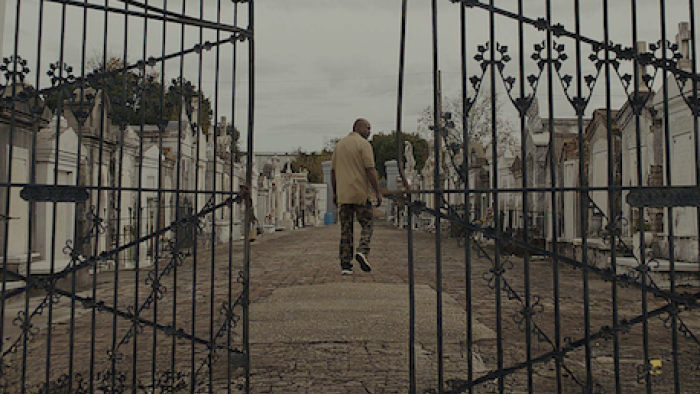
KATRINA: COME HELL AND HIGH WATER is a three-part docuseries that chronicles what happened in New Orleans during Hurricane Katrina from survivors' points of view. On August 29, 2005, Hurricane Katrina made landfall on the coast of Louisiana as a Category 3 hurricane, causing widespread damage and breaches in the levees designed to protect NOLA and surrounding parishes. By August 30, 80% of the city and the surrounding areas were under water. Twenty years later, survivors including Leanne Williams, Shelton Alexander, and Tremé resident and journalist Katy Reckdahl share their experiences before, during, and after the catastrophic storm, highlighting the mistakes made by the local, state, and federal government that ultimately led to the death of nearly 1400 people. Interviews with former mayor Marc H. Morial, journalist Soledad O'Brien, and U.S. Army Lieutenant General Russell Honoré help shed light on the systemic failures. They also address how racism and poverty played a role in the way people in the area were treated before and after the hurricane, and how the media chose to tell their stories. Archive footage of the storm and its aftermath, along with home videos taken by residents, show the structural and human devastation. Meanwhile, survivors also talk about how the events surrounding Hurricane Katrina changed the sociocultural dynamics of New Orleans, and how locals are doing their best to recover it. As a way of highlighting this, the third installment of the series features spoken-word poetry, musical performances, and other presentations that encapsulate NOLA's culture and soul.
Is It Any Good?
Co-executive produced by Spike Lee, the raw and unapologetic docuseries discusses how infrastructure failure, slow government responses, and disproportionate race and class divides worsened the impact of Hurricane Katrina on the city of New Orleans. Survivors, some of who were children in 2005, share in Katrina: Come Hell and High Water how late evacuation orders were issued, how poorly they were carried out, and in some cases, how a lack of resources made them impossible to follow. Some share frightening stories and cell phone footage of weathering the storm in their homes, at the Hyatt Regency, and in the Louisiana Superdome, along with the serious damage those structures sustained while they were inside. They also describe the unimaginable human suffering that followed, including watching helplessly as loved ones drowned in rising floodwaters, and trying to survive without power, sanitation, relief from the heat, or even the most basic resources. Adding to this are some of the recovery failures residents dealt with after Hurricane Katrina, such as having to contend with poorly built homes constructed by the Make It Right Foundation, a nonprofit organization founded by actor Brad Pitt.
Throughout these narratives are conversations about how news media perpetuated existing biases when reporting on what was happening in the city, which affected rescue efforts, and exposed the long-standing systemic racism and structural poverty in the area to the world. But despite the distressing reminders of the human failures that led to these devastating catastrophes, Katrina: Come Hell and High Water also pays tribute to New Orleans and its ability to rise above and persevere. Ultimately, the overall production is not an easy watch, especially for those who are old enough to remember what transpired. But it's an important reminder of how we, as a country, and as humans beings, need to do better.
Talk to Your Kids About ...
Families can talk about the role media plays in helping people stay safe during hurricanes, tornadoes, and other natural disasters.
Does Katrina: Come Hell and High Water offer a fair assessment of what went wrong during Hurricane Katrina? What has improved since then? What hasn't?
TV Details
- Premiere date : August 27, 2025
- Cast : Soledad O'Brien , Russell Honoré , Marc H. Moria
- Network : Netflix
- Genre : Reality TV
- Character Strengths : Courage
- TV rating :
- Award : Common Sense Selection
- Last updated : September 2, 2025
Did we miss something on diversity?
Research shows a connection between kids' healthy self-esteem and positive portrayals in media. That's why we've added a new "Diverse Representations" section to our reviews that will be rolling out on an ongoing basis. You can help us help kids by
Suggest an Update
Common Sense Media's unbiased ratings are created by expert reviewers and aren't influenced by the product's creators or by any of our funders, affiliates, or partners.
See how we rate