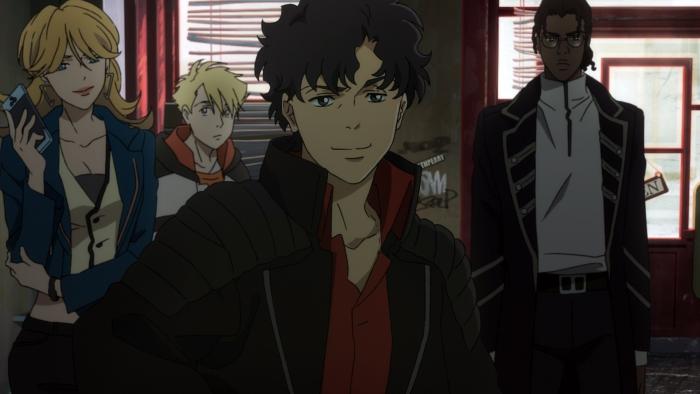
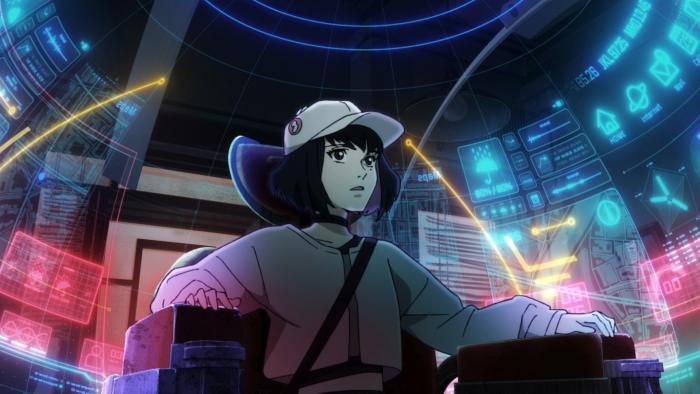
Parents need to know that Lazarus is an action-heavy sci-fi drama about preventing a global crisis caused by a new drug called "hapna." A secret group of outlaws searches for the missing scientist who developed hapna. They get caught in stunt-heavy fight scenes, exciting chase scenes, and moderately graphic violence. Characters fight with martial arts, firearms, and improvised weapons. Violence includes hostage situations, attempted suicide, animal testing, sexual assault, and murder. Crude language ranges from insults ("scumbag," "piece of garbage") to swearing ("ass," "bitch," "crap") to death threats. Hapna is a big part of the social setting, but it's only taken on-screen once. The main characters at most drink a little alcohol while undercover at a dance club. The show explores reasons why people would seek out a drug that helps them not feel any type of pain, including mental or emotional pain. It also discusses the negative social, economic, and environmental impacts of this kind of fad—especially in a cyber-futuristic world with artificial intelligence.
Violence & Scariness
a lot
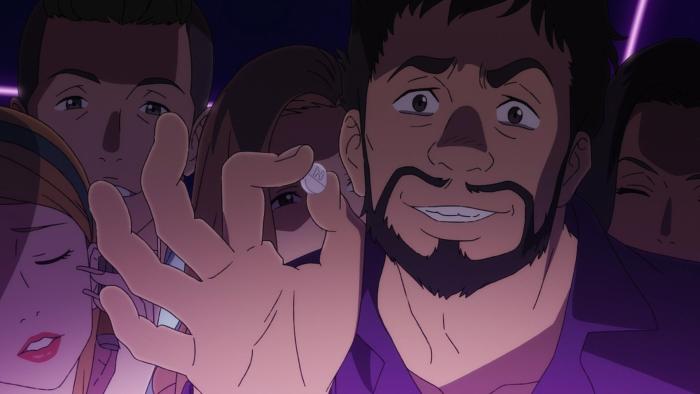
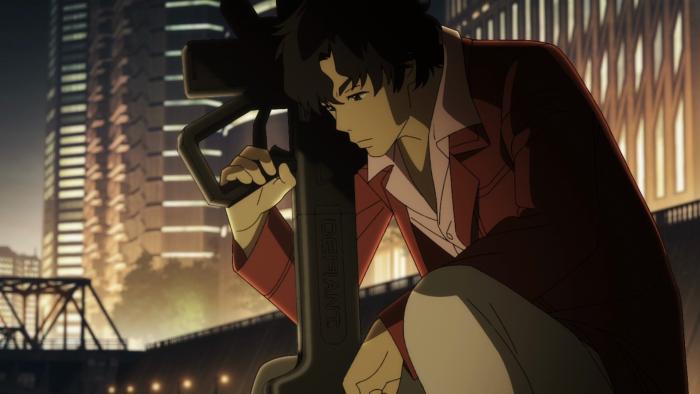
Lots of action-movie fight and chase scenes. Physical violence includes martial arts, fist-fights, hostage situations, attempted suicide, animal death, and murder. Small splashes or smears of blood. Injuries aren't very graphic. Frequent use of different types of guns. Other weapons like knives, batons, improvised weapons are less frequent. Risky stunts like jumping onto flying helicopters, falling from heights, reckless driving. A character drugs women's drinks at a night club. He tells his companions "do whatever you want to them." They briefly touch and kiss the unconscious women in the background until another character stops them. Threat of harm from bracelets that electrocute wearers.
Did you know you can flag iffy content?
Adjust limits for Violence & Scariness in your kid's entertainment guide.
Frequent swears like "ass," "jacka--," "a--hole," "bitch," "crap," "dammit," "son of a," "frickin'," and "chickens--t." Some crude language like "get wrecked," "scumbag," "sleazebag," "piece of garbage." Verbal threats to kill or saying someone deserves to die.
Did you know you can flag iffy content?
Adjust limits for Language in your kid's entertainment guide.
In the future, "hapna" is a popular new drug that makes people not feel any pain. People use it for many reasons but mostly to escape reality, feel in control, or have fun. Plot focuses on how hapna has become a global danger and the negative impacts of the fad. A minor character takes a pill on-screen. Characters drink alcohol at a dance club. A character admits to spiking a punch bowl with drugs that make people sleepy and unable to remember things.
Did you know you can flag iffy content?
Adjust limits for Drinking, Drugs & Smoking in your kid's entertainment guide.
Direct mention of SoundCloud. Generic reference to social media. Episodic characters are deeply invested in using artificial intelligence.
Positive Messages
some
A major theme is all the reasons people would want to escape their pain, and why a fad drug that changes the human experience would be a bad idea. Themes of teamwork, loyalty, fighting for a better future. Our past doesn't have to define our future. We can make changes for the better.
Positive Role Models
a little
A ragtag group of outcasts in trouble with the law come together and bond as a team. They learn to support one another and help each other make better choices.
Diverse Representations
a little
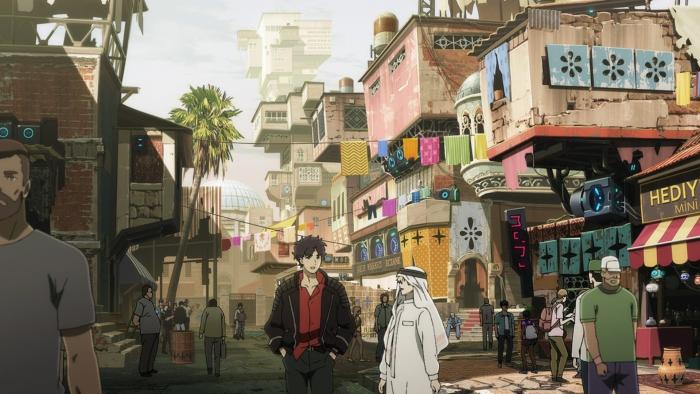
Internationally diverse characters. Direct mentions of being American, Brazilian, Nigerian, Russiand, Canadian, Chinese, and Turkish. Characters have ties to international groups, but their heritage doesn't otherwise impact the story. The main group is based on America but travels to Istanbul, the Philippines, the Maldives, Japan, and Tuvalu. They hear mention of how poverty impacts people globally. Minor characters who affect the plot include a transgender woman, unhoused people, and people diagnosed with analgesia (the inability to feel pain). While there's a variety of simple representation, the story doesn't go much in depth on issues marginalized people may face. Character sometimes contradict positive representations. Some male characters make sexist remarks like "females don't know anything," "other women seemed like a bunch of sluts," and teasing a teen boy for dressing up as a girl for undercover work. There's also a brief, but stereotypical portrayal of a new religious movement as a "cult" that worships an AI deity.
LAZARUS takes place in 2049, when a new drug know as "hapna" becomes globally popular for its ability to relieve users of any and all pain. Its developer, Dr. Skinner, disappears one day, with the announcement that hapna will soon kill anyone who used it even once. A special task force is assembled to find Dr. Skinner in just 30 days or risk the demise of humankind.
Is It Any Good?
Our review:
Parents say :Not yet rated
Kids say :Not yet rated
This cyber sci-fi drama with anti-drug messaging has exciting action but falls a little flat. Lazarus has an interesting setup and could say lots about substances, society, and why so many people want to escape their lives. Unfortunately, the characters are a little too one-note, and the story doesn't dig very deep into any of the various social issues it glosses over. That said, it's a fun watch and there is the potential for further discussion on social commentary. Just know you'll be doing a lot of the legwork, since Lazarus on i's own prioritizes antihero action flick fight scenes over nuanced social commentary.
Talk to Your Kids About ...
Families can talk about substance use. Why did characters choose to take hapna? What does the show recommend as healthy alternates for coping?
How does working as a team help the members of Lazarus change and grow as people? What do they learn from one another?
What do you think Dr. Skinner was trying to "teach" the world? Was his plan successful? How can people inspire global change?
Research shows a connection between kids' healthy self-esteem and positive portrayals in media. That's why we've added a new "Diverse Representations" section to our reviews that will be rolling out on an ongoing basis. You can help us help kids by
Common Sense Media's unbiased ratings are created by expert reviewers and aren't influenced by the product's creators or by any of our funders, affiliates, or partners.