







Common Sense Media Review
 By Melissa Camacho
,
based on child development research. How do we rate?
By Melissa Camacho
,
based on child development research. How do we rate?
Sensational true crime tale has cursing, drinking, innuendo.
Parents Need to Know
Why Age 15+?
Any Positive Content?
Where to Watch
Videos and Photos


Little Nicholas: Life of a Scoundrel

Parent and Kid Reviews
What's the Story?
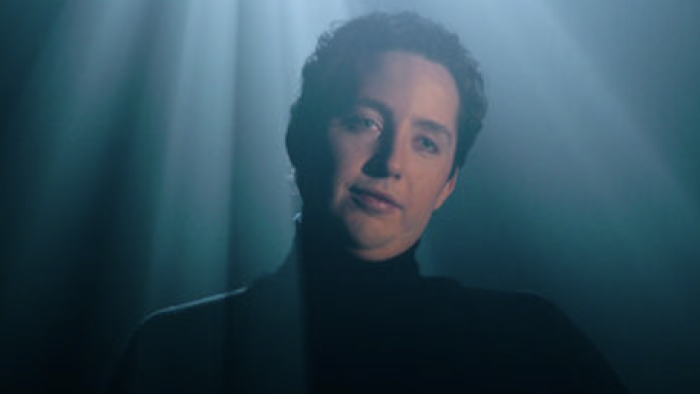
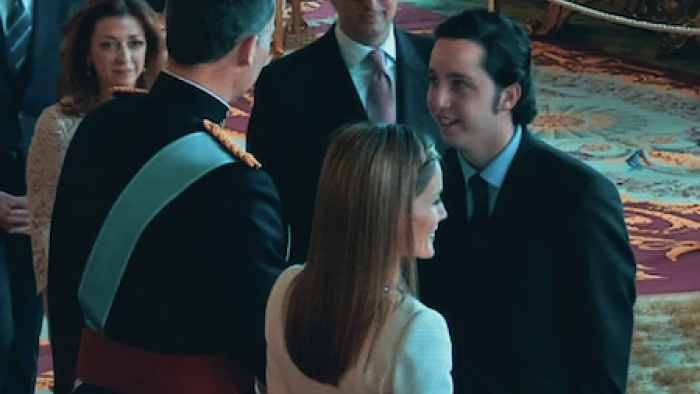
LITTLE NICHOLAS: LIFE OF A SCOUNDREL (a.k.a. (P)îcaro: El pequeño Nicolás) is a Spanish docuseries about a 20-year-old law student who scammed his way into the upper echelons of politics, business, and royalty. As a child, Francisco Nicolás Gómez Iglesias, a.k.a. "Little Nicholas" dreamed of being rich, famous, and powerful. By the time he was arrested in 2014, university student Nicholas had created a double life in which he was a self-proclaimed successful political advisor, business broker, and an alleged operative for Spain's National Intelligence Center (CIN). He even managed to crash King Felipe VI's crowning celebration by posing as a royal envoy. Using interviews with investigators, journalists, lawyers, his mother, and some of his victims, the criminal details surrounding his charade are discussed. Meanwhile, Nicholas himself shares some of the specifics about his life as a member of the socio-political elite, and explains some of the ways he was able to fabricate and maintain his false identity. Archive footage of him as a child, as a notorious media celebrity, and of him surrounded by high-ranking political and government figures are shown throughout.
Is It Any Good?
The Spanish true crime docuseries shares what is one of the most fascinating and absurd stories in the country's history. "Little Nicholas" -- who at the time was awaiting trial for sending someone else to take his university entry exams (and who is now serving at least 12 years in prison for additional forgery, fraud, and identity theft convictions) -- smugly explains the various ways he was able to convince ambitious people that he was a political and royal envoy with the power to broker business deals on the government's behalf. The charlatan also describes some of his top secret undercover work, the evidence for which is non-existent.
Little Nicholas: Life of a Scoundrel raises lots of questions about how easily the young man was able to network his way into infiltrating Spain's political and economic power structure, it simultaneously highlights how some elite operatives are protecting themselves from the fallout by claiming that he had "inside help." These accusations are openly contradicted during interviews with Nicholas' alleged facilitators, and these edited conversations sometimes get a little confusing. Nonetheless, watching Francisco Nicolás Gómez Iglesias brazenly explain how he pulled out all the criminal stops to live out his fantasy while simultaneously claiming his innocence is bizarrely entertaining.
Talk to Your Kids About ...
Families can talk about why some people accused or convicted of a crime become celebrities. Is it a result of media's attempts at drawing attention to a story, or the public's fascination with the events that transpired?
How does Little Nicholas: Life of a Scoundrel portray "Little Nicholas"? Does he appear smart? Likable? Innocent? Guilty? Why did he decide to appear in this documentary?
TV Details
- Premiere date : February 15, 2024
- Cast : Francisco Nicolás Gómez Iglesias
- Network : Netflix
- Genre : Reality TV
- TV rating :
- Last updated : March 11, 2024
Did we miss something on diversity?
Research shows a connection between kids' healthy self-esteem and positive portrayals in media. That's why we've added a new "Diverse Representations" section to our reviews that will be rolling out on an ongoing basis. You can help us help kids by
Suggest an Update
Common Sense Media's unbiased ratings are created by expert reviewers and aren't influenced by the product's creators or by any of our funders, affiliates, or partners.
See how we rate