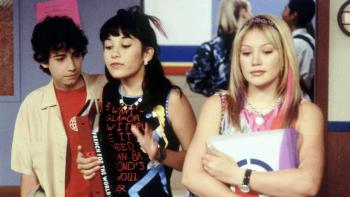


Parents need to know that Lizzie McGuire follows 13-year-old Lizzie (Hilary Duff) as she navigates the ups and downs of middle school with her friends Miranda (Lalaine) and Gordo (Adam Lamberg). The popular show aired for just two seasons, but a spin-off movie was released soon after it ended. The series promotes positive messages about friendship and family support, but characters also frequently misbehave: Kids sneak into R-rated movies and lie about it to their parents. They flood the basement with water, and they splash paint all over the living room (often without clear consequences). Language includes insults like "ugly," "dork," "loser," "stupid," and "fatso." Middle schoolers have crushes, kiss chastely, date, gossip about a character "stuffing her bra," and call people "hot" and "stacked." Physical comedy includes electrocution, pratfalls, falling out of a tree, etc. (there's never any lasting injury). Characters bully one another at school with name-calling, pranks intended to humiliate, and pushing and shoving. Siblings and friends frequently argue. Costumes during a Halloween episode include obviously fake props like amputated limbs, blood, eyeballs, and skeletons with glowing eyes. The show was created by a Jewish woman, centers around girls and women, and also has Mexican American and Jewish characters in key roles. But gender norms are strongly enforced, and race-based clichés include gongs sounding for Asian-related jokes, a Black boy portrayed as sketchy when a White kid buys cards from him, and a Native American man bordering on mystical.
Language
a little
"Ugly," "dork," "freak," "loser," "stupid," "dumb," "insane," "lame," "fatso," and a mention of "slave girls" in a fictional movie called Vesuvius. Middle schoolers gossip about a character "stuffing her bra" and call people "hot" and "stacked."
Did you know you can flag iffy content?
Adjust limits for Language in your kid's entertainment guide.
Middle schoolers have crushes, kiss chastely, date, gossip about a character "stuffing her bra," and call people "hot" and "stacked." An episode centers around young teens getting their first bras. Adults kiss.
Did you know you can flag iffy content?
Adjust limits for Sex, Romance & Nudity in your kid's entertainment guide.
Minor injuries are played for humor: A character smashes someone's hand in a door jamb, electrocution, pratfalls, falling out of a tree, etc. A kid finds his pet lizard dead (not shown), and the family holds a funeral. There's middle school bullying, such as the cheer team calling a student "ugly" and "loser" at a pep rally, plus pushing and shoving. Sometimes the main characters "get back" at a classmate using similar bullying tactics. Frequent arguments between siblings and friends. A character calls herself fat and restricts her eating, getting lightheaded. There's never any lasting physical or emotional damage shown. Costumes during a Halloween episode include obviously fake props like amputated limbs, blood, eyeballs, and skeletons with glowing eyes, plus a "spooky" storyline around spirits playing pranks and moving objects. Brief gross-out images of earthworms.
Did you know you can flag iffy content?
Adjust limits for Violence & Scariness in your kid's entertainment guide.
Characters mention brands like Delia's and Hot Topic. Also pop culture references like Britney Spears, Shania Twain, Jet Li, etc., including an episode centered around the late Aaron Carter.
Positive Messages
some
Friends should always be there for one another, and parents are generally dependable. Have fun and be silly, even if you're a grown-up. It's OK, even encouraged, to make mistakes. But consequences aren't always shown, and popularity is a running theme that never gets challenged. Kids' mischief might go further than some caregivers are comfortable with, and pranks are often played as "boys will be boys" (sneaking into R-rated movies and lying about it to parents, splashing paint everywhere inside the house, flooding the basement with water to make a pool on a hot day, stealing from a neighbor's fruit tree without permission, etc.).
Positive Role Models
some
Lizzie makes mistakes and prefers to avoid conflict, but, with the help of her friends and parents, she works through her problems and makes amends when necessary. She and her best friends Miranda and Gordo look out for one another, providing support at every turn—though they also fight and cause mischief together, such as humiliating a classmate they don't like, sneaking onto a film shoot or into an R-rated movie, and littering (often without clear consequences). Lizzie doesn't have a great relationship with her younger brother, Matt; she calls him a "brat," and he's portrayed as a troublemaker (faking a cold to get out of going to school, lying about doing his homework, flooding the basement to make a swimming pool, etc.). They frequently squabble. Lizzie's parents are supportive and know how to admit when they're wrong. Another character bullies Lizzie and her friends with frequent put-downs and name-calling.
Diverse Representations
a little
Main characters Lizzie and her family are White. The show was created by a Jewish American woman and casts girls and women in main roles. Key characters include Lizzie's best friends, Miranda (who's Mexican American) and Gordo (who's Jewish). Characters seldom mention ethnicity, but when it does come up, it's explanatory (e.g., a Día de Muertos/Halloween episode, a bar mitzvah episode). Gender roles are strongly enforced: Girls/women focus on fashion and popularity, while boys/men act rowdy and immature. (In one episode, Lizzie plays flag football with boys, then frets that "No guy is ever going to want to take me on a date or to dances" if she's seen as too athletic.) Clichéd jokes include gongs sounding after Asian-related gags (though Asian people aren't the punch line), and a Native American man borders on mystical stereotype as he talks about catching fish with his bare hands. When a White kid gets addicted to a card game, he buys a card off of a Black dealer, with the scene styled to look "sketchy." Nearly everyone is thin, while average-sized minor characters are portrayed as unattractive or always eating. One episode tries to tackle the topic of disordered eating, but it's a shallow storyline that's resolved almost immediately. Another episode revolves around a game called "Dwarflord," and "dwarves" and "munchkin" are mentioned frequently in a fantasy context.
Did we miss something on diversity?
.
Educational Value
a little
Viewers can see strategies for maintaining long-term friendships and dealing with temporary fights and disagreements. That said, the show doesn't model positive strategies for bullying, which is shown as mostly harmless and funny.
Parents say that while some appreciate the humor and relatable themes of growing up in the show, there are concerns about its inappropriate messages, particularly in terms of role modeling and the focus on appearance. Many parents feel it’s suitable for their children and enjoy watching it together, but they critique certain scenes and the depiction of social behaviors that they view as unsettling.
bad role models
fun and funny
strong friendship themes
focus on appearance
suitable for kids
Summarized with AI
age 8+
Based on 30 kid reviews
What's the Story?
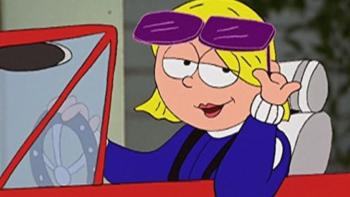
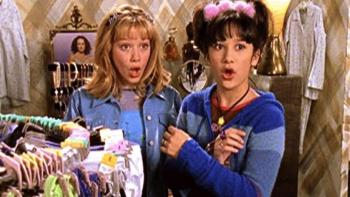
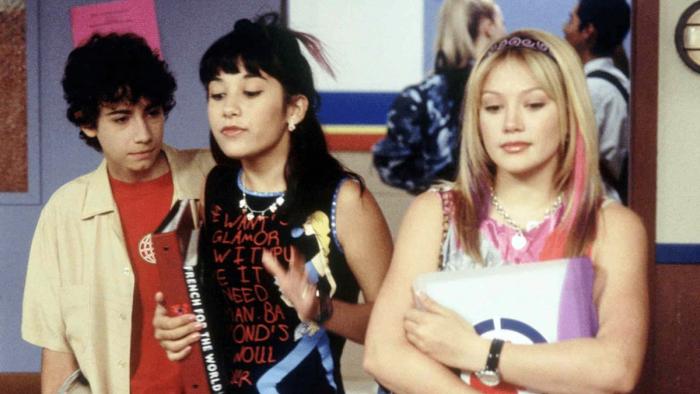
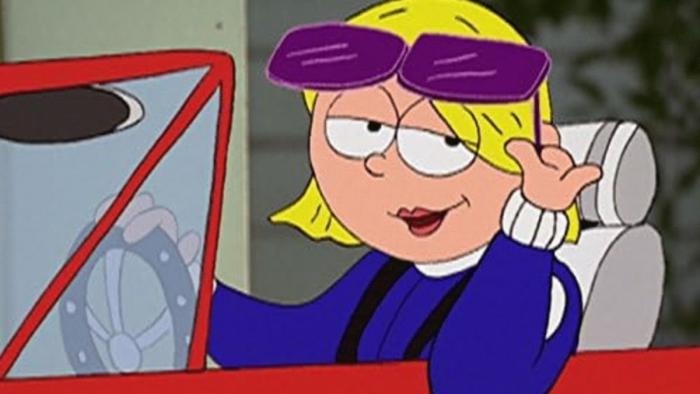
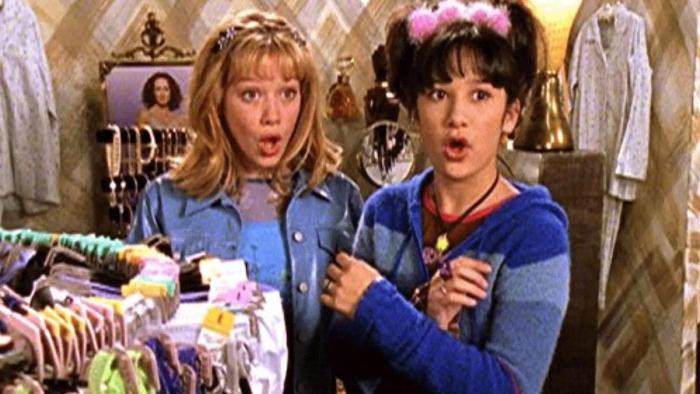
Thirteen-year-old LIZZIE MCGUIRE (Hilary Duff) is just trying to survive middle school with her best friends Miranda (Lalaine) and Gordo (Adam Lamberg) by her side. Between dealing with crushes, facing off against popular girl Kate (Ashlie Brillault), and navigating a social minefield, Lizzie has her hands full. Luckily, she can count on her supportive parents, Jo (Hallie Todd) and Sam (Robert Carradine), for guidance—even when her mischievous little brother, Matt (Jake Thomas), is causing chaos at home. With her animated alter ego revealing her innermost thoughts, Lizzie learns that growing up means making mistakes, standing up for yourself, and discovering that the best friendships can survive anything middle school throws at you.
It's easy to see why this upbeat Disney Channel show launched Duff to stardom. Lizzie McGuire keeps things snappy with freeze frames, silly sound effects, and an animated "Lizzie" who talks directly to viewers, making you feel completely in tune with the series' lead. But plenty of moments show their age, including cringey gags about eating, constricting gender stereotypes, and race-based clichés. Lizzie McGuire might not be the show that gives young viewers an expansive view of who they can become, but its earnestness is clear and other themes still resonate. Whether it's 2001 or 2051, buying your first bra can be fraught, siblings and friends will fight, and school villains like Kate might make you want to stay home with your head buried under a pillow. And, if you're lucky, friends like Miranda and Gordo, plus caring parents, will make a time of growing pains a little less painful.
Talk to Your Kids About ...
Families can talk about how Lizzie McGuire often depicts kids misbehaving but not always facing clear consequences. How might this affect young viewers' understanding of right and wrong? What are the benefits and drawbacks of showing characters breaking the rules?
Lizzie and her friends support one another, but they also get into fights and disagreements. How can conflict strengthen a relationship? How do you know when a relationship is no longer worth the effort? How can adults help kids distinguish between healthy and unhealthy bonds?
Did you notice any traditional gender roles in the show? How do the portrayals of girls/women and boys/men in Lizzie McGuire compare to people you know in real life? Is it important to show more expansive versions of people on-screen? Why, or why not?
Research shows a connection between kids' healthy self-esteem and positive portrayals in media. That's why we've added a new "Diverse Representations" section to our reviews that will be rolling out on an ongoing basis. You can help us help kids by
Common Sense Media's unbiased ratings are created by expert reviewers and aren't influenced by the product's creators or by any of our funders, affiliates, or partners.