







Common Sense Media Review
 By Melissa Camacho
,
based on child development research. How do we rate?
By Melissa Camacho
,
based on child development research. How do we rate?
Violence, drugs in docu aiming to humanize serial killer.
Parents Need to Know
Why Age 15+?
Any Positive Content?
Where to Watch
Videos and Photos


Making Manson
Parent and Kid Reviews
What's the Story?
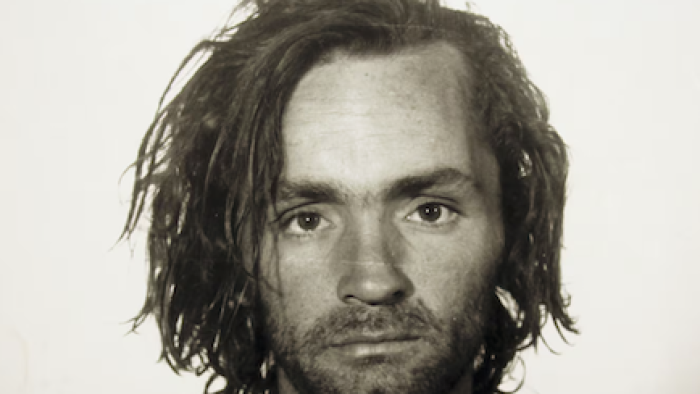
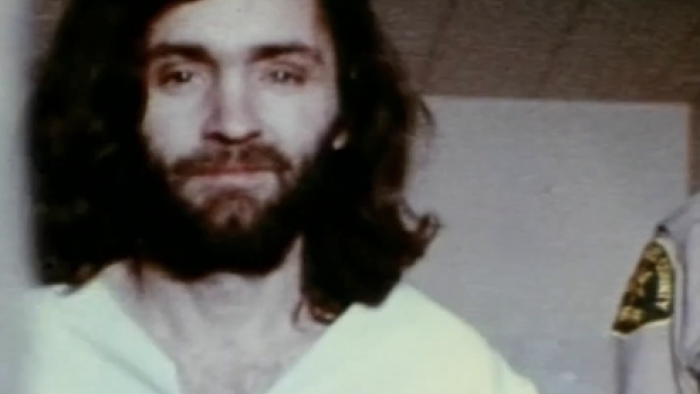
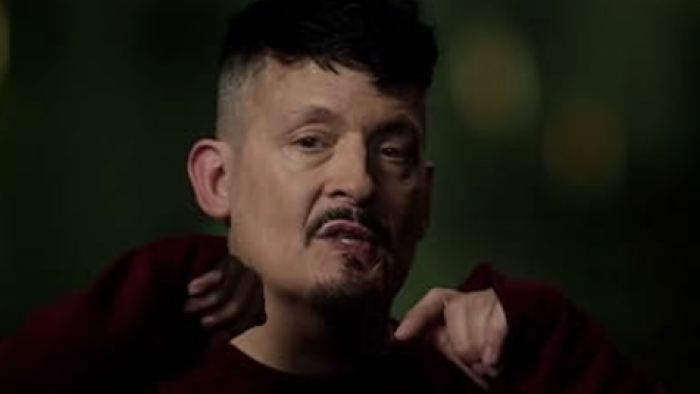
MAKING MANSON is a three-part docuseries that offers new insights into convicted serial killer Charles Manson. In the late 1990s John Michael Jones began writing to Manson in hope of getting an autograph from the notorious cult leader to sell for profit. Over time he became Manson's pen pal, and for nearly 20 years recorded their conversations until Manson's death in 2017. Now Jones is sharing these recordings, in which Manson discusses details about his childhood, his criminal behavior, and how he felt about being the head of his cult, "The Family." He also proclaims his innocence when talking about the infamous and brutal murders of actress Sharon Tate and the LaBiancas, placing much of the blame on the media and how it characterized him and the crimes that were committed. Interviews with Jones, historians, and criminologists reveal various details about Manson's life, and former members of The Family, including Dianne Lake and Catherine Share, offer their thoughts about what the killer shares in his recordings and recall what it was like to be part of Manson's cult.
Is It Any Good?
The sensational docuseries attempts to separate the man from the myth by sharing audio recordings of the late Charles Manson talking candidly about his troubled past and his life as a criminal. The Making Manson conversations aren't designed to exonerate the convicted killer from the crimes he openly admits to committing, but are intended to create doubt about his actual role in the Tate and LaBianca killings. Furthermore, John Michael Jones argues that because he spoke to Manson without judgment, Manson felt comfortable sharing more intimate details about himself and the people he was associated with. This not only paints a more nuanced picture of who Manson was, but challenges the decades of misconceptions about him that were allegedly created by the media frenzy surrounding the murders.
It has to be noted that there's no actual evidence presented beyond the rhetoric to corroborate Manson's personal narrative. Meanwhile, the discussions offered here seem like exercises in hair-splitting, aimed more at exploiting Manson's legacy than presenting genuine evidence of a wrongful conviction. As a result, Making Manson doesn't offer much more than what one would expect from a true crime series, which is to be more entertaining than informative.
Talk to Your Kids About ...
Families can talk about the reasons notorious serial killers remain relevant in popular culture over the years. What responsibility does media have in keeping their legacies alive?
Does Making Manson make you think differently about Charles Manson and his followers? Why?
TV Details
- Premiere date : November 19, 2024
- Cast : John Michael Jones , Dianne Lake , Catherine Share
- Network : Peacock
- Genre : Reality TV
- TV rating :
- Last updated : December 5, 2024
Did we miss something on diversity?
Research shows a connection between kids' healthy self-esteem and positive portrayals in media. That's why we've added a new "Diverse Representations" section to our reviews that will be rolling out on an ongoing basis. You can help us help kids by
Suggest an Update
Common Sense Media's unbiased ratings are created by expert reviewers and aren't influenced by the product's creators or by any of our funders, affiliates, or partners.
See how we rate