





Common Sense Media Review
 By Monica Encarnacion
,
based on child development research. How do we rate?
By Monica Encarnacion
,
based on child development research. How do we rate?
Captivating nature film, stunning visuals but intense peril.
Parents Need to Know
Why Age 12+?
Any Positive Content?
Where to Watch
Videos and Photos
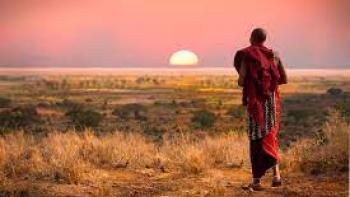
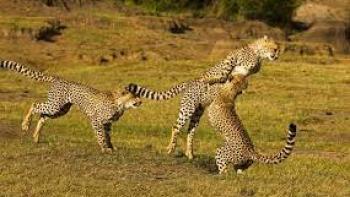
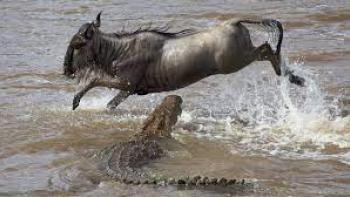
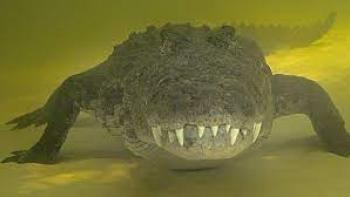
Masai Mara: The Big Hunt
Parent and Kid Reviews
What's the Story?
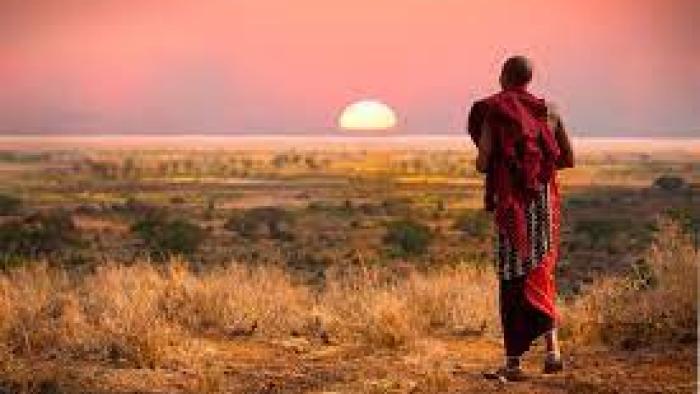
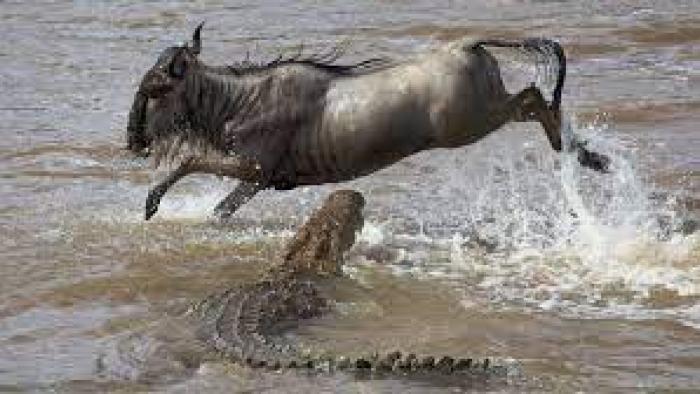
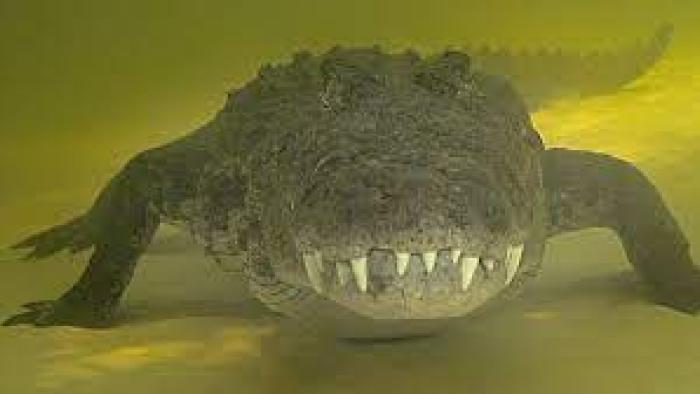
MASAI MARA: THE BIG HUNT is a nature documentary that provides an in-depth look at animal life along the Mara River in Kenya. As food supply in the Serengeti dwindles, black wildebeests, gazelles, zebras, antelopes, giraffes, elephants and many others, make their yearly trip from the south of the Serengeti to the north. They reach the Masai Mara region only to find nature's best laid trap, the Mara River, it's predators patiently awaiting their arrival. And no protagonist can match the killer that comes out of the water -- the crocodile. Captivating shots filmed underwater show how crocodiles prepare for the Big Hunt, while other predators lurk on the banks awaiting their bounty. There are stunning combats, heavy weight conflicts, and also touching family scenes where protective moms care for their young.
Is It Any Good?
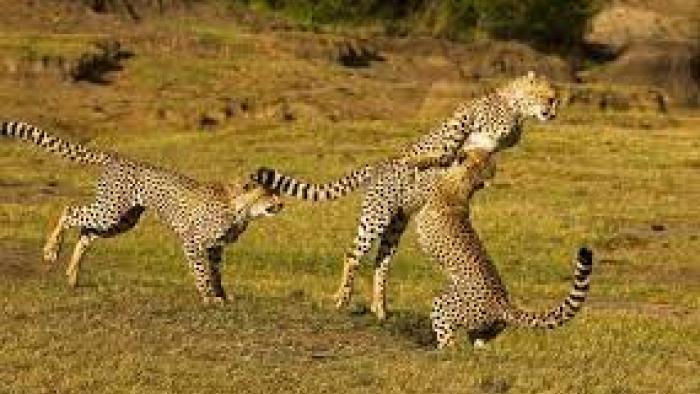
This 50 minute documentary gives us a fascinating look into African wildlife and covers the great migration as never before. Masai Mara: The Big Hunt teaches viewers about a multitude of animals, presenting us with scenes that are beautiful, scary, and sometimes just downright cute. Kids will learn about wild animals -- hippos, zebras, cheetahs, lions, giraffes, buffalos, elephants, and crocodiles, just to name a few. There's plenty to learn about these animals' physical and social characteristics, and their behaviors as they migrate and survive among the wildlife of the Masai Mara. Aside from learning about the hunt and the hunted, kids may be surprised to learn that even the most vicious hunter can be an extremely caring mother -- a mother crocodile gently places her young inside her mouth in order to safely transport them into the water. A Lioness plays with her cubs after hunting down and devouring a meal and we are told that mother hyenas suckle their young for a year, longer than other hunters.
Talk to Your Kids About ...
Families can talk about the big migration. Why are animals in Masai Mara: The Big Hunt moving north? How do climate and seasons affect their natural habitat? Why is the Mara River an ideal location for these migratory animals?
How does learning about wildlife promote curiosity? What animal are you interested in learning more about? Which of these animal's behaviors prompted you to want to learn more? Why?
How can we do our part to take care of wildlife?
TV Details
- Premiere date : August 7, 2021
- Networks : Max , Prime Video
- Genre : Educational
- Topics : Animals ( Wild Animals )
- Character Strengths : Curiosity
- TV rating :
- Last updated : September 30, 2025
Did we miss something on diversity?
Research shows a connection between kids' healthy self-esteem and positive portrayals in media. That's why we've added a new "Diverse Representations" section to our reviews that will be rolling out on an ongoing basis. You can help us help kids by
Suggest an Update
Common Sense Media's unbiased ratings are created by expert reviewers and aren't influenced by the product's creators or by any of our funders, affiliates, or partners.
See how we rate