








Common Sense Media Review
Teens embrace being different in sweet but sexy romcom.
Parents Need to Know
Why Age 15+?
Any Positive Content?
Where to Watch
Videos and Photos




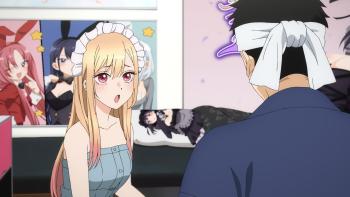
My Dress-Up Darling
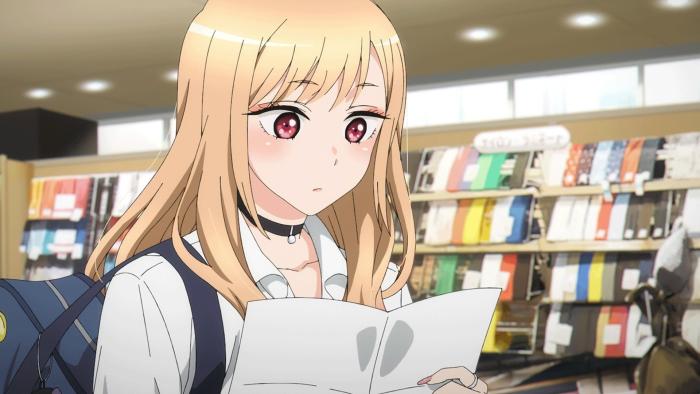
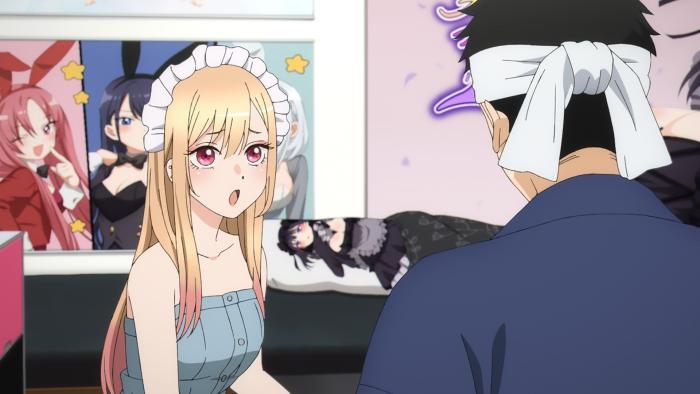
What's the Story?
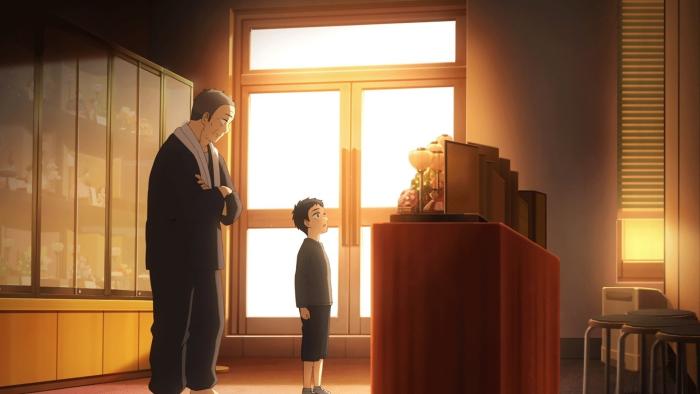
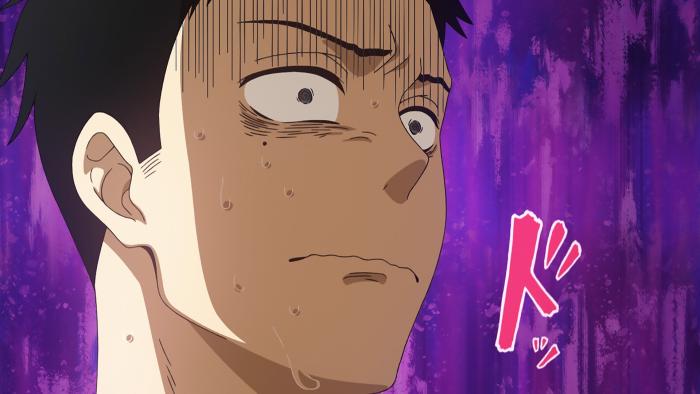
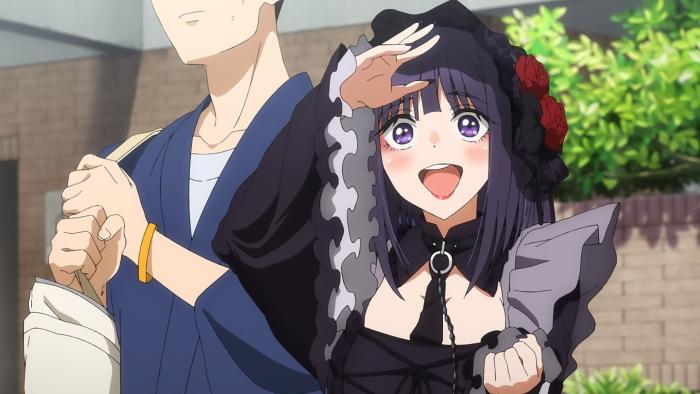
MY DRESS-UP DARLING is about high school students Wakana Gojo (voiced by Paul Dateh) and Marin Kitagawa (voiced by Amanda Lee) finding common ground through unique hobbies. Wakana makes traditional Japanese dolls. Marin cosplays as anime and video game characters. When Marin learns about Wakana's skills, she asks for his help with her first costume—and thus their friendship begins!
Is It Any Good?
This playful but sincere teen romantic comedy tries something a little different with anime trends and is actually worth the watch for older viewers. My Dress-Up Darling starts out like most steamy anime with a shy teen boy (who's kind of an outcast) suddenly getting attention from a popular female classmate. The heavy flirting and innuendo make it seem, at first, like just more borderline pornography that treats women like objects of fantasy. Except, the sexy stuff becomes background noise to an actually compelling story about embracing what you love—even if other people think it's weird. Viewers should still be aware of all the sexy content. However, the show gives itself a step up by having some real depth and open-mindedness.
Talk to Your Kids About ...
How is sex portrayed in the fictional shows and games the characters like? How is sex portrayed in My Dress-Up Darling? What does the difference tell you about the different ways media uses sex as a topic?
Why are female characters sexualized in anime so much? Are male characters treated the same way? Does My Dress-Up Darling do anything different from other anime in how it treats female characters?
How do social expectations about gender impact characters in this series? What do characters do that helps their friends feel accepted and encouraged? How does this apply to the real world?
TV Details
- Premiere date : January 9, 2022
- Cast : Paul Dateh , Amanda Lee , Risa Mei
- Networks : Netflix , Crunchyroll
- Genre : Anime
- Topics : School ( High School )
- Character Strengths : Courage , Curiosity
- TV rating :
- Last updated : July 2, 2026
Did we miss something on diversity?
Research shows a connection between kids' healthy self-esteem and positive portrayals in media. That's why we've added a new "Diverse Representations" section to our reviews that will be rolling out on an ongoing basis. You can help us help kids by
Suggest an Update
Common Sense Media's unbiased ratings are created by expert reviewers and aren't influenced by the product's creators or by any of our funders, affiliates, or partners.
See how we rate