







Common Sense Media Review
Underdog action anime has violence, cursing, innuendo.
Parents Need to Know
Why Age 14+?
Any Positive Content?
Where to Watch
Videos and Photos


My Hero Academia
Parent and Kid Reviews
Based on 23 parent reviews
Parents say the show is generally well-received, providing a mix of positive messages about perseverance and teamwork, though it contains elements of fan service and mild swearing, making it more suitable for children aged 12 and up. While some parents express concerns about the sexualization of female characters and inappropriate behavior from certain characters, many still appreciate the inspirational storylines and characters that promote hard work and determination.
- positive messages
- parental concerns
- age recommendation
- fan service
- character development
 Summarized with AI
Based on 68 kid reviews
Kids say that this anime is entertaining and inspirational, providing significant moral lessons, but it does contain some inappropriate elements, especially related to a particular character's sexual behavior and the sexualized portrayal of female characters. While many enjoy the engaging plot and character development, concerns have been raised about the show's violence, mild swearing, and the overall rating, which some believe is exaggerated for its content.
- inspirational themes
- inappropriate elements
- character criticism
- violence and swearing
- rating concerns
Summarized with AI
What's the Story?
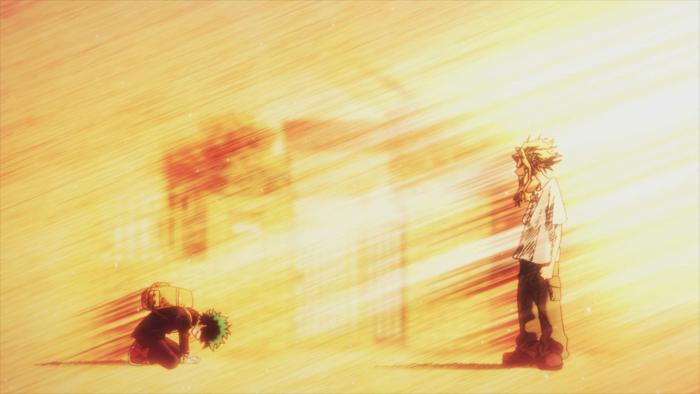
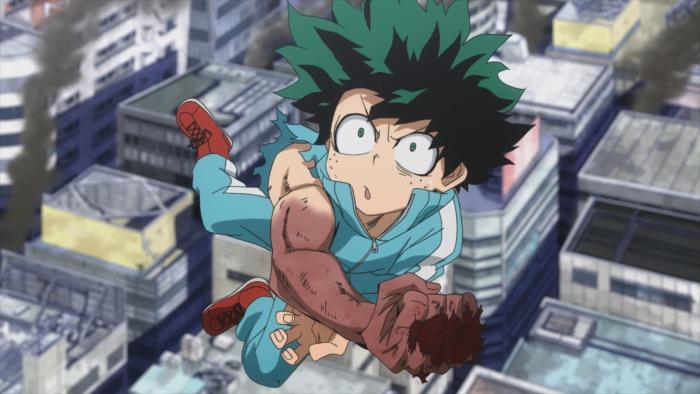
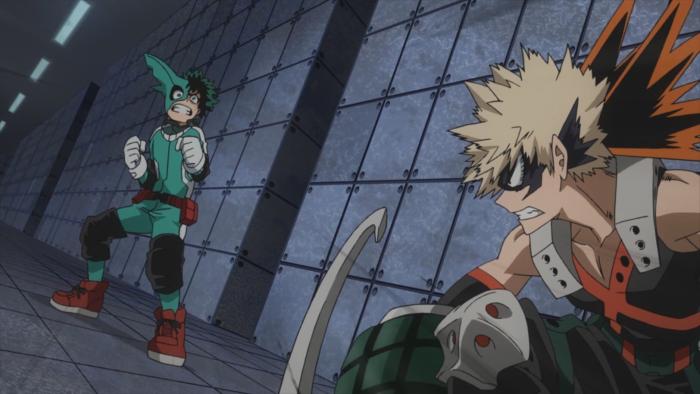
MY HERO ACADEMIA is about Izuku Midoriya (voiced in English by Justin Briner), a boy born with no quirk who dreams of becoming the world's greatest hero. After a chance meeting with his idol, All Might (voiced by Christopher Sabat), Midoriya inherits a powerful quirk and must learn to control his powers. Fortunately, there's a school for that! Midoriya has many challenges ahead, between powerful classmates, scheming villains, and his childhood rival Katsuki Bakugo (voiced by Clifford Chapin).
Is It Any Good?
This powered-up school drama is full of inspiring role models and surprisingly complex life lessons. My Hero Academia has a strong ensemble cast of characters, each with their own attractive qualities. Combat scenes are creative and fast-paced. Despite the fantastical setting, characters deal with realistic problems that any teen is likely to face. It's also refreshing that the adult characters are strong supporters of the kids' growth -- both physically and emotionally.
Talk to Your Kids About ...
Families can talk about violence in media. How do characters throughout the show use violence to achieve their goals? How do their approaches to conflict reflect how we might handle conflict in our own lives?
How are the female characters portrayed in the show? Do they get to be as heroic as the male characters? What positive representations did you notice?
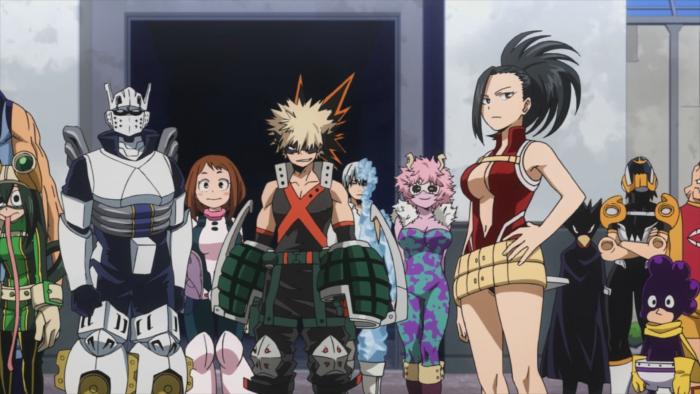
The UA students are all training to be the best heroes. How do they handle the tension between being friends and rivals with their classmates? What do they learn about teamwork, friendship, and themselves?
TV Details
- Premiere date : April 3, 2016
- Cast : Justin Briner , Christopher Sabat , Clifford Chapin , Luci Christian
- Networks : Crunchyroll , Hulu
- Genre : Anime
- Topics : Superheroes , School ( High School )
- Character Strengths : Courage , Perseverance , Teamwork
- TV rating :
- Last updated : October 8, 2026
Did we miss something on diversity?
Research shows a connection between kids' healthy self-esteem and positive portrayals in media. That's why we've added a new "Diverse Representations" section to our reviews that will be rolling out on an ongoing basis. You can help us help kids by
Suggest an Update
Common Sense Media's unbiased ratings are created by expert reviewers and aren't influenced by the product's creators or by any of our funders, affiliates, or partners.
See how we rate